Skip to content

Uzm. Dyt. Berk AysanPrepared the latest update, November 14, 2026

Lokmini is not a healthcare provider and does not offer health services. For your baby's specific needs, talk to your doctor or a dietitian.

  • Grains
  • 6 mo+
  • Low choking risk

Buckwheat for babies: when to start

Buckwheat can be offered once your baby is ready for solids, usually around 6 months. It is a naturally gluten-free seed used like a grain.

  • Zinc
  • Copper
  • Magnesium
  • Manganese
  • Fiber
  • Protein
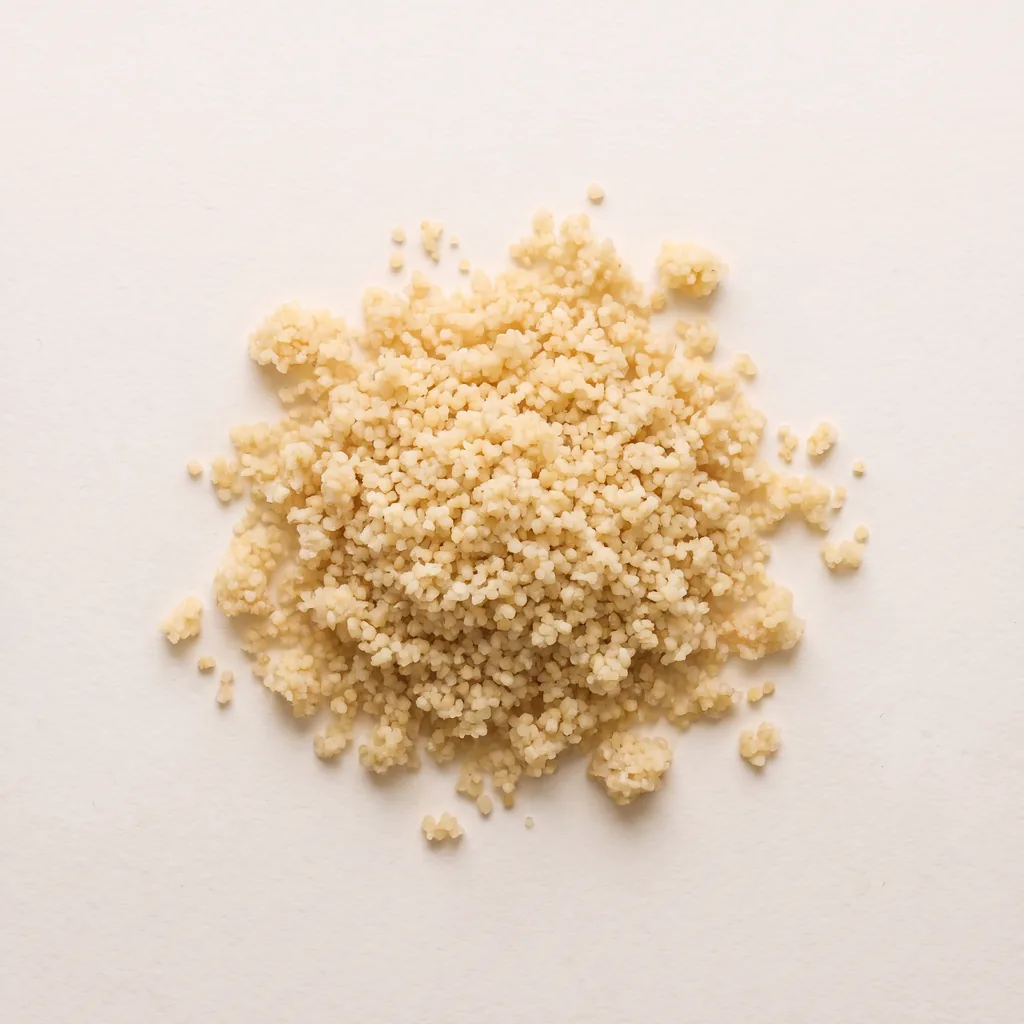
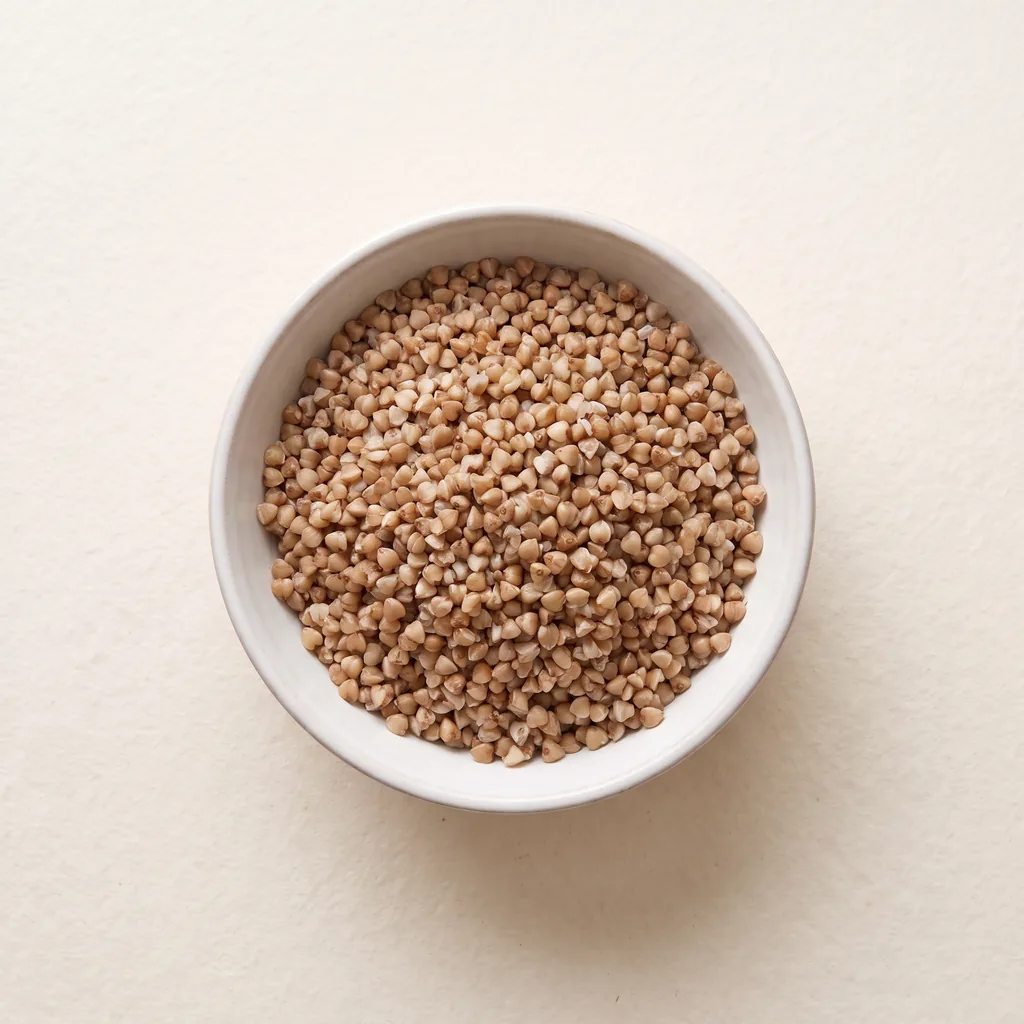
Buckwheat prepared for a baby

About buckwheat

Buckwheat comes from Central Asia and is not in the same plant family as wheat. With its own mild, nutty taste, it is used to make porridge, bread, crepes and noodles.

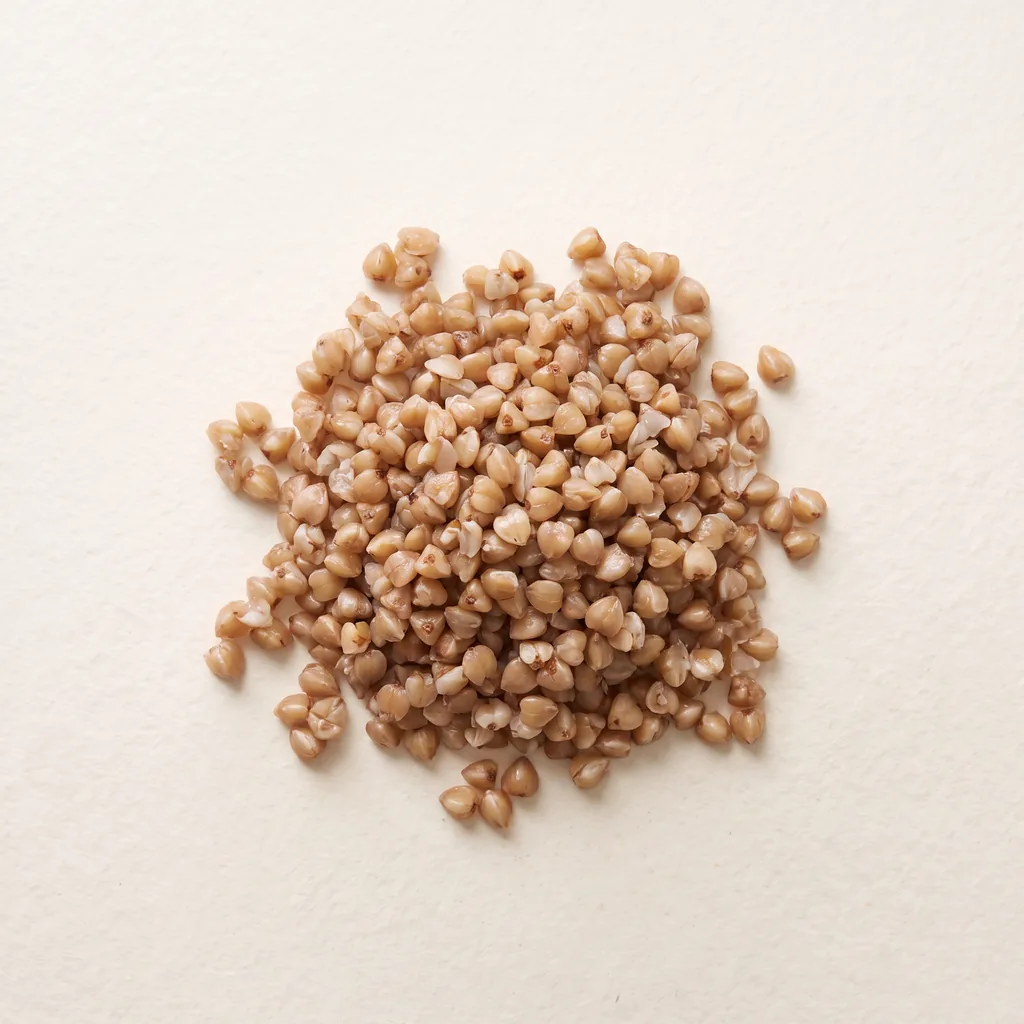
Hulled buckwheat groats and toasted buckwheat (kasha) can be prepared in different ways. Japanese soba noodles are one of the foods that can be made with buckwheat flour.

Nutrition

Buckwheat mainly provides carbohydrates. It also contains plant protein, fiber, magnesium, manganese, copper, zinc and some iron.

Its protein has all the essential amino acids. But buckwheat alone should not be expected to meet your baby's protein or iron needs.

Buckwheat also contains various plant compounds, especially a flavonoid called rutin. Their antioxidant properties have been studied, but they have not been shown to have any specific benefit for babies.

Nutrient amounts can vary with the type of buckwheat and how it is processed and prepared.

Is buckwheat really wheat?

No. Despite its name, buckwheat is not in the same plant family as wheat. Buckwheat is a seed used like a grain, and it is naturally gluten-free. But not every product made with buckwheat is gluten-free. For example, some soba noodles use wheat flour along with buckwheat flour. With celiac disease, check the product's ingredients and any gluten cross-contact.

Also known as: karabugday, karabuğday unu, kasha, soba

  • Gluten-free
  • Vegan

How to prepare it by age

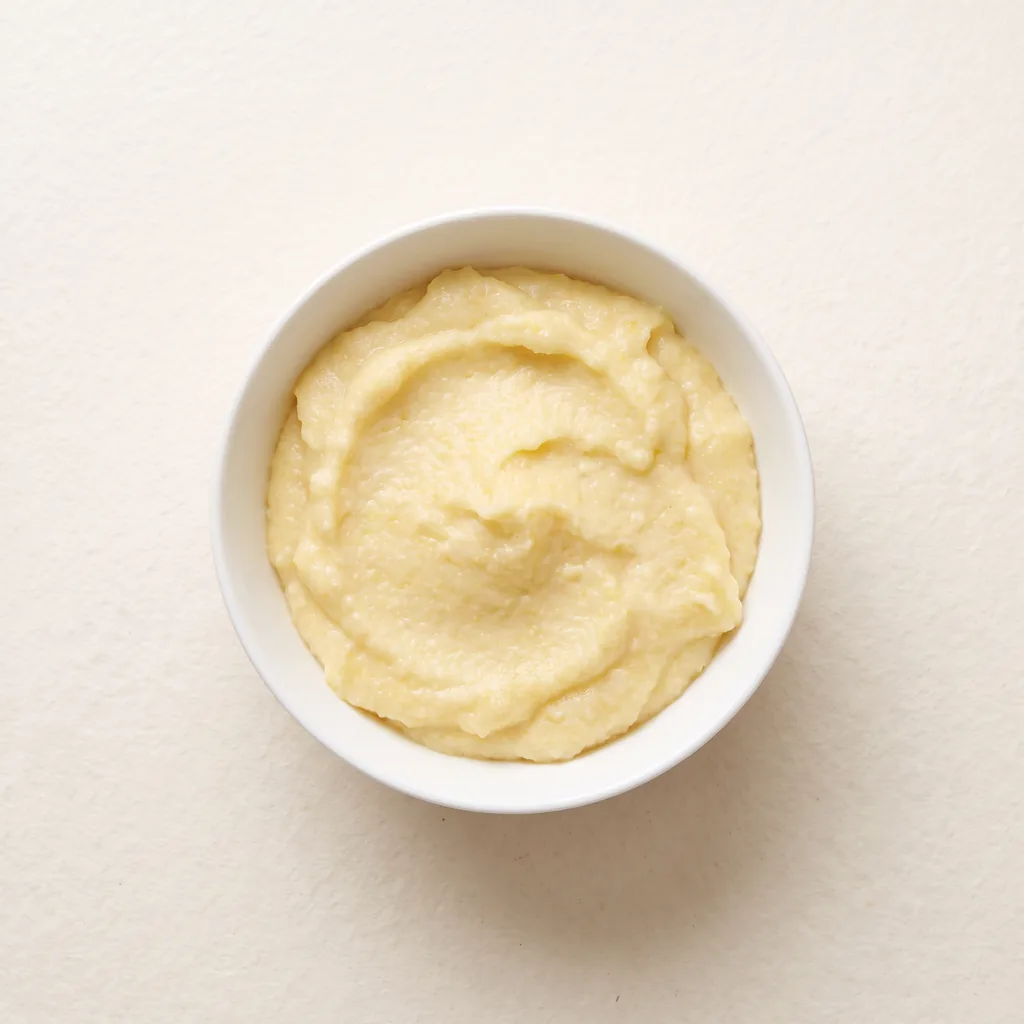
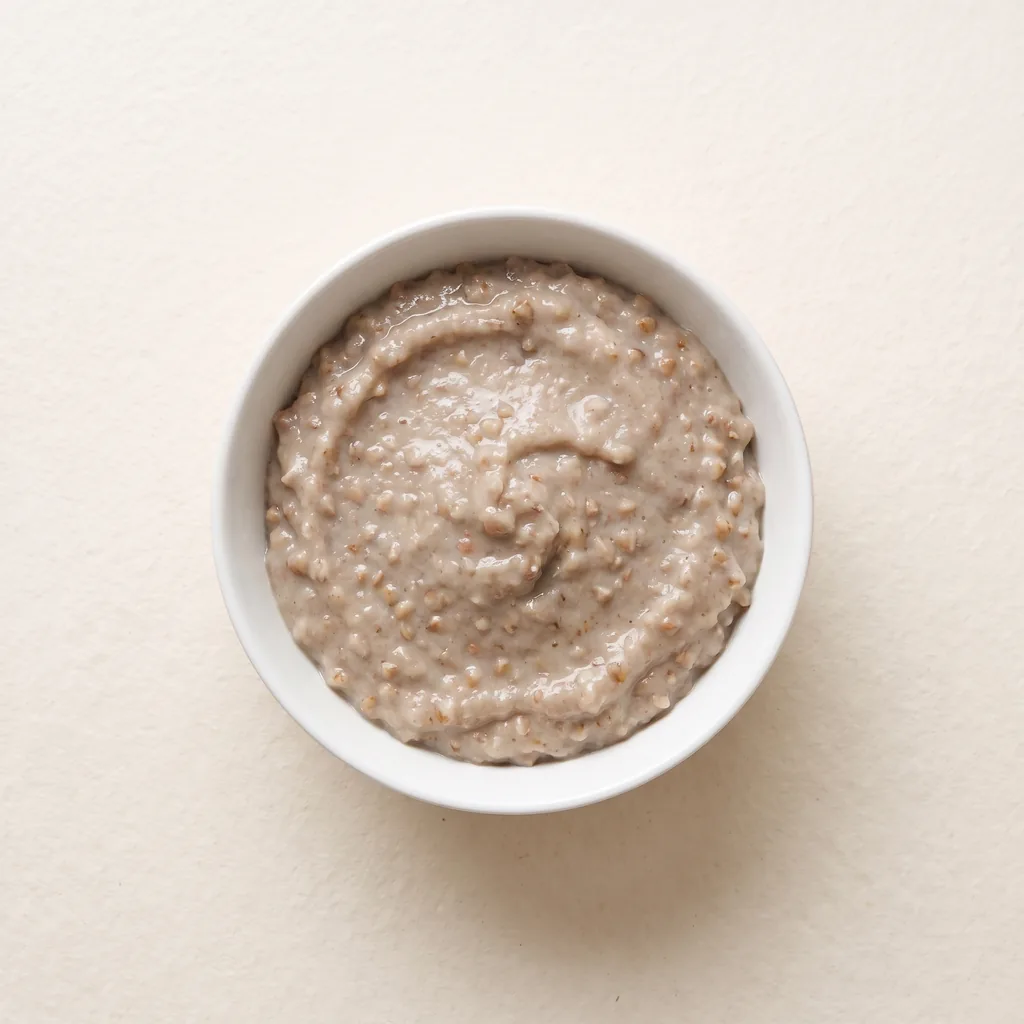
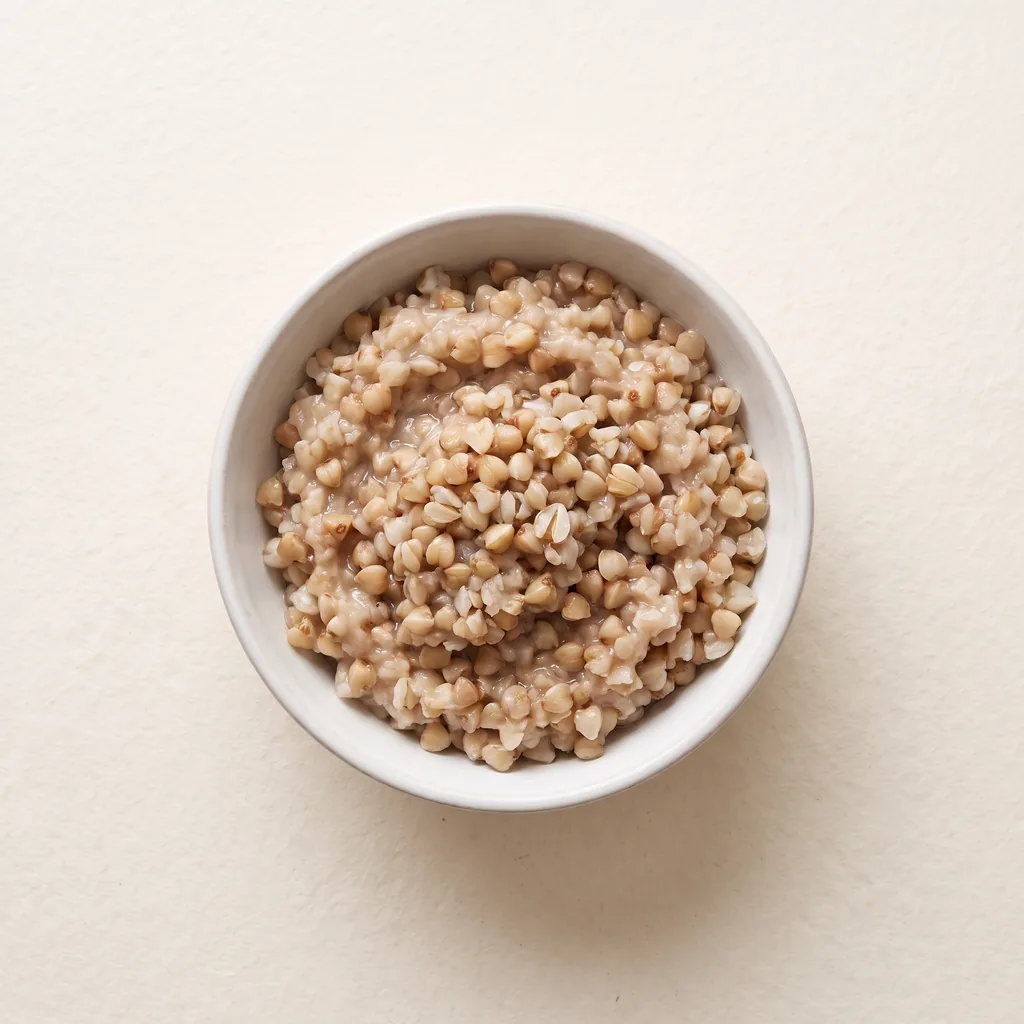
6 monthsMash

Buckwheat prepared for 6 months

Cut: Smooth puree

Rinse the groats and cook until soft, then blend with breast milk or water to a porridge texture. Despite the name it is not wheat and contains no gluten. It can rarely cause an allergy, so offer a small amount on its own the first time.
9 monthsMash

Buckwheat prepared for 9 months

Cut: Fork mashed

Lightly mash soft-cooked buckwheat and mix it with vegetable purée or yogurt. You can also bake soft pancakes with buckwheat flour and cut them into finger-thick strips.

12 monthsCube

Buckwheat prepared for 12 months

Serve cooked buckwheat as whole groats like rice, or use it in buckwheat-flour pancakes and patties. Cook with little salt.

Choking risk

  1. Low
  2. Medium
  3. High

Well-cooked, soft and moist buckwheat carries a low choking risk when served properly.

The small grains can scatter in the mouth and make it harder for your baby to manage the food. At first, mashing the grains or mixing them with soft foods such as yogurt or vegetable purée can help.

Raw or hard buckwheat grains, dry crackers and hardened buckwheat patties are not suitable.

Your baby should sit upright and supported during the meal, eat at their own pace, and never be left unsupervised.

Allergen information

Buckwheat is not one of the common food allergens. But it can rarely cause serious allergic reactions, even anaphylaxis (a severe allergic reaction that can be life-threatening).

Despite the word wheat in its name, it is not in the same plant family as wheat and is naturally gluten-free. So pure buckwheat can be a suitable alternative for people with celiac disease. But check packaged products for the risk of gluten cross-contact.

Start with a small amount the first time and watch how your baby responds.

Hives, swelling of the lips, vomiting, coughing or wheezing can be signs of an allergic reaction. If there are serious signs such as trouble breathing or swelling of the tongue or throat, call emergency services right away.

If your baby has had an allergic reaction to buckwheat before, do not give it again without your doctor's assessment.

Frequently asked questions

What age can babies eat buckwheat?

Buckwheat can be offered once your baby is ready for solids, usually around 6 months. It is a naturally gluten-free seed used like a grain.

How do you prepare buckwheat for babies?

For a 6-month-old: Rinse the groats and cook until soft, then blend with breast milk or water to a porridge texture. Despite the name it is not wheat and contains no gluten. It can rarely cause an allergy, so offer a small amount on its own the first time.
Is buckwheat a choking hazard for babies?

Well-cooked, soft and moist buckwheat carries a low choking risk when served properly.

Is buckwheat gluten-free?

Yes. Pure buckwheat is naturally gluten-free. But packaged products may have added wheat or gluten cross-contact.

Are kasha and buckwheat the same?

Kasha usually means toasted buckwheat groats. Toasting changes the taste and aroma.

Can babies eat soba noodles?

Yes. It can be offered cooked until fully soft and cut to suit your baby's eating skills. Some soba noodles contain wheat, so check the product label.

Can buckwheat cause allergies?

Yes, rarely. Although it is not one of the common allergens, serious allergic reactions have been reported.

Does buckwheat meet my baby's iron needs?

Buckwheat contains iron, but it is not enough on its own. Vary your baby's diet with meat and other iron sources.

Can I make crepes with buckwheat flour?

Yes. Buckwheat crepes that are fully cooked, soft and break apart easily can be offered in a baby-friendly way. Also consider other allergens in the recipe, such as egg and milk.
Share:WhatsApp

Want to add this food to your baby's solid food calendar?

Join Lokmini to learn how this food is served at each age and to keep track of every food your baby tries.

Join Lokmini

Starting Solids

When and how to start solids, and what happens in the first week?

Read the guide

Similar foods

Let's get ready for the first bite together

Lokmini builds a day-by-day plan for your baby's age. Leave your email for new guides and our newsletter.

Start Your Journey