Skip to content
  • Herbs and spices
  • 6 mo+
  • Low choking risk

Parsley for babies: when to start

You can introduce parsley once your baby is ready for solids, usually around 6 months.

  • Fiber
  • Calcium
  • Folate
  • Potassium
  • Zinc
  • Vitamin A
Parsley prepared for a baby

About parsley

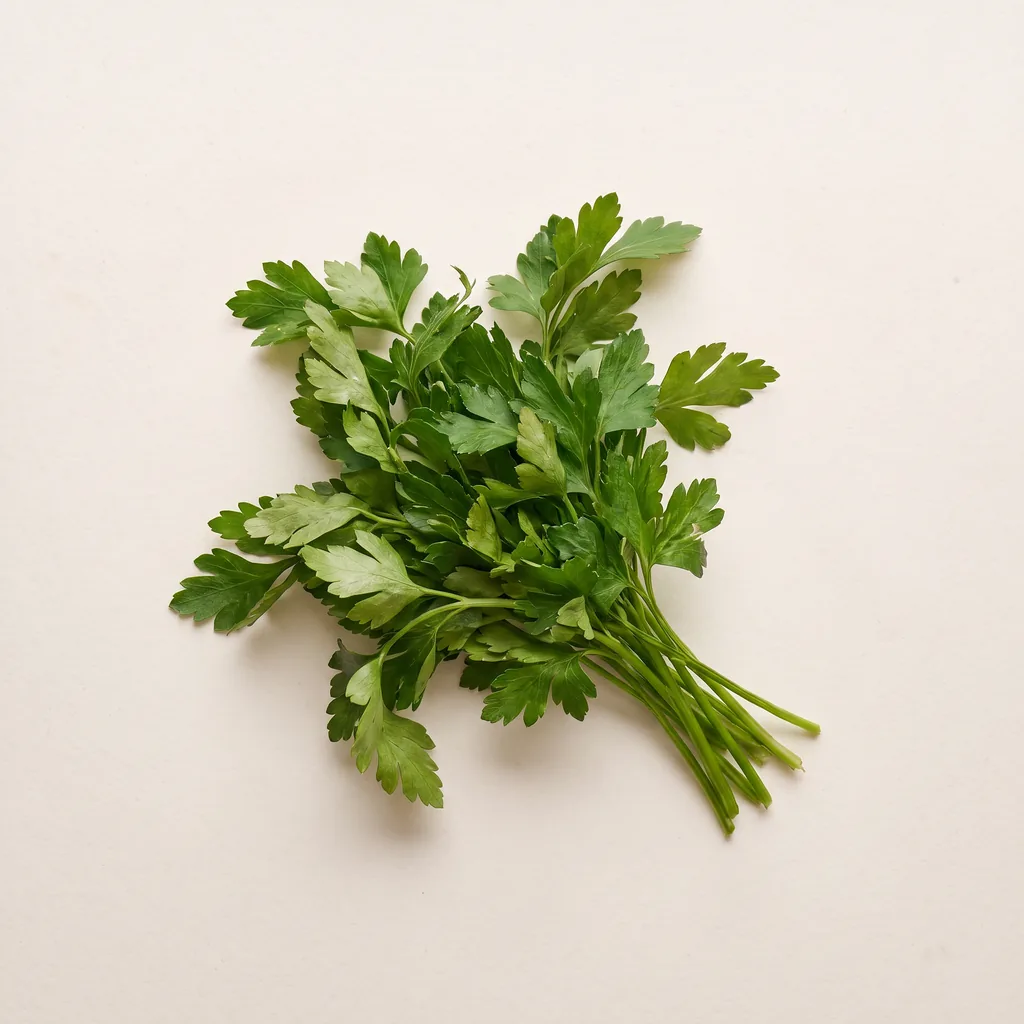
Parsley is native to the Mediterranean region. People can eat all parts of the plant. The raw leaves serve as a garnish, the seeds as a spice, and the root resembles a parsnip. Curly and flat-leaf types are interchangeable, though flat-leaf has a stronger taste.

Parsley is not eaten in large amounts, but it still brings fiber, folate, calcium, potassium, zinc and the vitamins A, C and K. It also contains plant compounds such as apigenin.

Also known as: maydanoz, kıvırcık maydanoz, düz yapraklı maydanoz, kuru maydanoz

  • Gluten-free
  • Vegan

How to prepare it by age

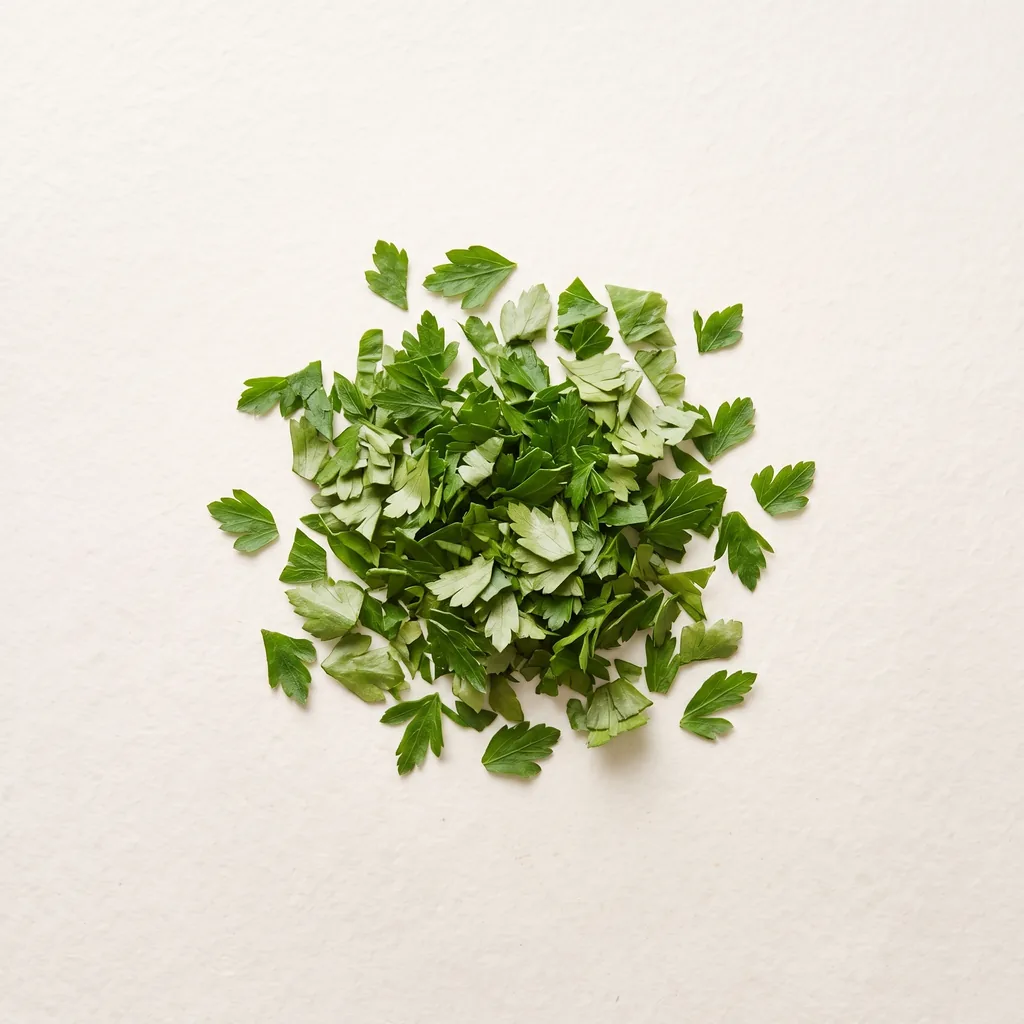
6 monthsMash

Parsley prepared for 6 months

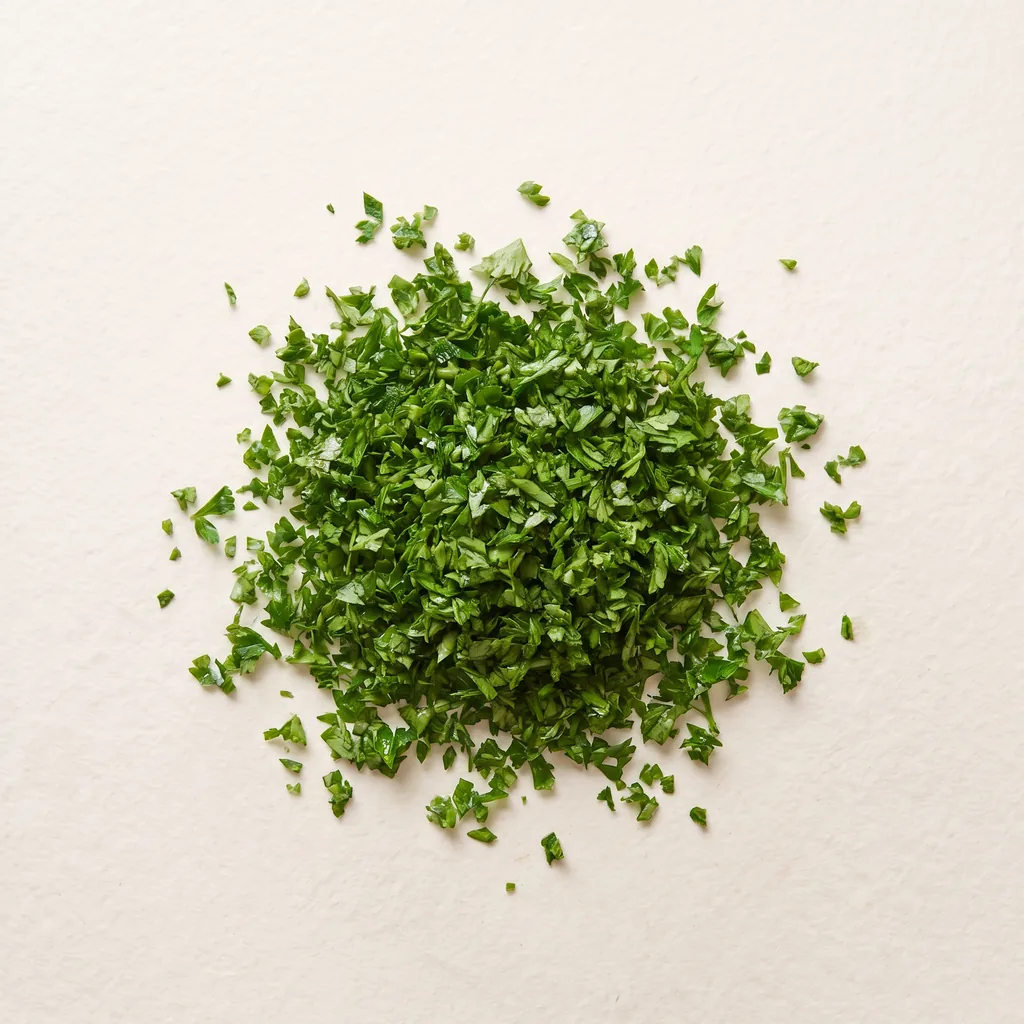
Chop fresh parsley very finely or crumble dried parsley. Stir it into soft, scoopable foods, sauces, large soft meatballs or fritters. You can also serve parsley blended into a sauce such as chimichurri. Make sure your baby has already eaten any allergens in the sauce.
9 monthsCube

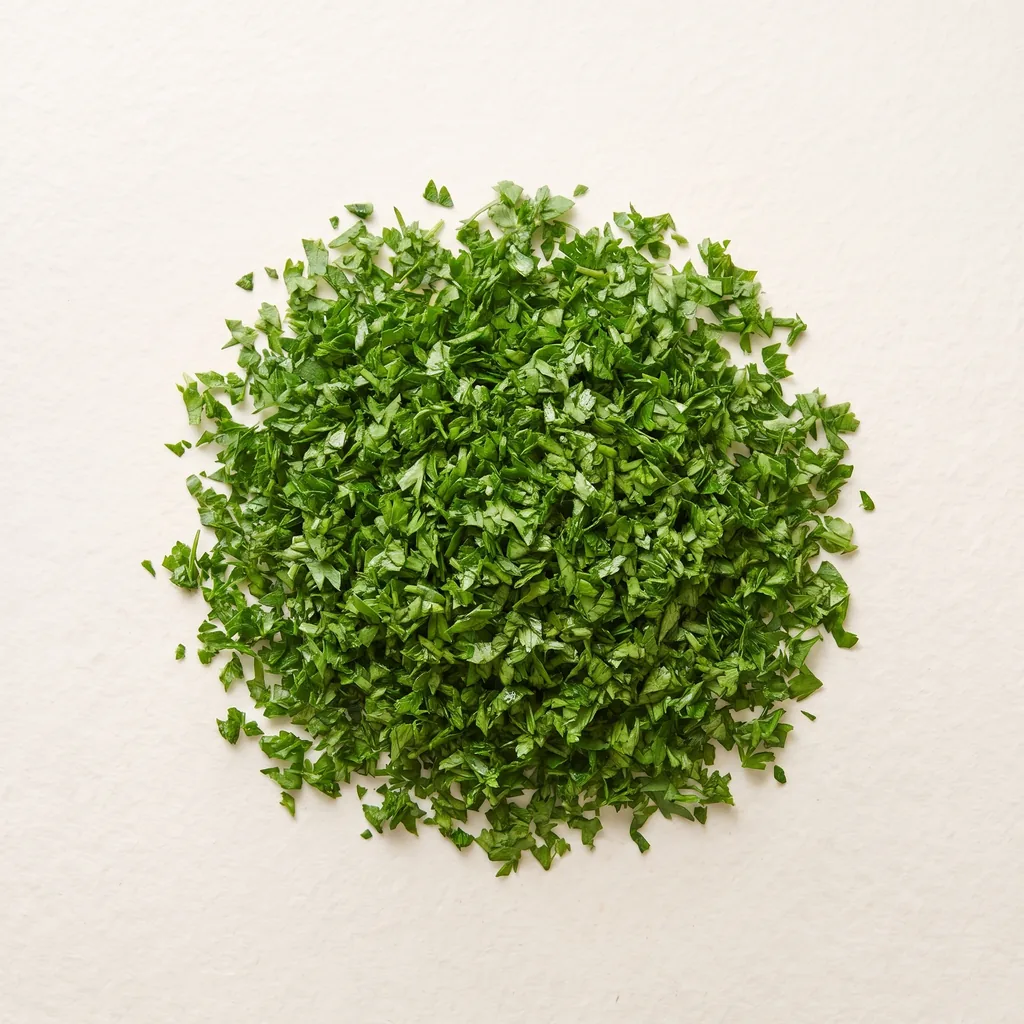
Parsley prepared for 9 months

Cut: Finely chopped

Mince fresh parsley and mix it into dishes, raw or cooked, or put a little out on its own so your child can taste it. Bits of leaf may cling inside the mouth and cause gagging or coughing. If that happens, offer a few sips of water. Expect a lot of spitting while your baby learns the leaf's texture. Around 18 months, once the molars come in and chewing improves, spitting drops.

12 monthsCube

Parsley prepared for 12 months

Keep chopping parsley into dishes, salad dressing and sauces such as chimichurri. Once your child can bite and tear larger pieces, around 24 months, you can try a whole raw leaf or dishes with big parsley pieces.

Choking risk

  1. Low
  2. Medium
  3. High

Finely chopped parsley mixed into moist foods carries a low choking risk when served properly.

Whole leaves or large leaf pieces can stick to the roof of your baby's mouth and cause gagging.

Chop the leaves finely, remove tough stems and, in the early days, mix them into foods such as yogurt, purees or soup.

If your baby pushes the parsley out, you can prepare it in smaller pieces and offer it again at another meal.

Your baby should sit upright for the whole meal and stay under your constant watch.

Allergen information

Parsley is not among the common, priority food allergens. Even so, it can rarely cause allergic reactions.

Parsley is in the same family (Apiaceae) as carrot, celery, cilantro and dill.

Cross-allergic reactions with parsley can happen, especially in people sensitive to certain pollens. But not everyone with a pollen allergy will also be allergic to parsley.

Contact dermatitis and, rarely, serious allergic reactions linked to parsley have been reported.

Sun-related skin reaction

Some furocoumarins in parsley can cause phytophotodermatitis on skin that has touched the plant juice and is then exposed to sunlight.

This is not a classic food allergy. Washing the skin is important, especially after contact with a lot of plant juice.

First try

You can add a little parsley to a food your baby has already tolerated.

Watch for possible reactions. If no problems come up, you can keep using it in food.

If widespread hives, swelling of the lips or tongue, wheezing or trouble breathing develop after eating, stop giving it. If you see signs of a serious reaction, call emergency services right away.

Parsley Can Cause a Sun-Related Skin Reaction

Some natural compounds in parsley juice can cause phytophotodermatitis when skin that touched the juice is exposed to sunlight. It shows up as redness and sometimes blisters. This reaction is not a food allergy. Wash your hands after preparing fresh parsley. If plant juice gets on your baby's skin, clean the area.

Frequently asked questions

How do you prepare parsley for babies?

For a 6-month-old: Chop fresh parsley very finely or crumble dried parsley. Stir it into soft, scoopable foods, sauces, large soft meatballs or fritters. You can also serve parsley blended into a sauce such as chimichurri. Make sure your baby has already eaten any allergens in the sauce.
Is parsley a choking hazard for babies?

Finely chopped parsley mixed into moist foods carries a low choking risk when served properly.

When can babies eat parsley?

Once babies are ready for solids, usually around 6 months, you can add a small amount to their food. You can offer the leaves finely chopped or mixed into cooked dishes.

Can babies have raw parsley?

Yes. Well-washed, finely chopped raw parsley can be added to food in a way that suits your baby's chewing skills. In the early days, serving it cooked can soften the texture.

My baby spits out parsley. Is that normal?

Yes. While babies get used to the texture of leafy foods, they may push food out of their mouths. You can chop parsley more finely and offer it again in different dishes.

Can parsley cause allergies?

It can rarely cause allergic reactions. Cross-reactions can happen, especially in people sensitive to certain pollens or related plants. But this does not apply to all children.

Prepared by the Lokmini team | Last updated November 19, 2026

Share:WhatsApp

Want to add this food to your baby's solid food calendar?

Join Lokmini to learn how this food is served at each age and to keep track of every food your baby tries.

Join Lokmini

Starting Solids

When and how to start solids, and what happens in the first week?

Read the guide

Similar foods

Let's get ready for the first bite together

Lokmini builds a day-by-day plan for your baby's age. Leave your email for new guides and our newsletter.

Start Your Journey