Skip to content

Dietitian's view

Parsnip is suitable as a food, but it is not common in Türkiye.

Lokmini is not a healthcare provider and does not offer health services. For your baby's specific needs, talk to your doctor or a dietitian.

  • Vegetables
  • 6 mo+
  • Medium choking risk

Parsnip for babies: when to start

You can introduce parsnip once your baby is ready for solids, usually around 6 months.

  • Copper
  • Fiber
  • Folate
  • Vitamin C
  • Carbohydrates
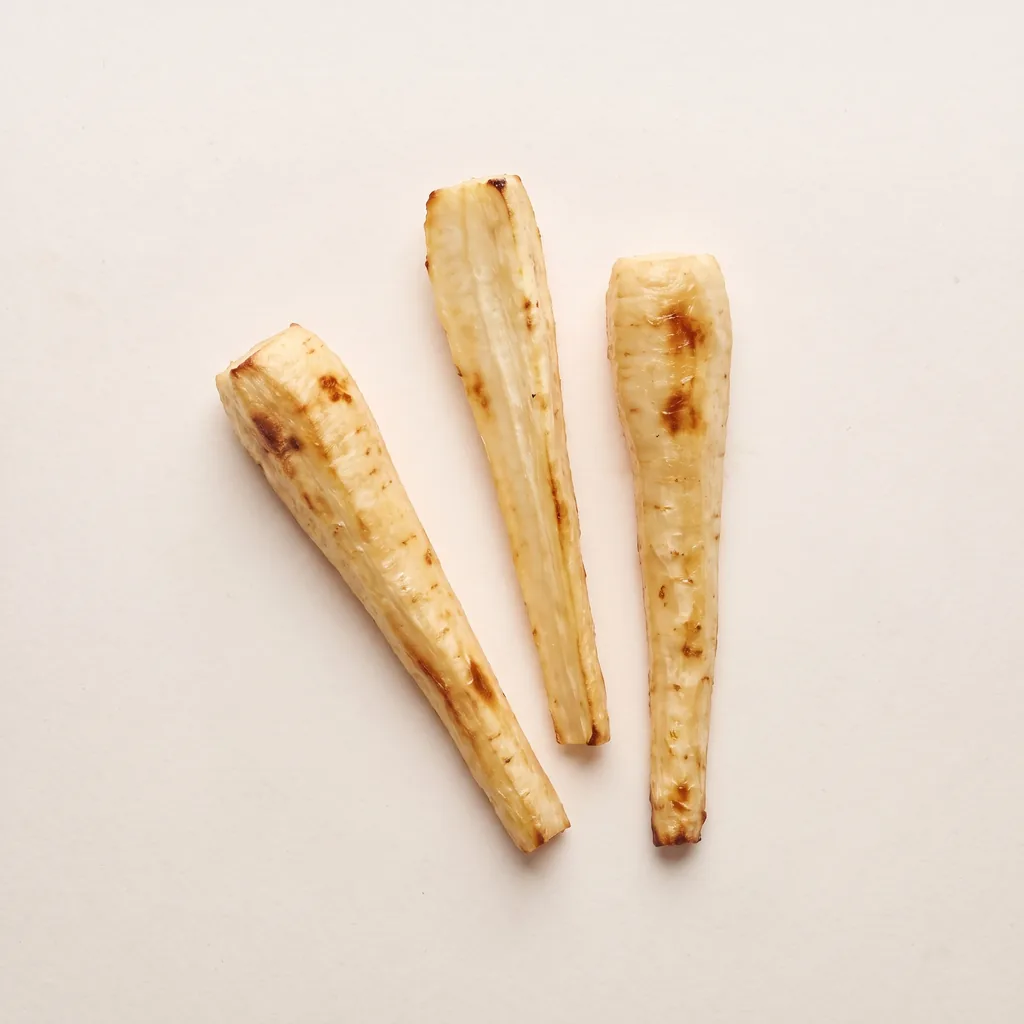
Parsnip prepared for a baby

About parsnip

Parsnip is a white root vegetable that people often mistake for a carrot, though the two differ. It is starchy, sweet and more fibrous. You can steam and mash it, fold it into grain dishes, or even mix it into bread and muffin batter.

Copper, folate, fiber, and vitamin C are abundant in parsnip. It gives healthy carbohydrates for energy.

Also known as: pastinak, parsnip, ak havuç

  • Gluten-free
  • Vegan

How to prepare it by age

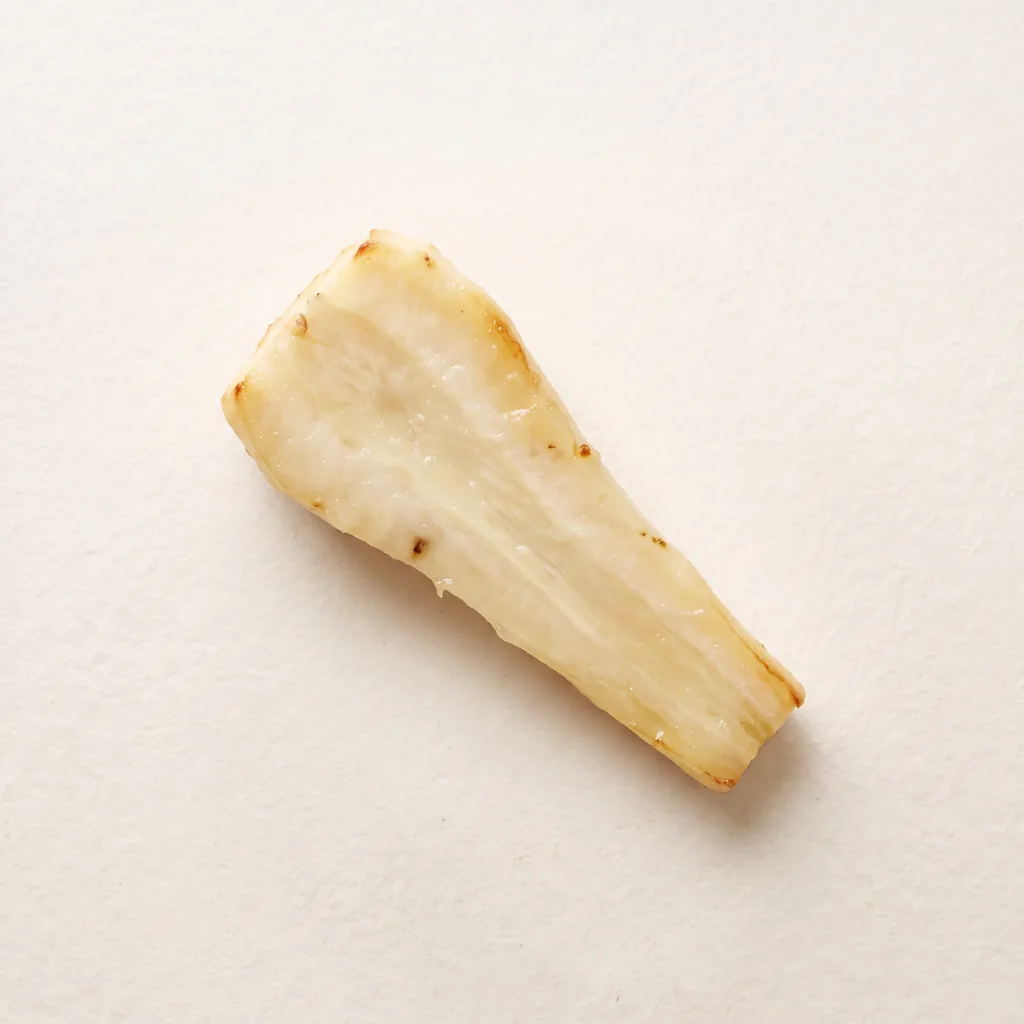
6 monthsStrip or mash
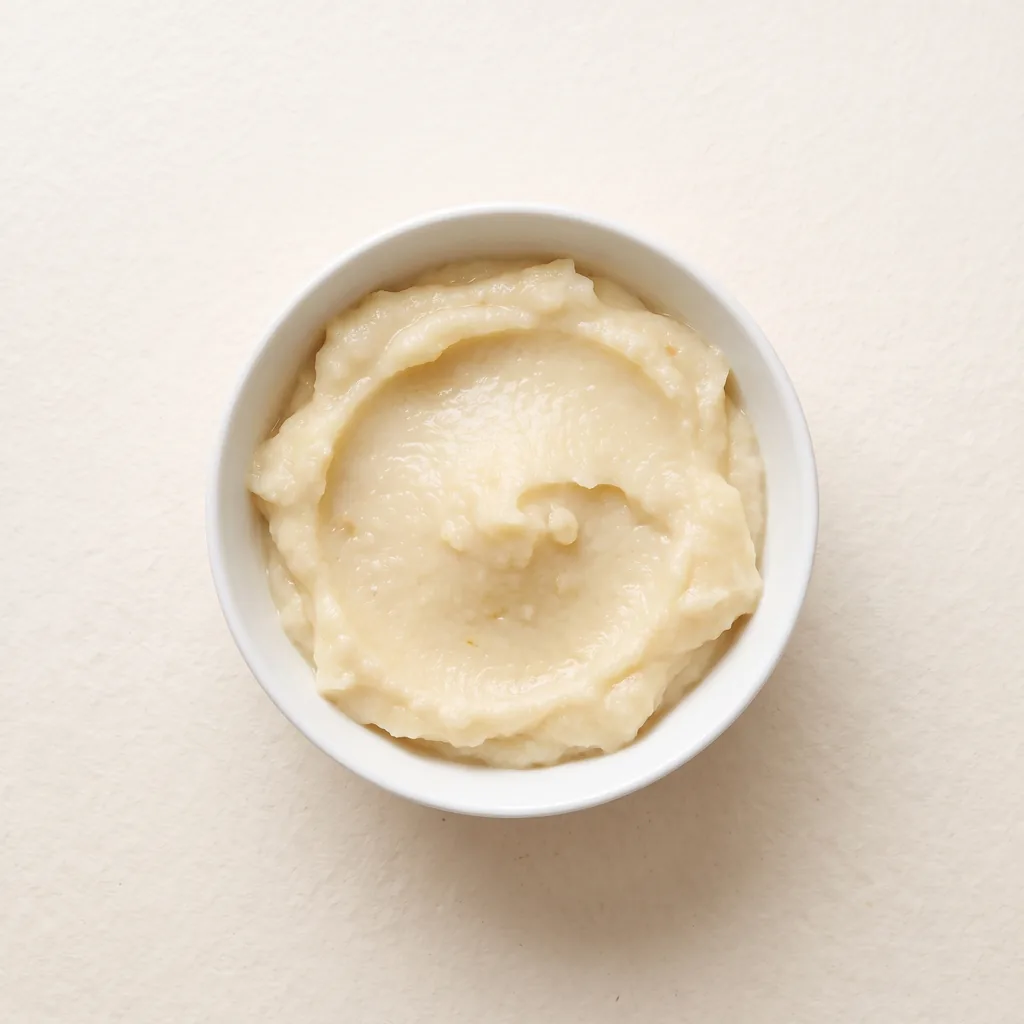
Parsnip prepared for 6 months

Cut: Finger strip

Cook the parsnip until soft and cut large, long pieces lengthwise. Babies this age like holding big pieces. Small pieces can be swallowed whole by accident, so large ones are safer. Do not slice into coins.

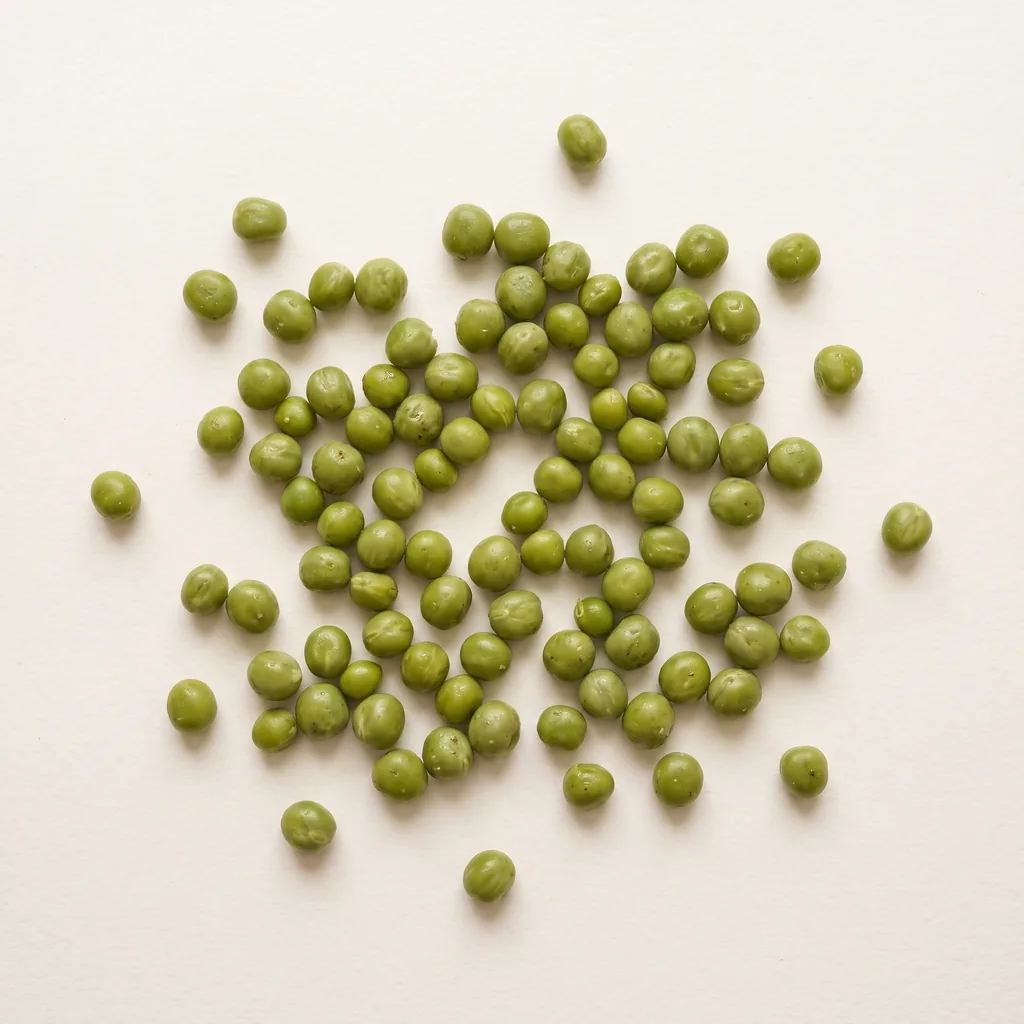
Cut: Fork mashed

Mash the cooked parsnip. Add a bit of olive oil, unsalted butter, or whichever fat you like. Serve the mash alone or fold it into grain dishes.
12 monthsStrip or cube

Parsnip prepared for 12 months

Cut: Finger strip

Keep offering cooked parsnip as matchsticks for finger food. You can use parsnip in any recipe that calls for a root vegetable. It can stand in for ground meat in savory pies, casseroles or tacos.

Cut: Bite sized piece

Cut cooked parsnip into small pieces for your child to pick up with a fork. You can also fold it into salads or grain dishes. Do not serve raw pieces.

Choking risk

  1. Low
  2. Medium
  3. High

Raw parsnip carries a choking risk. To lower it, cook the parsnip until soft.

Do not slice raw or cooked parsnip into coin shapes. Long sticks are the best shape. Stay close while your baby eats and keep them upright.

Allergen information

Parsnip is not a common allergen. Still, in principle anyone could have an allergy to any food.

Give a small amount on its own the first few times. If there is no reaction, increase the portion slowly.

Frequently asked questions

What age can babies eat parsnip?

You can introduce parsnip once your baby is ready for solids, usually around 6 months.

Is parsnip a common allergen?

Parsnip is not a common allergen. Still, in principle anyone could have an allergy to any food.

How do you prepare parsnip for babies?

For a 6-month-old: Cook the parsnip until soft and cut large, long pieces lengthwise. Babies this age like holding big pieces. Small pieces can be swallowed whole by accident, so large ones are safer. Do not slice into coins.

Is parsnip a choking hazard for babies?

Raw parsnip carries a choking risk. To lower it, cook the parsnip until soft.

Are parsnips healthy for babies?

Yes. They offer folate, vitamin C, fiber, and copper. They are a good vegetable to rotate in regularly.

Can babies eat raw parsnip?

No. Raw parsnip carries a choking risk. Cook it until soft.

Are parsnips and carrots the same?

No. Parsnips are white, starchier, sweeter and more fibrous. They can replace other root vegetables in recipes.

Prepared by the Lokmini team | Last updated November 17, 2026

Share:WhatsApp

Want to add this food to your baby's solid food calendar?

Join Lokmini to learn how this food is served at each age and to keep track of every food your baby tries.

Join Lokmini

Starting Solids

When and how to start solids, and what happens in the first week?

Read the guide

Similar foods

Let's get ready for the first bite together

Lokmini builds a day-by-day plan for your baby's age. Leave your email for new guides and our newsletter.

Start Your Journey