Skip to content
  • Fruits
  • 6 mo+
  • Medium choking risk

Orange for babies: when to start

Oranges can be offered once baby is about 6 months old and ready for solids. Sweet oranges come from a cross between a mandarin and a pomelo. The orange is native to Southeast Asia. Today hundreds of varieties are grown where the climate is warm and humid. The taste ranges from bitter to sweet.

  • Vitamin C
  • Folate
  • Fiber
  • Potassium
  • Vitamin A
  • Vitamin B6
Orange prepared for a baby

About orange

Oranges give carbohydrate, fiber and fluid. Inside are potassium, folate, vitamins A, B6, and C, and antioxidants such as flavonoids. The peel also holds flavonoids.

Acid can redden the skin

Oranges are acidic. They can cause a temporary, harmless redness around the mouth and can worsen diaper rash.

Also known as: kan portakalı, portakal, tatlı portakal

  • Gluten-free
  • Vegan

How to prepare it by age

6 monthsStrip

Orange prepared for 6 months

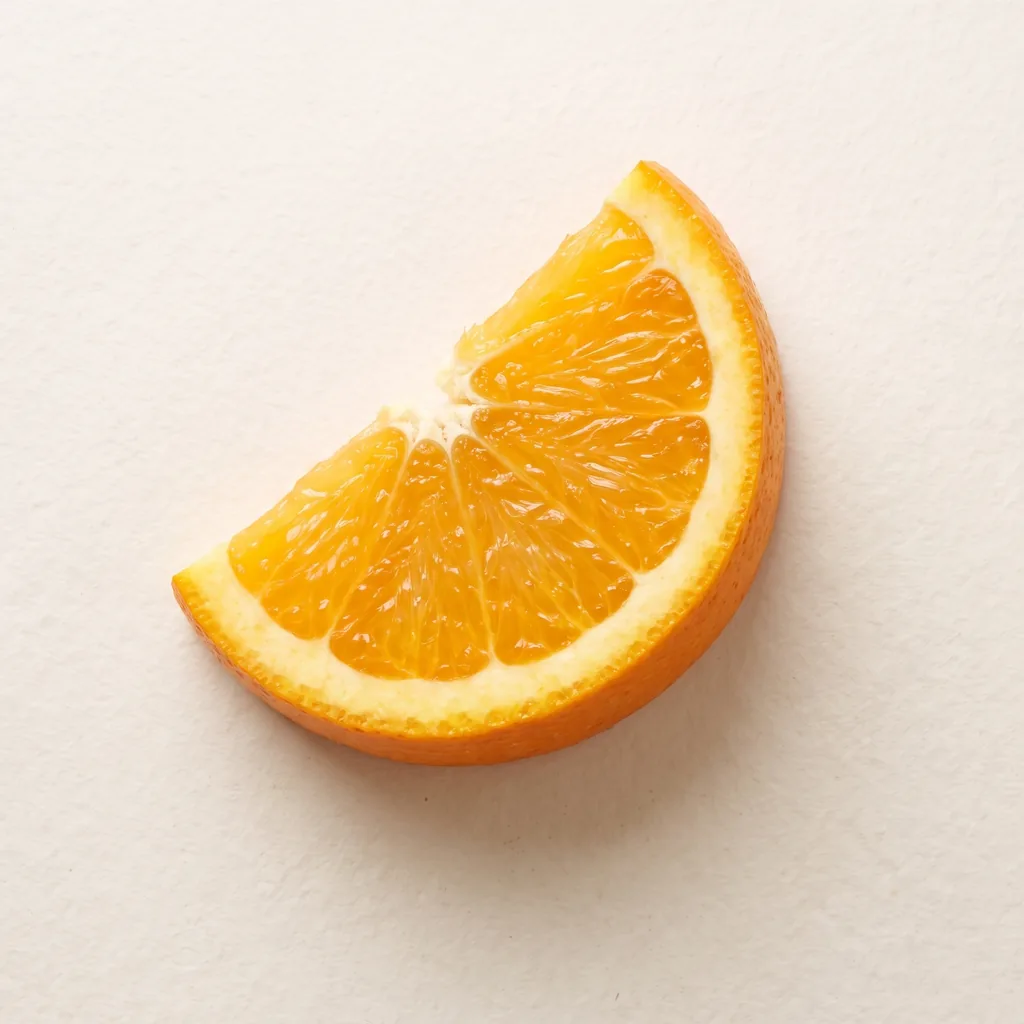
Cut: Halved

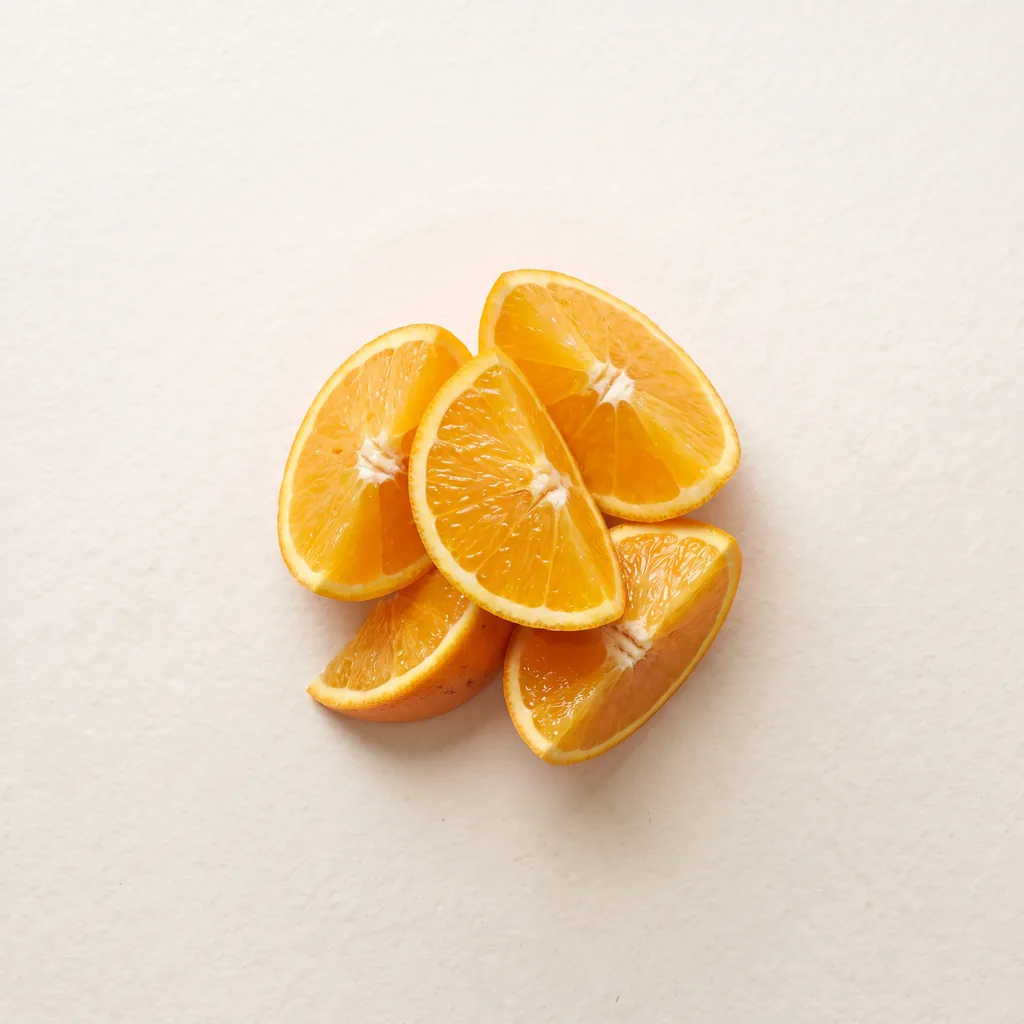
Wash the orange and cut it into thick rings with the peel on, take out the seeds and halve each ring. Baby holds the peel and sucks the fruit. Biting off the tough peel is hard for baby. Choose a variety with thin membranes. The acid can cause redness around the mouth.
9 monthsCube

Orange prepared for 9 months

Cut: Bite sized piece

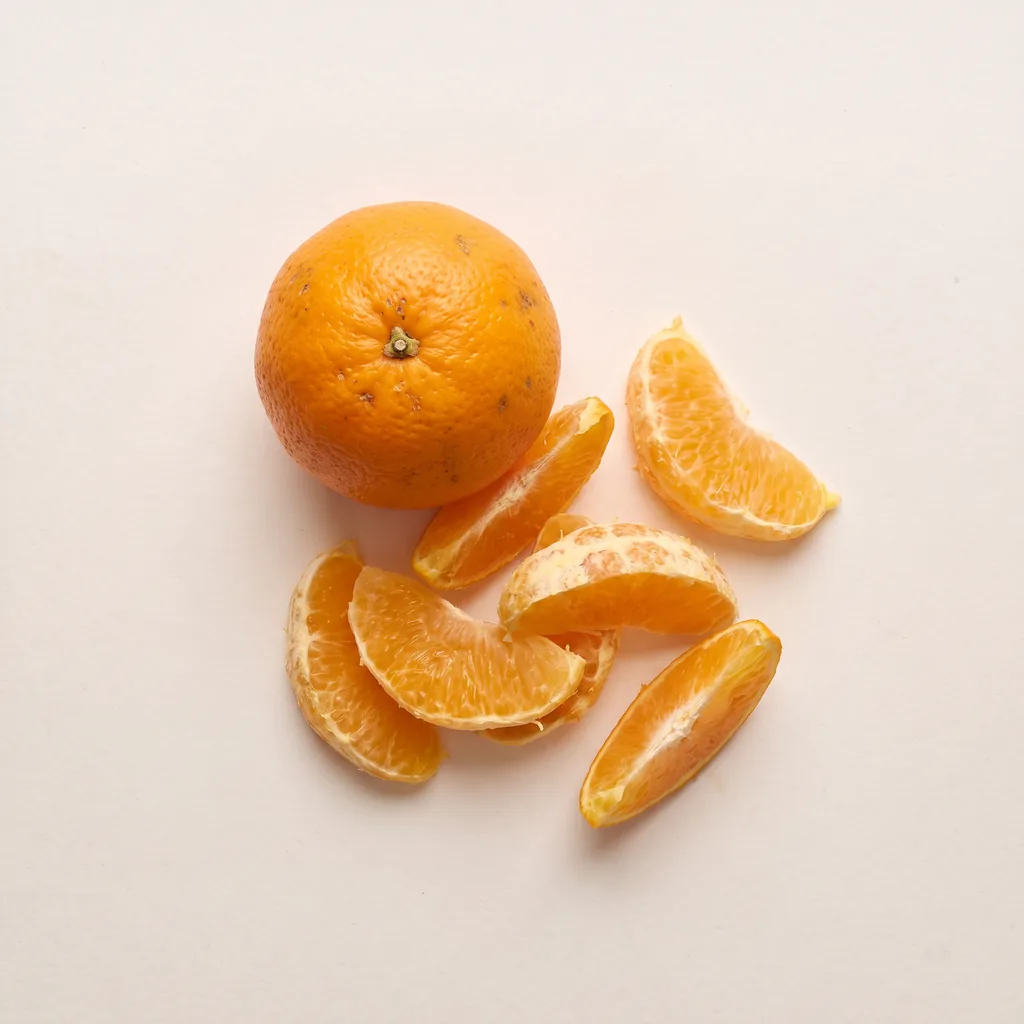
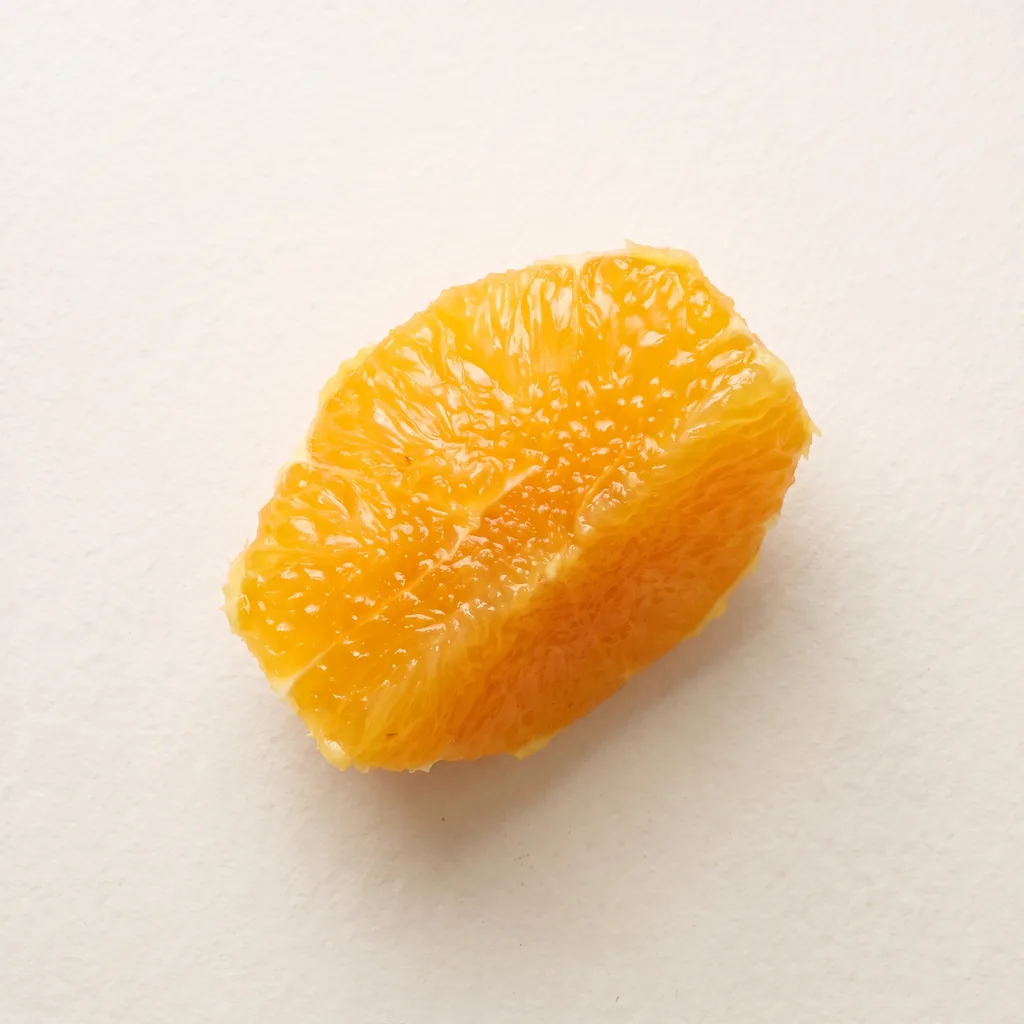
Peel the membrane off the segments and break the flesh into small pieces. A whole segment is round and slippery, so do not serve one without quartering it. Skip orange juice, since the fruit with its pulp is enough.

12 monthsCube

Orange prepared for 12 months

Serve segments with or without the membrane, halved or quartered. Keep preferring whole fruit to juice.

Choking risk

  1. Low
  2. Medium
  3. High

Citrus segments still wrapped in their membrane have small pointed ends, and the texture is slippery and uneven. That raises the choking risk. Serve the orange without membrane (supremed) or in large wedges. Do not give babies small citrus like mandarins and clementines in membrane-covered segments.

Stay within arm's reach of your baby during meals.

Allergen information

Orange does not count among the major food allergens in the United States. Even so, medical papers often describe citrus sensitivity reported by patients themselves. Citrus fruit like oranges may bother people with pollen food syndrome, particularly those allergic to certain tree pollens and grass. The result is a short itch in the mouth, which is usually not dangerous.

In some cases, allergy to orange proteins can lead to serious reactions. The main allergens behind serious reactions are thought to be concentrated in the seed. Though uncommon, chewing the seeds may cause a reaction.

Eating oranges has also been reported to contribute to eczema flares. The acid can leave a harmless redness around the mouth too.

Start with a small amount at the first few meals.

Frequently asked questions

What age can babies eat orange?

Oranges can be offered once baby is about 6 months old and ready for solids. Sweet oranges come from a cross between a mandarin and a pomelo. The orange is native to Southeast Asia. Today hundreds of varieties are grown where the climate is warm and humid. The taste ranges from bitter to sweet.

Is orange a common allergen?

Orange does not count among the major food allergens in the United States. Even so, medical papers often describe citrus sensitivity reported by patients themselves. Citrus fruit like oranges may bother people with pollen food syndrome, particularly those allergic to certain tree pollens and grass. The result is a short itch in the mouth, which is usually not dangerous.

How do you prepare orange for babies?

For a 6-month-old: Wash the orange and cut it into thick rings with the peel on, take out the seeds and halve each ring. Baby holds the peel and sucks the fruit. Biting off the tough peel is hard for baby. Choose a variety with thin membranes. The acid can cause redness around the mouth.
Is orange a choking hazard for babies?

Citrus segments still wrapped in their membrane have small pointed ends, and the texture is slippery and uneven. That raises the choking risk. Serve the orange without membrane (supremed) or in large wedges. Do not give babies small citrus like mandarins and clementines in membrane-covered segments.

Can babies drink orange juice?

After 12 months, small amounts as a drink are fine. Regular juice raises the risk of cavities. The whole fruit with its pulp is enough.

Why does orange redden the skin around the mouth?

Orange is acidic and can cause a temporary, harmless redness around the mouth. It usually fades soon.

Prepared by the Lokmini team | Last updated November 17, 2026

Share:WhatsApp

Want to add this food to your baby's solid food calendar?

Join Lokmini to learn how this food is served at each age and to keep track of every food your baby tries.

Join Lokmini

Starting Solids

When and how to start solids, and what happens in the first week?

Read the guide

Similar foods

Let's get ready for the first bite together

Lokmini builds a day-by-day plan for your baby's age. Leave your email for new guides and our newsletter.

Start Your Journey