Skip to content

Dietitian's view

Give oats well cooked and softened.

Lokmini is not a healthcare provider and does not offer health services. For your baby's specific needs, talk to your doctor or a dietitian.

  • Grains
  • 6 mo+
  • Low choking risk

Oats for babies: when to start

Oats can be offered once baby is about 6 months old and ready for solids. Wild oat grasses most likely originated in Southwest Asia and North Africa. The crop now grows wherever the climate is cool and damp. In South America it is called avena, and in Northern Europe havre.

  • Beta-glucan
  • Zinc
  • Iron
  • Magnesium
  • Folate
  • Selenium
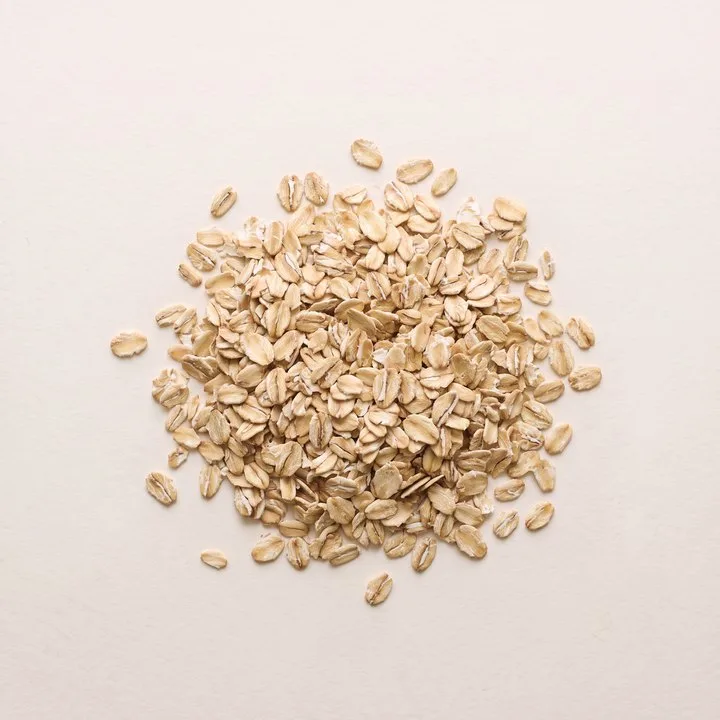
Rolled oats

About oats

Oats supply healthy carbohydrates and a special fiber called beta-glucan. Oats are also a good source of zinc. They also contain iron, magnesium, selenium, folate, and choline. Iron and zinc, and at times vitamin C, are added to many infant oat cereals.

Also known as: oatmeal, yulaf, yulaf ezmesi, yulaf lapası

  • Vegan

How to prepare it by age

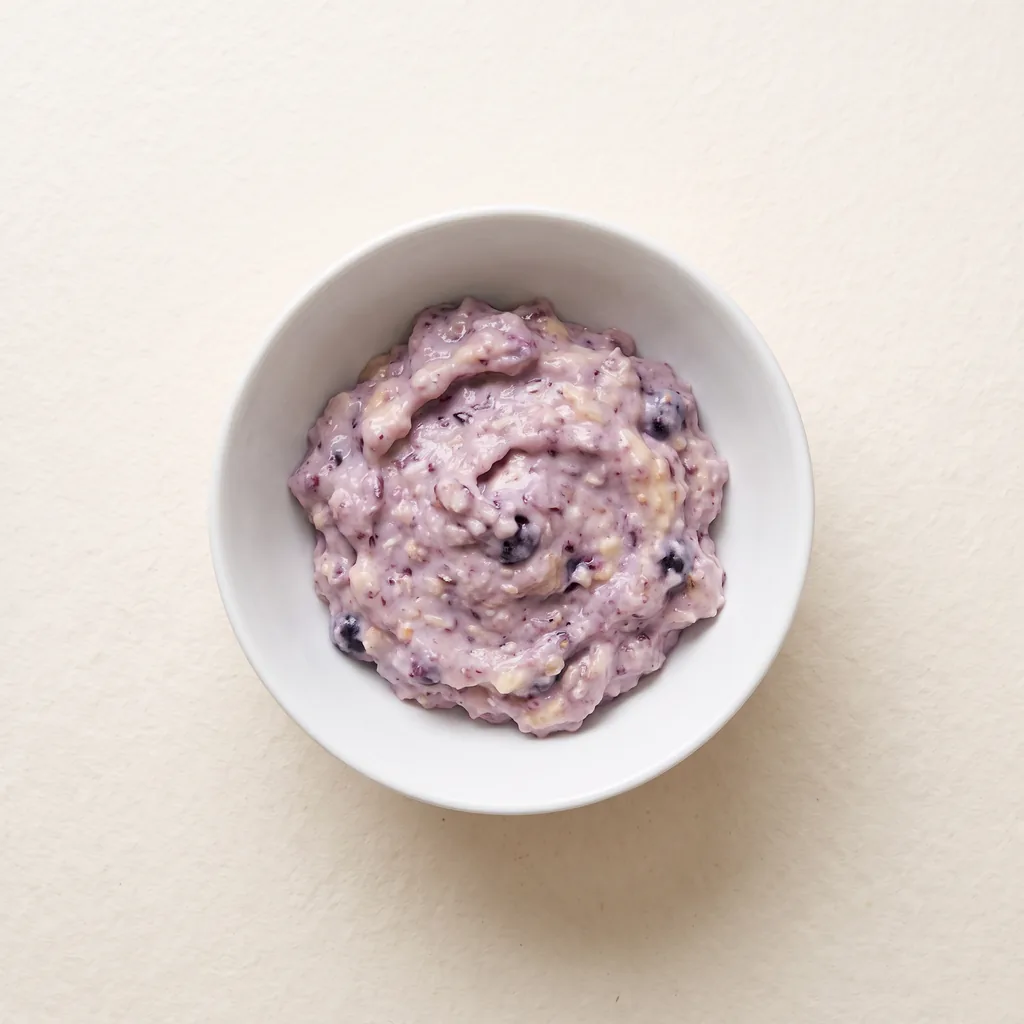
6 monthsMash

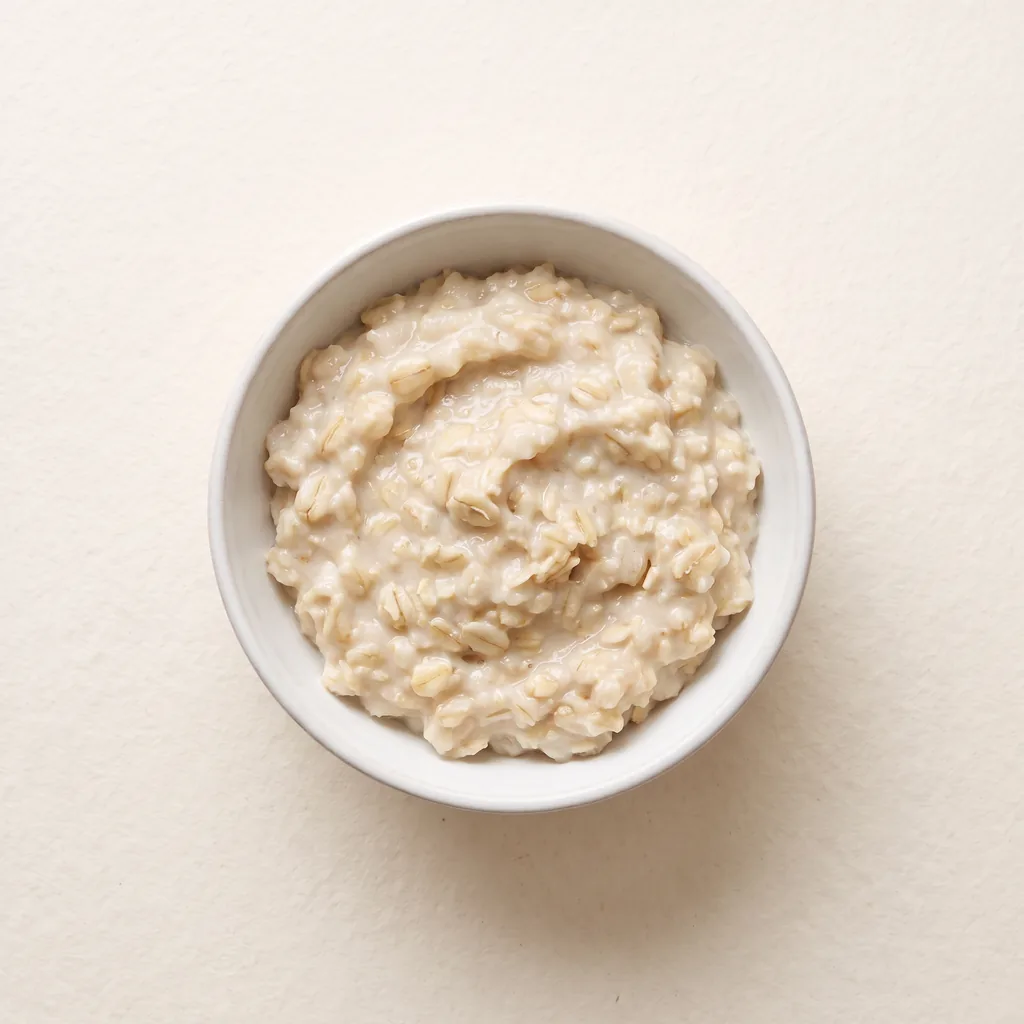
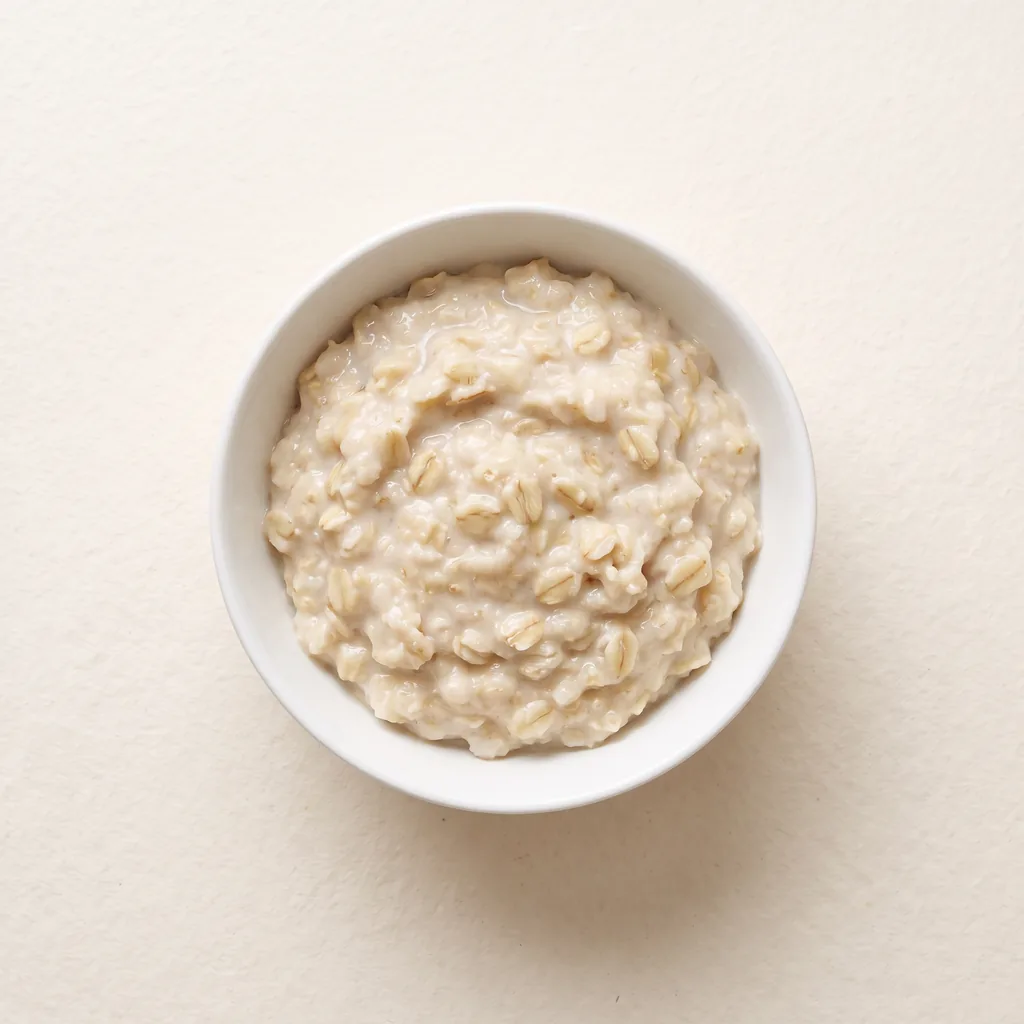
Oats prepared for 6 months

Make the porridge using milk, formula, breast milk, or water. Cooking it uncovered and a little longer gives a texture that clings to the spoon and can be rolled into balls, and that makes it easier for baby to feed themselves. Preload the spoon and hold it out for baby to take. Because of the risk of infant botulism, no honey goes into porridge before 12 months.
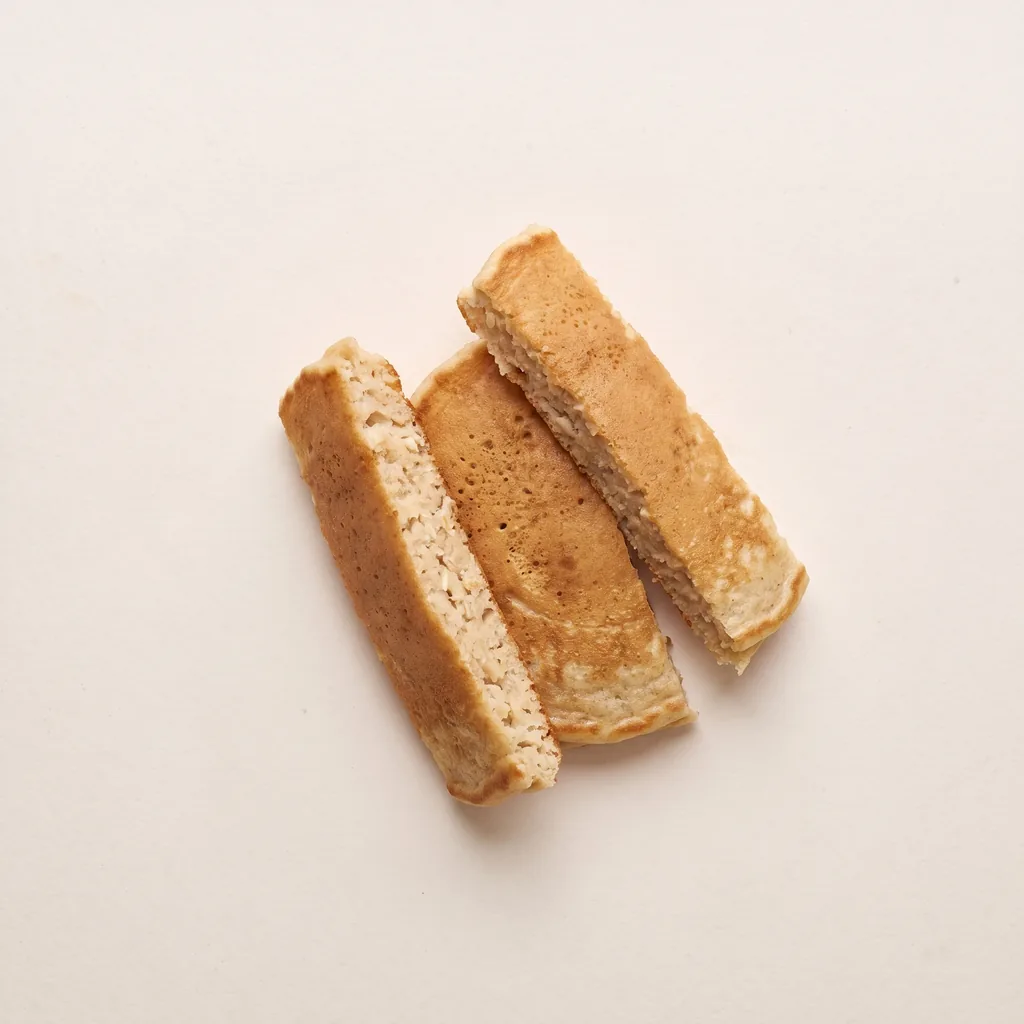
9 monthsMash

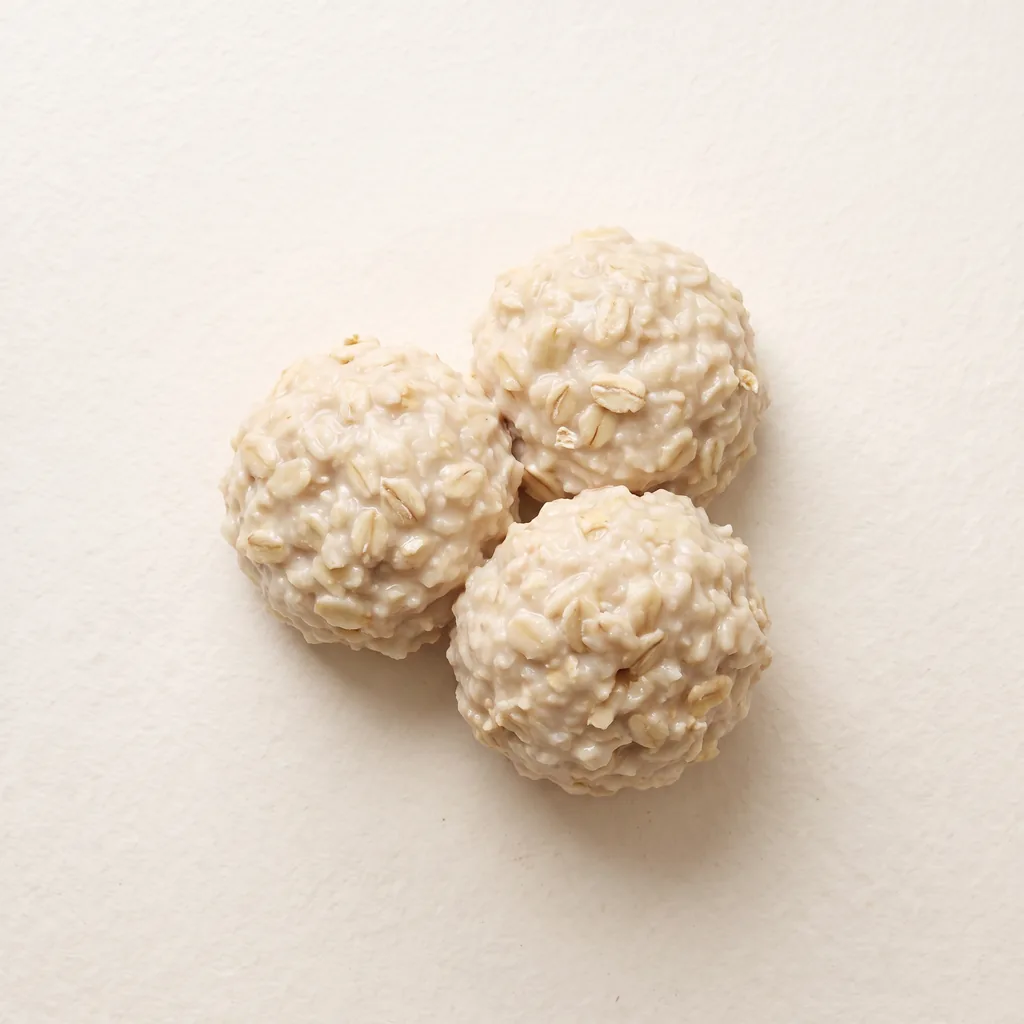
Oats prepared for 9 months

Try oats two ways: as soft balls baby can hold and as a porridge baby can scoop. Oat flour also works in meatballs, cakes and grain balls.

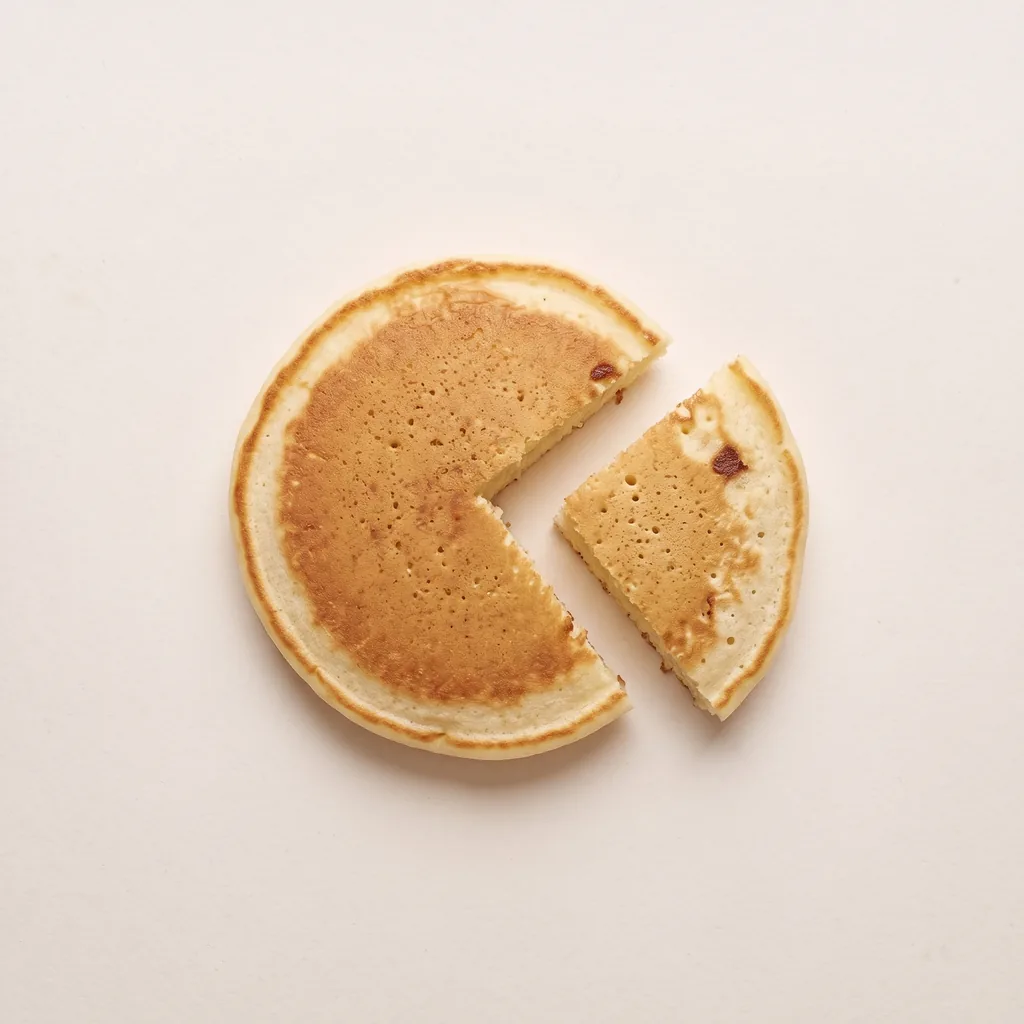
12 monthsMash

Oats prepared for 12 months

Serve porridge so your child can practice spoon use. It is normal at this age if the child keeps scooping with the hands. You can also offer oat bread, cake and similar baked goods.

Choking risk

  1. Low
  2. Medium
  3. High

Well-cooked, soft oatmeal carries a low choking risk. However, hard granola, granola bars and large, dry oat clusters can make chewing and swallowing hard for your baby.

Granola may also contain whole nuts, hard dried fruit and large seeds. So do not give babies hard or chunky granola.

If you use granola, choose one with no honey, ground completely fine and softened well with yogurt or fruit puree.

Your baby should sit upright while eating and stay under constant supervision.

Allergen information

FPIES warning

It is one of the known triggers of FPIES (a delayed-onset food allergy). In this condition, repeated severe vomiting, pallor and lethargy may occur, usually 1-4 hours after the food is eaten. Diarrhea may appear later. These symptoms require urgent medical evaluation.

Oats are not one of the common IgE-mediated food allergens. However, they can rarely cause allergic reactions.

Oats are a known trigger of FPIES, a food allergy with delayed symptoms. With FPIES, repeated severe vomiting, paleness and weakness can appear, usually 1 to 4 hours after eating the food. Diarrhea may come later. These signs need urgent medical attention.

Gluten and celiac disease

Oats do not naturally contain gluten, but cross-contact with wheat, barley and rye can happen during production. For children with celiac disease, choose oats labeled gluten-free. Some people with celiac disease can also react to avenin, the protein found in oats.

Ready-made products with oats may also contain other allergens such as milk, egg, wheat and nuts. Check the label.

When you offer oats for the first time, start with a small amount and watch how your baby reacts.

Frequently asked questions

What age can babies eat oats?

Oats can be offered once baby is about 6 months old and ready for solids. Wild oat grasses most likely originated in Southwest Asia and North Africa. The crop now grows wherever the climate is cool and damp. In South America it is called avena, and in Northern Europe havre.

Is oats a common allergen?

Oats are not one of the common IgE-mediated food allergens. However, they can rarely cause allergic reactions.

How do you prepare oats for babies?

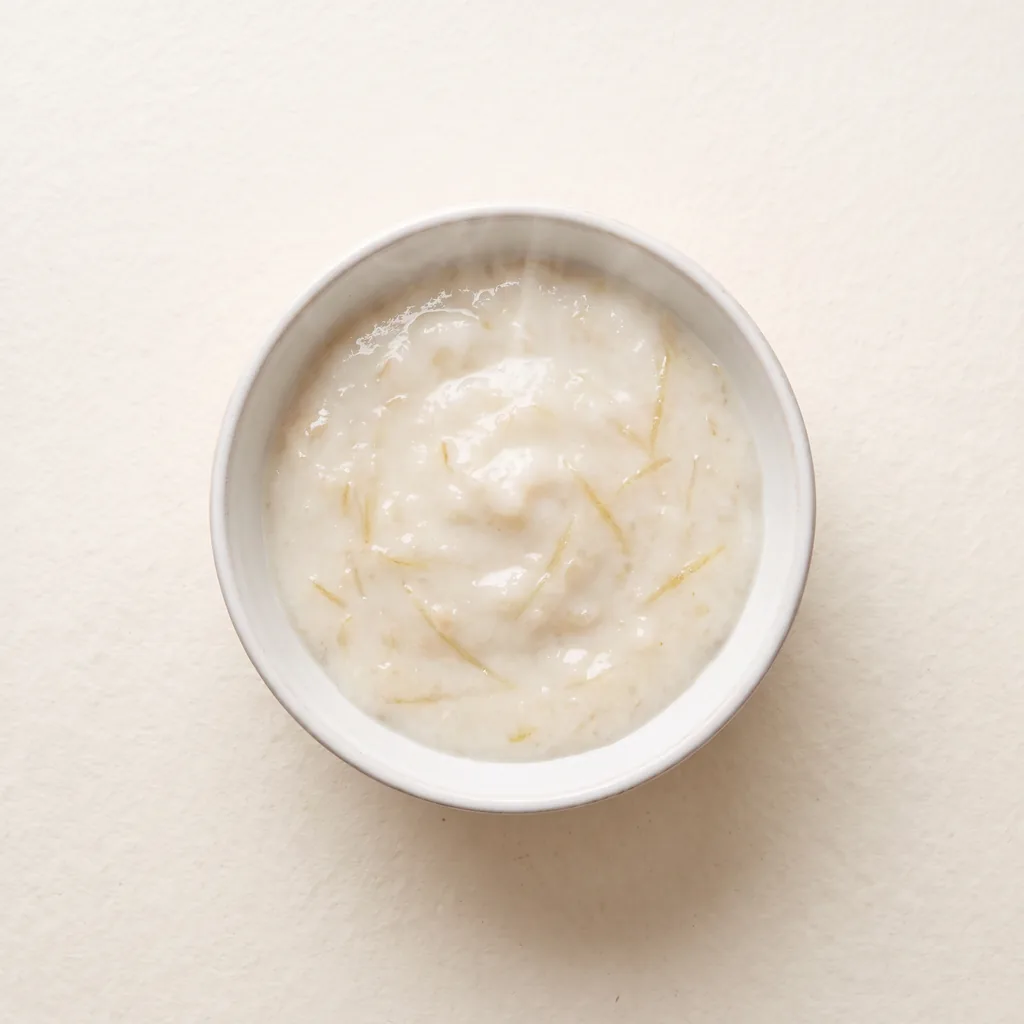
For a 6-month-old: Make the porridge using milk, formula, breast milk, or water. Cooking it uncovered and a little longer gives a texture that clings to the spoon and can be rolled into balls, and that makes it easier for baby to feed themselves. Preload the spoon and hold it out for baby to take. Because of the risk of infant botulism, no honey goes into porridge before 12 months.
Is oats a choking hazard for babies?

Well-cooked, soft oatmeal carries a low choking risk. However, hard granola, granola bars and large, dry oat clusters can make chewing and swallowing hard for your baby.

Are oats gluten free?

Naturally yes, but most products pick up wheat, barley and rye in handling. For celiac disease, pick certified gluten-free oats.

Can babies eat raw oats?

Rolled oats are usually heat treated, but for babies it is better to cook them until soft. Cook steel-cut oats until completely soft.

Is oatmeal better than rice cereal?

Rice products usually hold more arsenic than oats. Multigrain products and a varied diet lower heavy metal exposure.

Can babies have granola?

Hard, chunky granola is a choking risk. Granola with no honey, ground very fine and fully softened with a moist food, can be used in small amounts.

Can I cook oats with milk?

Yes. You can use water, breast milk or infant formula. Cow's milk can also be used in cooking from about 6 months, but it should not be the main milk drink before 12 months. Do not use it if there is a known milk allergy.

Prepared by the Lokmini team | Last updated November 19, 2026

Share:WhatsApp

Want to add this food to your baby's solid food calendar?

Join Lokmini to learn how this food is served at each age and to keep track of every food your baby tries.

Join Lokmini

Starting Solids

When and how to start solids, and what happens in the first week?

Read the guide

Similar foods

Let's get ready for the first bite together

Lokmini builds a day-by-day plan for your baby's age. Leave your email for new guides and our newsletter.

Start Your Journey