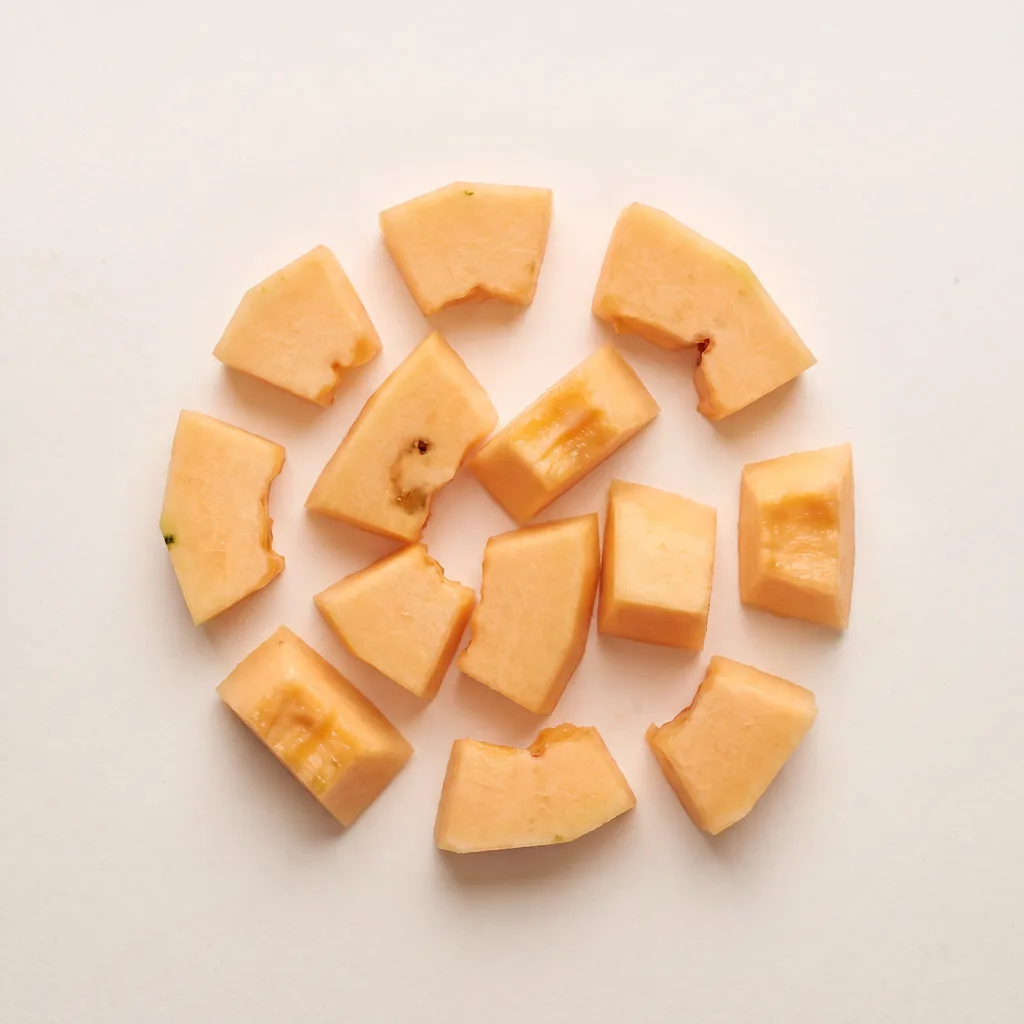
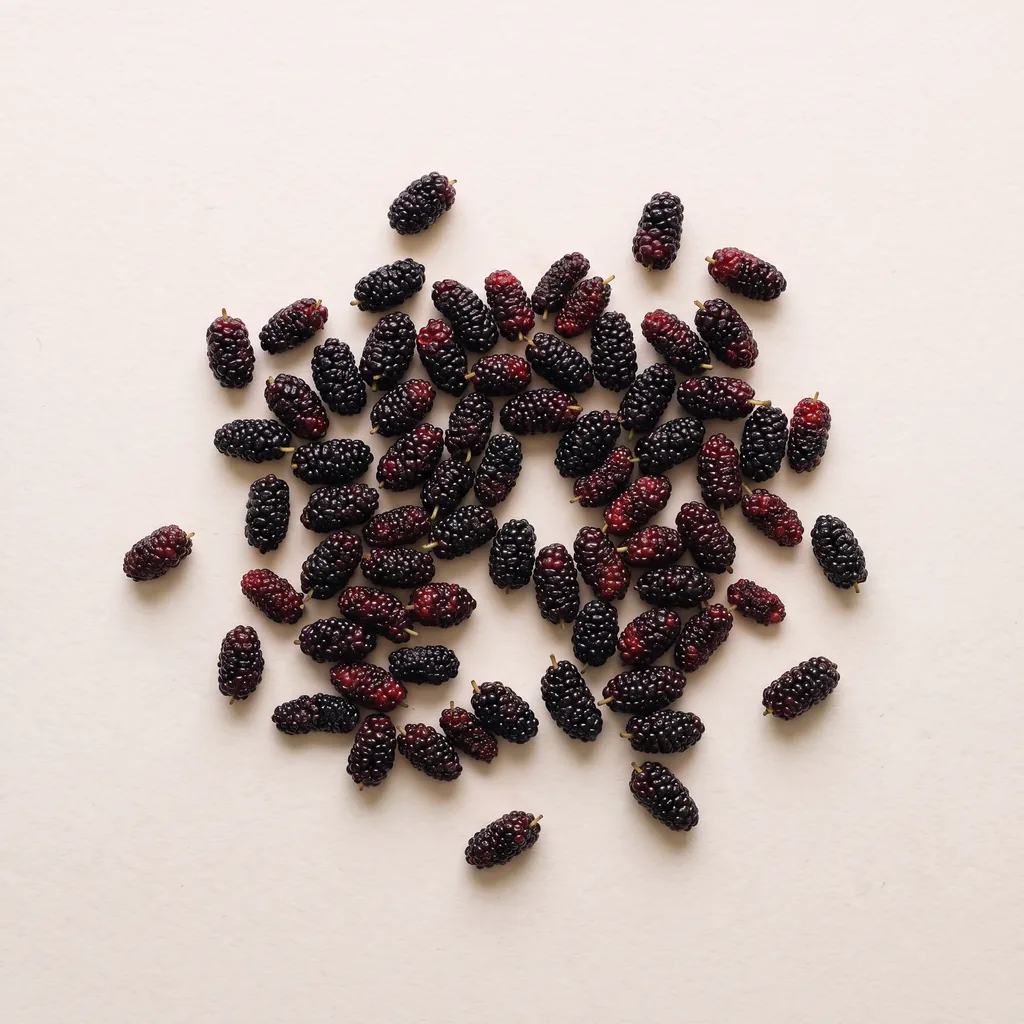
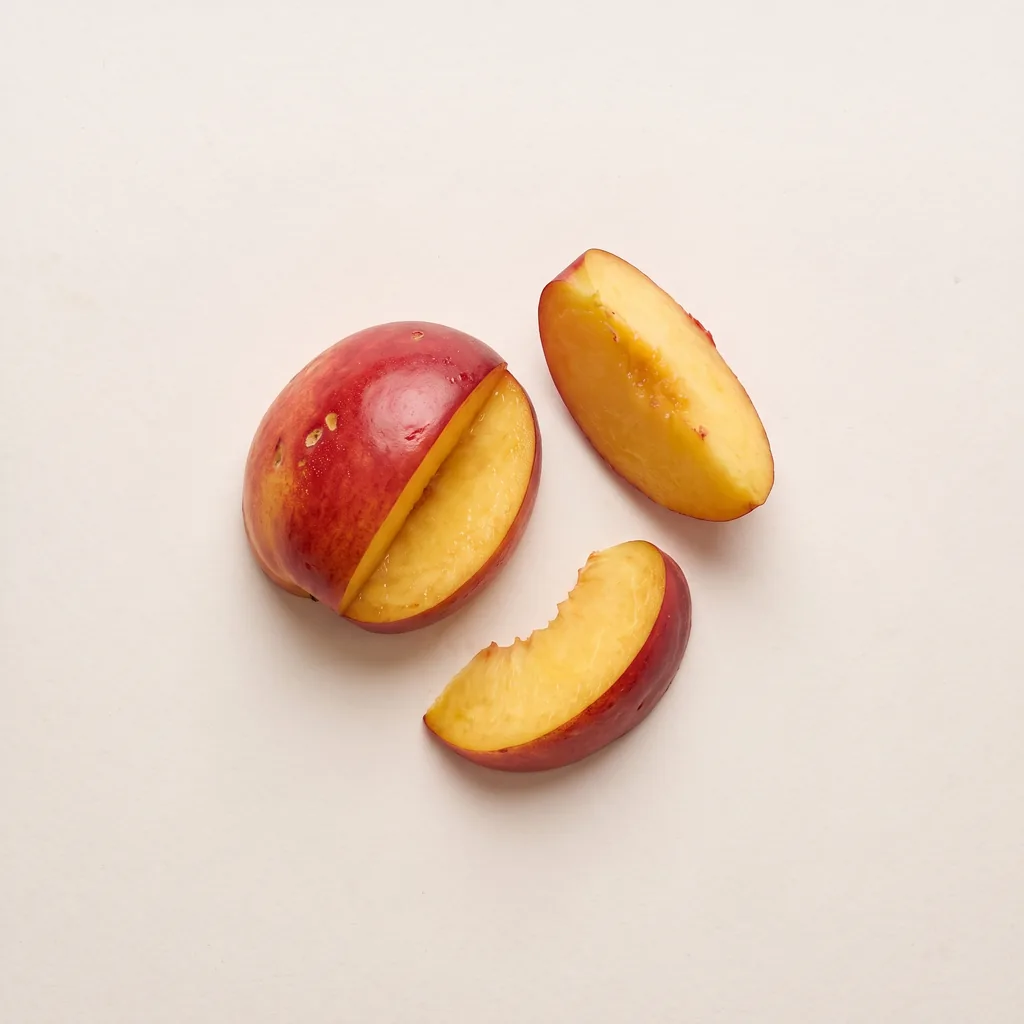
6 monthsMash
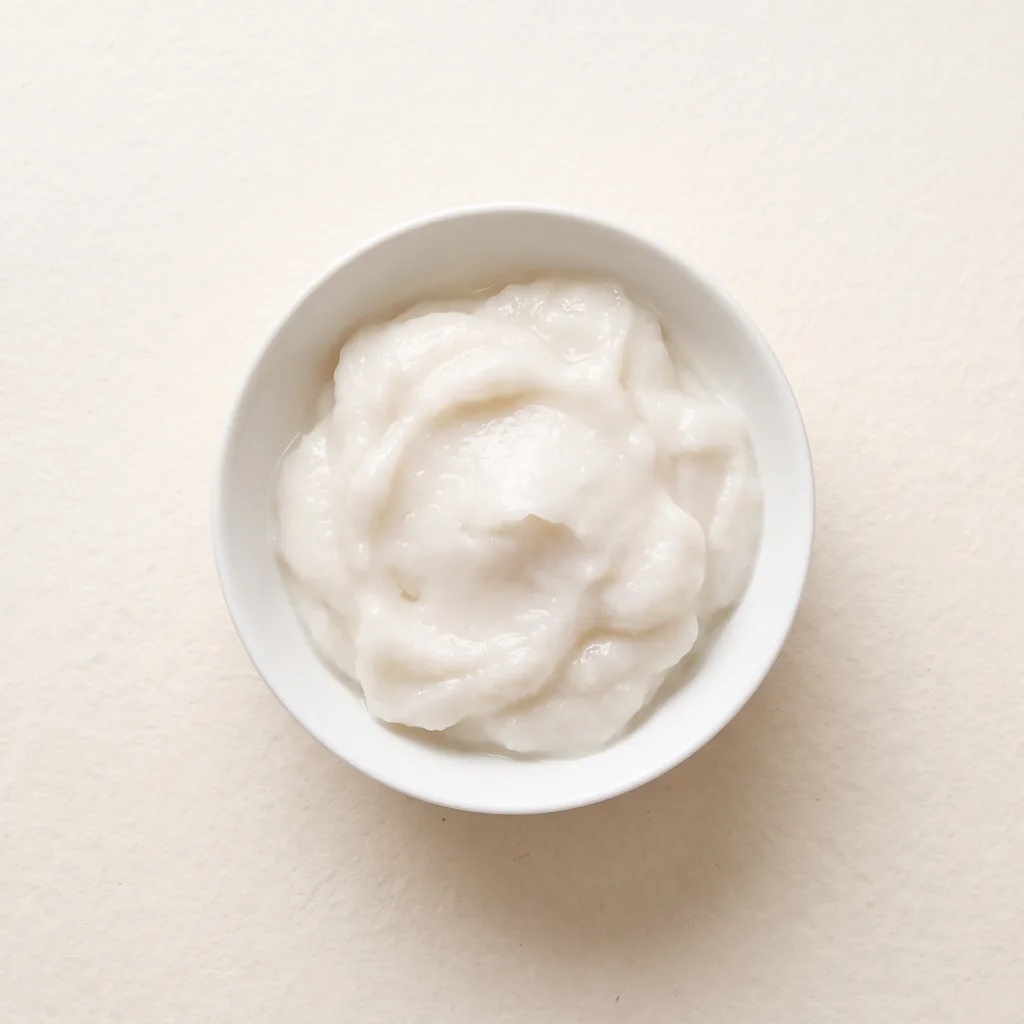
Mash or very finely chop seedless segments of ripe mangosteen. Mix them into a soft, scoopable food. Baby can scoop with hands or an already loaded spoon.
Dietitian's view
Mangosteen is not common in Türkiye.
Lokmini is not a healthcare provider and does not offer health services. For your baby's specific needs, talk to your doctor or a dietitian.
You can offer ripe, seedless mangosteen once baby is ready for solids, usually around 6 months.
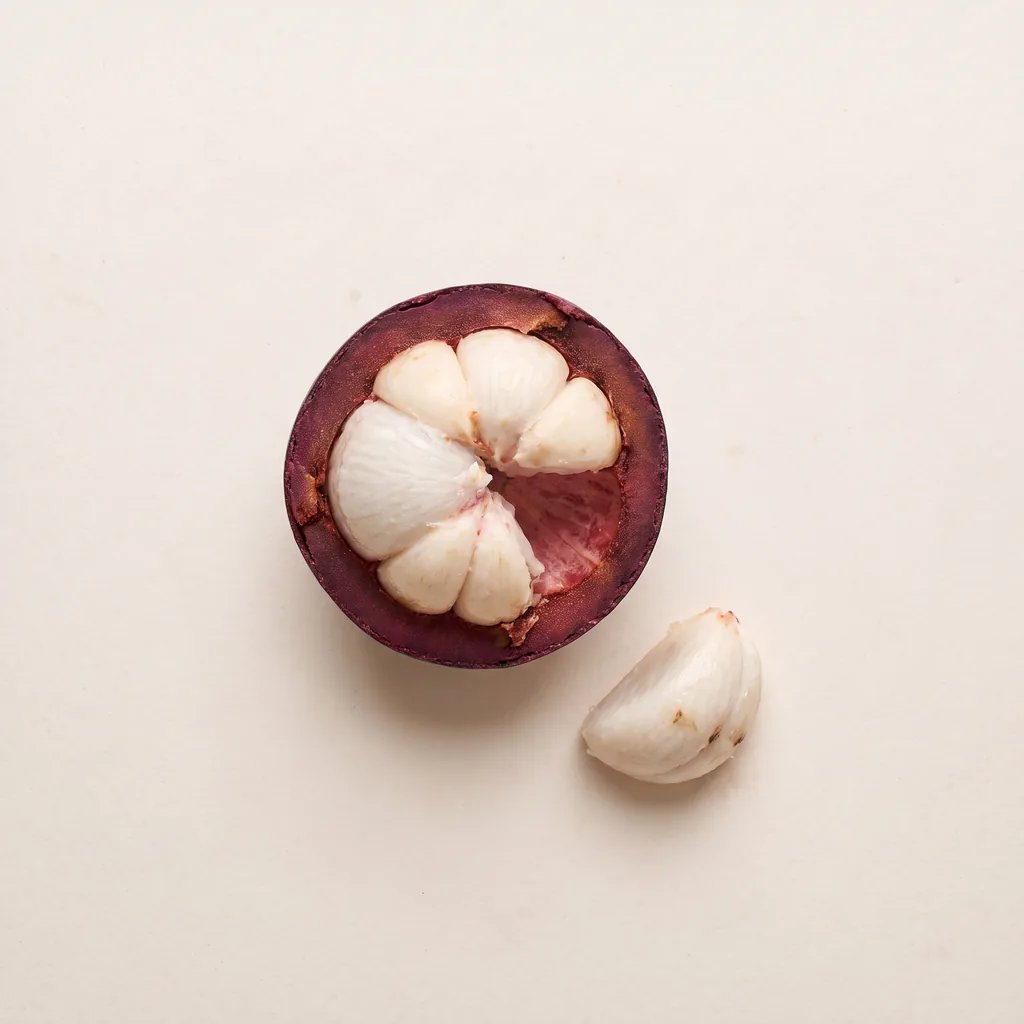
Mangosteen is called the 'queen of fruits'. It is a fruit native to Southeast Asia. Its flesh is juicy, sweet and a little tart. The ripe rind is dark purple and woody. Inside the inedible rind sit pearly white segments. People eat them fresh or add them to desserts and salads.
It gives folate, fiber, antioxidants and xanthones, which are plant compounds.
Also known as: mangostan, mangosten, mangosteen, meyvelerin kraliçesi
6 monthsMash
Mash or very finely chop seedless segments of ripe mangosteen. Mix them into a soft, scoopable food. Baby can scoop with hands or an already loaded spoon.
9 monthsCube
Cut: Bite sized piece
Chop ripe, seedless fruit into bite-sized pieces. Baby picks them up with the pincer grasp. If the pieces turn too slippery, coat them in fine coconut shreds or crushed hemp seeds. You can keep offering a mash if you like.
12 monthsSlice
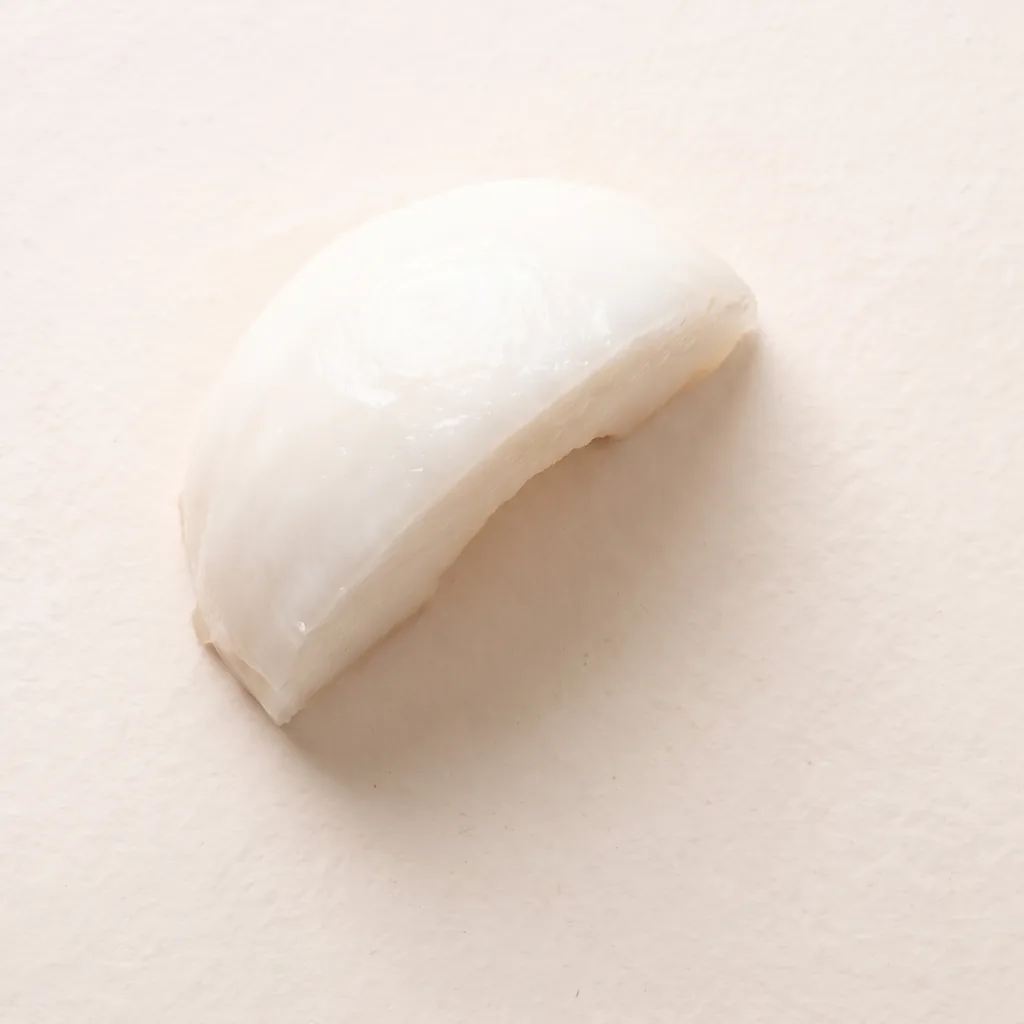
Cut: Bite sized piece
Keep serving small seedless pieces. After 24 months, a child with molars who chews well and follows directions can try a whole segment with the seed inside. Explain that the seed needs a lot of chewing. Show chewing thoroughly with the back teeth first. Offer one or two segments at a time.
Mangosteen segments are small, tapered and slippery. A hard seed may be inside. These traits raise choking risk.
Pick out seeds and prepare the fruit to fit baby's age. Stay next to baby for the whole meal.
Mangosteen rarely causes allergy. Those who have pollen food allergy syndrome, birch pollen allergy in particular, may be sensitive. It usually shows as a brief itch, tingle or burn in the mouth. A dangerous reaction is not expected.
Start with a small amount for the first servings. If there is no reaction, raise the amount slowly.
Prepared by the Lokmini team | Last updated November 17, 2026
Join Lokmini to learn how this food is served at each age and to keep track of every food your baby tries.
Lokmini builds a day-by-day plan for your baby's age. Leave your email for new guides and our newsletter.
Start Your Journey