Dietitian's view
Lychee is not recommended for safety reasons.
Lokmini is not a healthcare provider and does not offer health services. For your baby's specific needs, talk to your doctor or a dietitian.
- Fruits
- Not recommended for babies
- Medium choking risk
Can babies have Lychee?
Lychee is not recommended for babies. The reason is safety. The seed holds toxic compounds.
- Vitamin C
- Vitamin B6
- Potassium
- Folate
- Carbohydrate
- Fiber
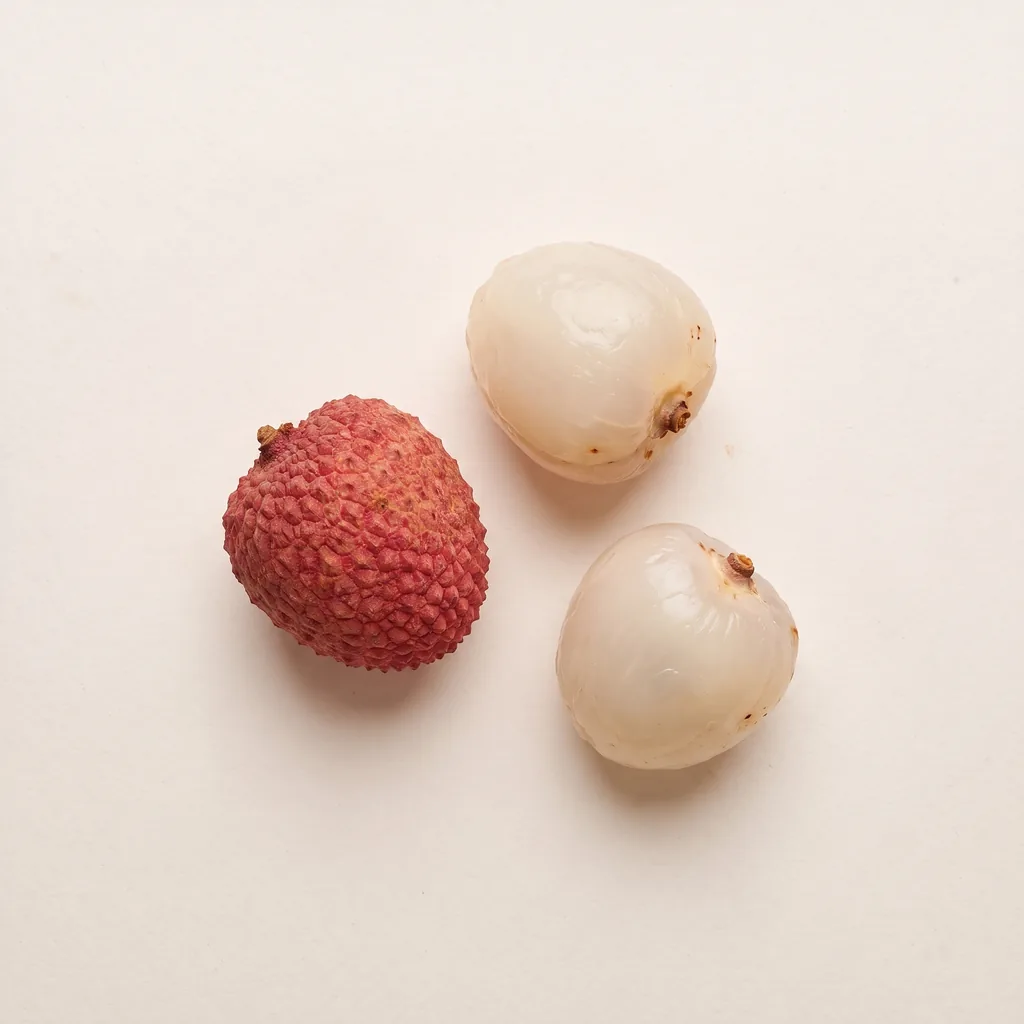
About lychee
Lychee grows in southeastern China. It is also called Chinese cherry or litchi. The trees are tall and evergreen. Across China and East Asia people mostly eat the fruit fresh. The harvest season is short. Traditional Chinese medicine sees it as a hot food, best eaten in small amounts on hot days.
Ripe lychee has carbohydrate, fiber, fluid, vitamin B6 and vitamin C. It also gives potassium, folate and antioxidants.
Also known as: liçi, lychee, litchi, lici, çin kirazı
- Gluten-free
- Vegan
Choking risk
- Low
- Medium
- High
The flesh is firm and the seed is hard, and either can cause choking.
Allergen information
Lychee is not a common allergen. Allergy is rare but possible. A reaction is possible in people with a birch, grass, or mugwort pollen allergy, and in those with pollen food allergy syndrome. What you usually see is a brief itch or burn in the mouth. A dangerous reaction is not expected.
Itchy rashes have been reported after skin contact with the fruit or its juice. Wash your hands after you handle lychee.
Not a tree nut
In the US the FDA has listed lychee with tree nuts. In truth it is a fruit and does not usually cross-react with nuts.
Frequently asked questions
What age can babies eat lychee?
Is lychee a common allergen?
Is lychee a choking hazard for babies?
Why is the lychee seed dangerous?
How can I tell a lychee is ripe?
Sources
Prepared by the Lokmini team | Last updated November 17, 2026