Skip to content

Dietitian's view

Kale is not common in Türkiye.

Lokmini is not a healthcare provider and does not offer health services. For your baby's specific needs, talk to your doctor or a dietitian.

  • Vegetables
  • 6 mo+
  • Low choking risk

Kale for babies: when to start

Kale can start when your baby is ready for solids, usually around 6 months. It belongs to the cruciferous family, like cabbage and broccoli. It is native to the Mediterranean region. In Turkey it is a relative of black cabbage (karalahana) and curly cabbage.

  • Fiber
  • Folate
  • Calcium
  • Iron
  • Vitamin A
  • Vitamin C
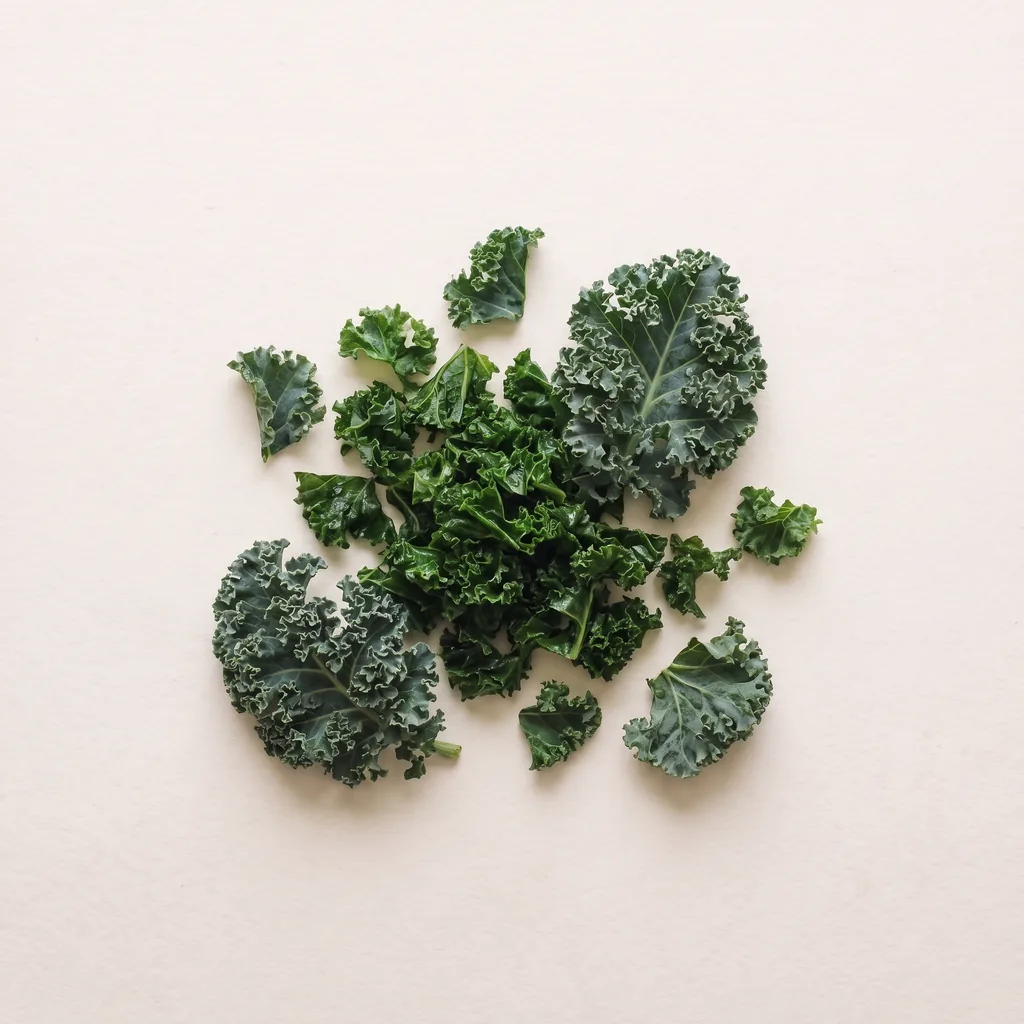
Kale prepared for a baby

About kale

It supplies fiber and folate, along with calcium, iron, and vitamins K, C and A. It also has antioxidant plant compounds called glucosinolates.

Also known as: kale, kıvırcık lahana, yaprak lahana, kale lahanası, karalahana, kıvırcık yaprak lahana

  • Gluten-free
  • Vegan

How to prepare it by age

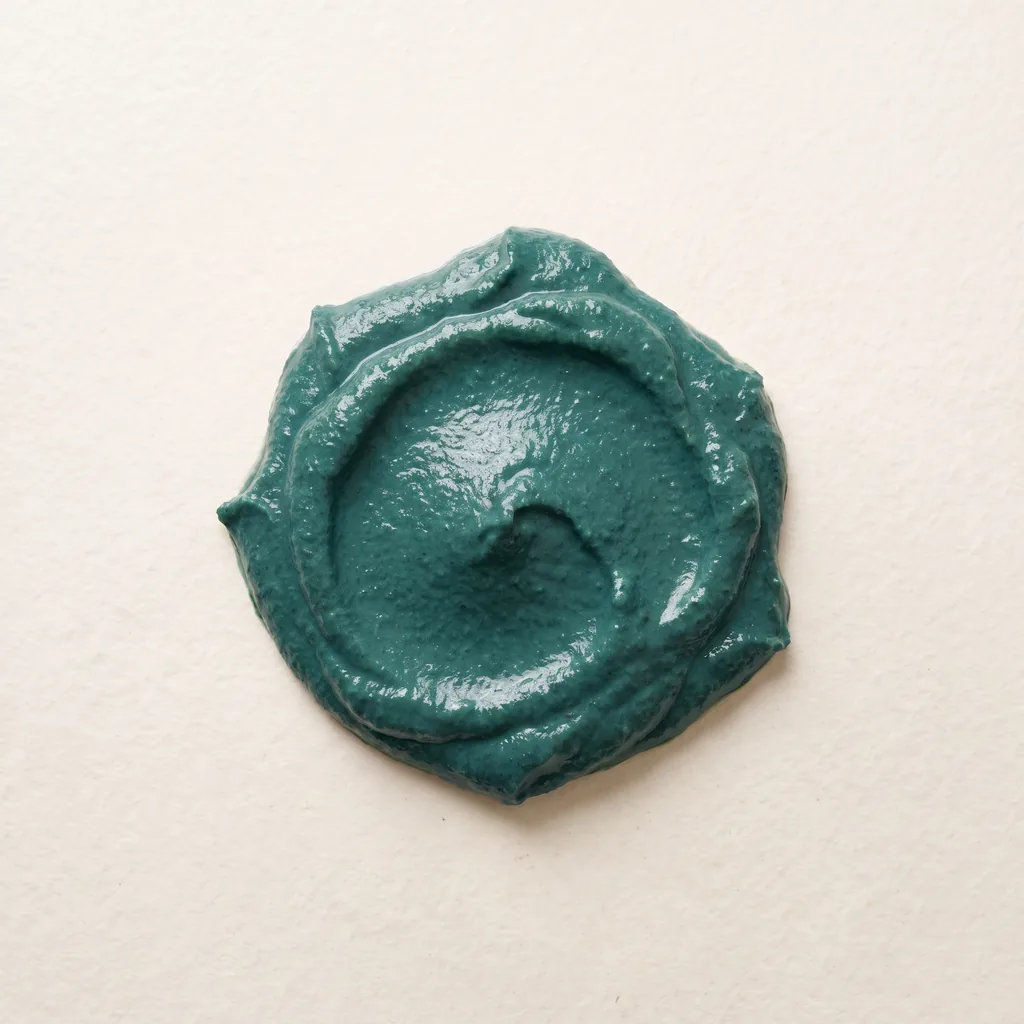
6 monthsMash

Kale prepared for 6 months

Cut: Finely chopped

Cook kale until soft and chop it very finely. Stir it into vegetable purée, porridge or another soft, scoopable food. You can also fold it into egg strips or meat patties. Tiny leaf bits can cling to the tongue and mouth and cause coughing, and mixing them in reduces that.
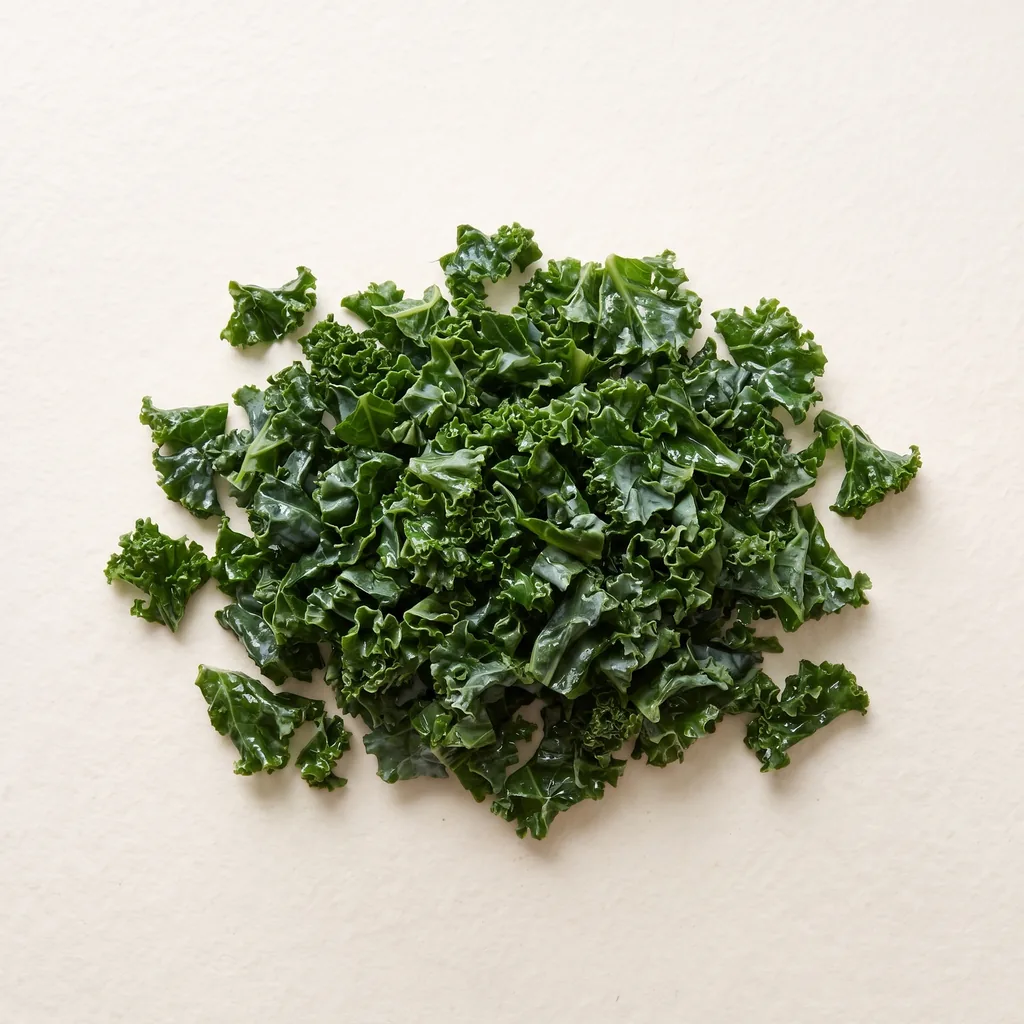
9 monthsCube

Kale prepared for 9 months

Cut: Finely chopped

Shred kale into thin strands. Offer it cooked or raw. Your baby practices picking up the strands with the fingers. Raw greens are a little harder to chew, but they build eating skills. You can also offer kale chips, which should crumble easily under light pressure.

12 monthsCube

Kale can be raw or cooked now, finely chopped, in strands, or in bigger pieces. Some spitting is normal. Swallowing tends to increase as molars come in. Now is a good time to let your child try feeding themselves with a spoon or fork.

Choking risk

  1. Low
  2. Medium
  3. High

Well-prepared kale carries a low choking risk. Leaf pieces can stick to the tongue or palate and cause gagging or coughing. Offer water in an open cup alongside. Stay close during meals, within arm's reach.

Allergen information

Kale is not a common allergen. It is in the cruciferous family. People allergic to mustard greens or broccoli may react to kale too. People with mugwort pollen allergy may get oral allergy syndrome. The usual sign is a short-lived itchy, tingly, or burning feeling in the mouth. Cooking reduces the reaction. Keep the first servings small.

Frequently asked questions

How do you prepare kale for babies?

For a 6-month-old: Cook kale until soft and chop it very finely. Stir it into vegetable purée, porridge or another soft, scoopable food. You can also fold it into egg strips or meat patties. Tiny leaf bits can cling to the tongue and mouth and cause coughing, and mixing them in reduces that.
Is kale a choking hazard for babies?

Well-prepared kale carries a low choking risk. Leaf pieces can stick to the tongue or palate and cause gagging or coughing. Offer water in an open cup alongside. Stay close during meals, within arm's reach.

When can a baby eat kale?

Once your baby is ready for solids, usually around 6 months. Cook it, chop it finely and mix it into a soft food.

Can babies have kale chips?

Yes, if they crumble easily under light pressure. Some are salty, and an occasional bite is fine. If you serve them often, choose a low-salt kind.

Should I worry about nitrates in kale?

Usually not. Nitrate-containing vegetables belong in a diet with lots of variety. Serve homemade purée right away and skip leftovers older than a day or two.

Are oxalates and lectins harmful?

They are generally harmless for healthy people in a balanced diet. Cooking lowers them somewhat.

Can kale cause an allergy?

Rarely. People sensitive to mustard greens or broccoli, or with mugwort pollen allergy, may get mouth itching. Cooking helps.

Prepared by the Lokmini team | Last updated November 18, 2026

Share:WhatsApp

Want to add this food to your baby's solid food calendar?

Join Lokmini to learn how this food is served at each age and to keep track of every food your baby tries.

Join Lokmini

Starting Solids

When and how to start solids, and what happens in the first week?

Read the guide

Similar foods

Let's get ready for the first bite together

Lokmini builds a day-by-day plan for your baby's age. Leave your email for new guides and our newsletter.

Start Your Journey