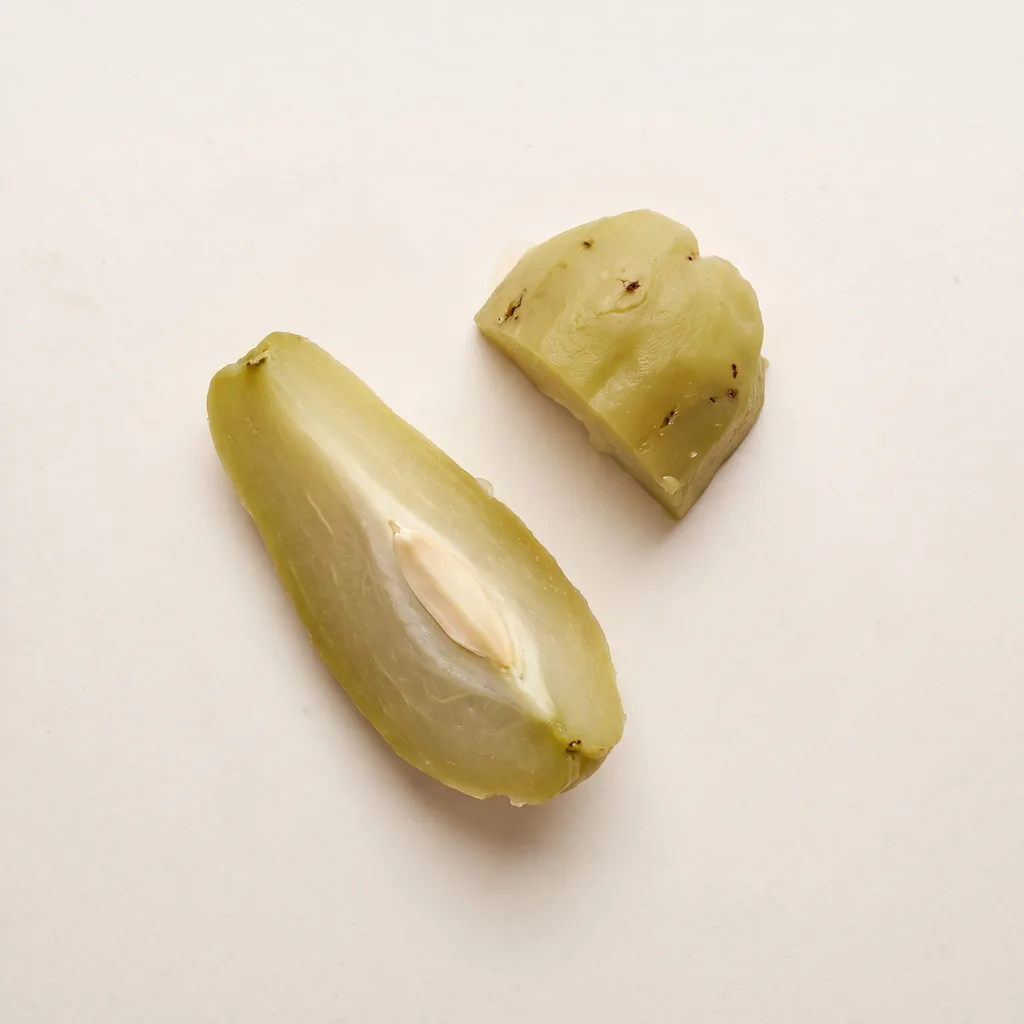
6 monthsMash
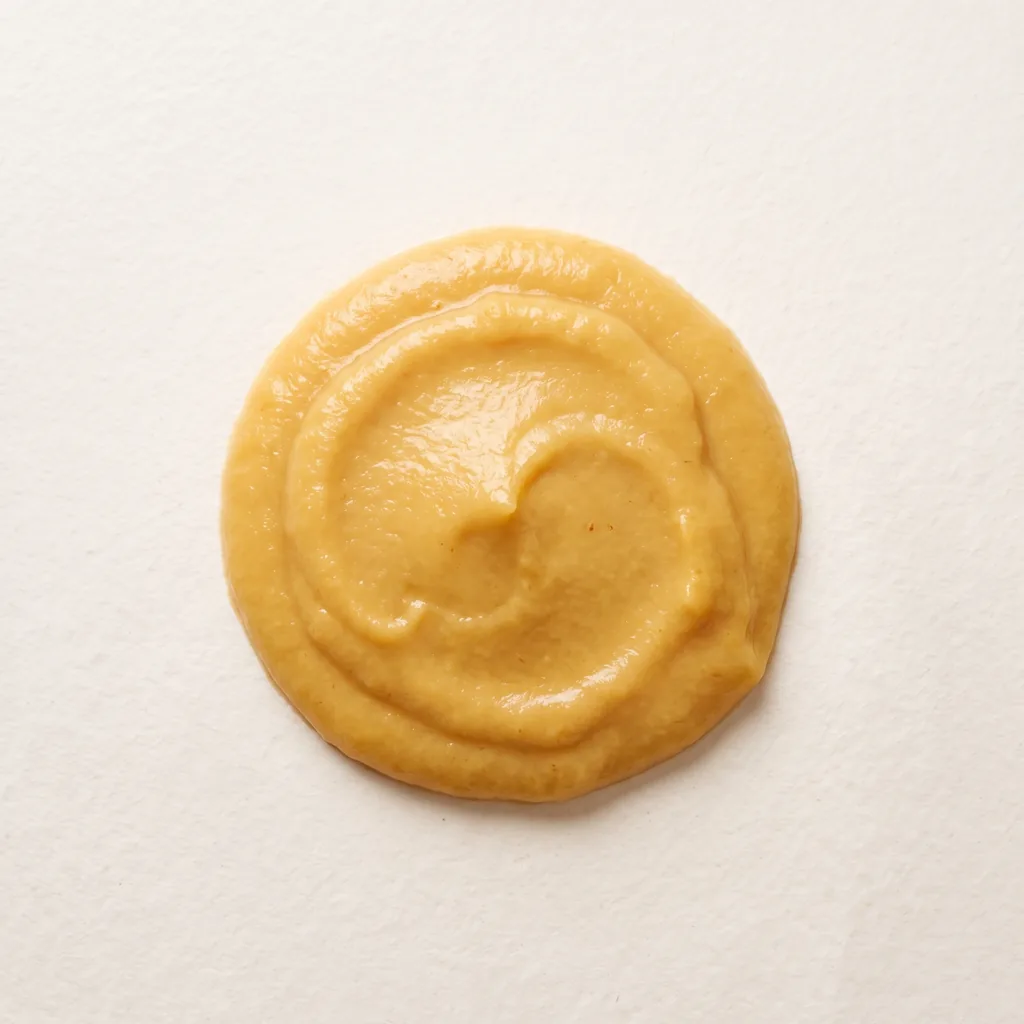
Cut: Finely chopped
Cook the mushrooms and chop them very fine. Add them to easy-to-grab foods such as egg strips. You can also stir them into vegetable mash, porridge or yogurt. Chop the cap and stem together.
Dietitian's view
The safety of chanterelle mushroom is not certain. It can be confused with other mushrooms.
Lokmini is not a healthcare provider and does not offer health services. For your baby's specific needs, talk to your doctor or a dietitian.
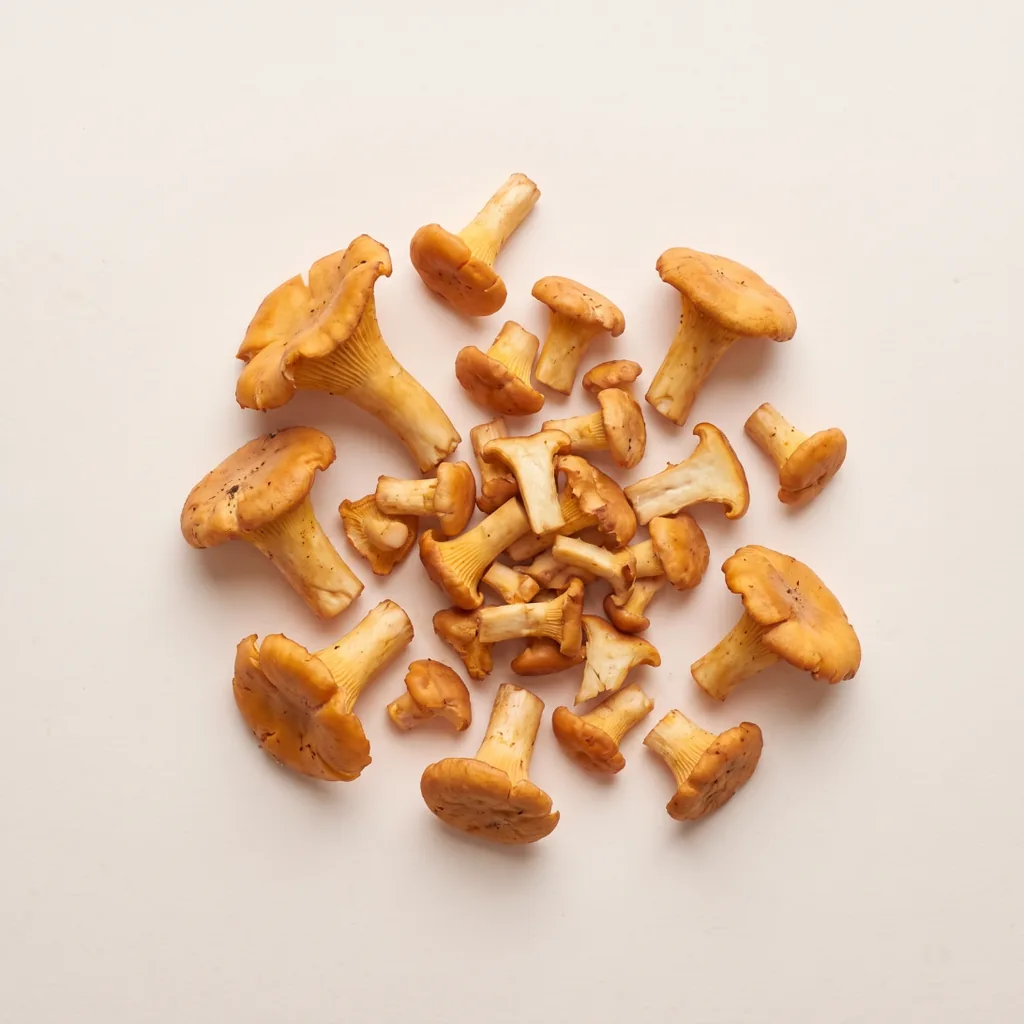
Chanterelle mushrooms can start when your baby is about 6 months old and ready for solids. The name stands for several related mushroom species found throughout northern forests. Black, brown and cream types exist, but cooks mostly choose the golden one. They are hard to farm. Limited production keeps fresh mushrooms pricey in many places.
Note
Use only mushrooms from an approved source; never forage. Morels are toxic raw, cook them thoroughly.
This mushroom gives fiber, iron and copper. It is one of the few foods with vitamin D. It also carries plant compounds.
Unless you are an expert, do not forage wild mushrooms and do not give them to a baby. Many poisonous look-alikes grow in the wild. Buy mushrooms from a trusted seller.
No foraging
Only an expert mycologist should consider feeding a baby wild mushrooms. Poisonous look-alikes can cause severe poisoning.
Also known as: horoz mantarı, tilki mantarı, girol, chanterelle
6 monthsMash
Cut: Finely chopped
Cook the mushrooms and chop them very fine. Add them to easy-to-grab foods such as egg strips. You can also stir them into vegetable mash, porridge or yogurt. Chop the cap and stem together.
9 monthsCube
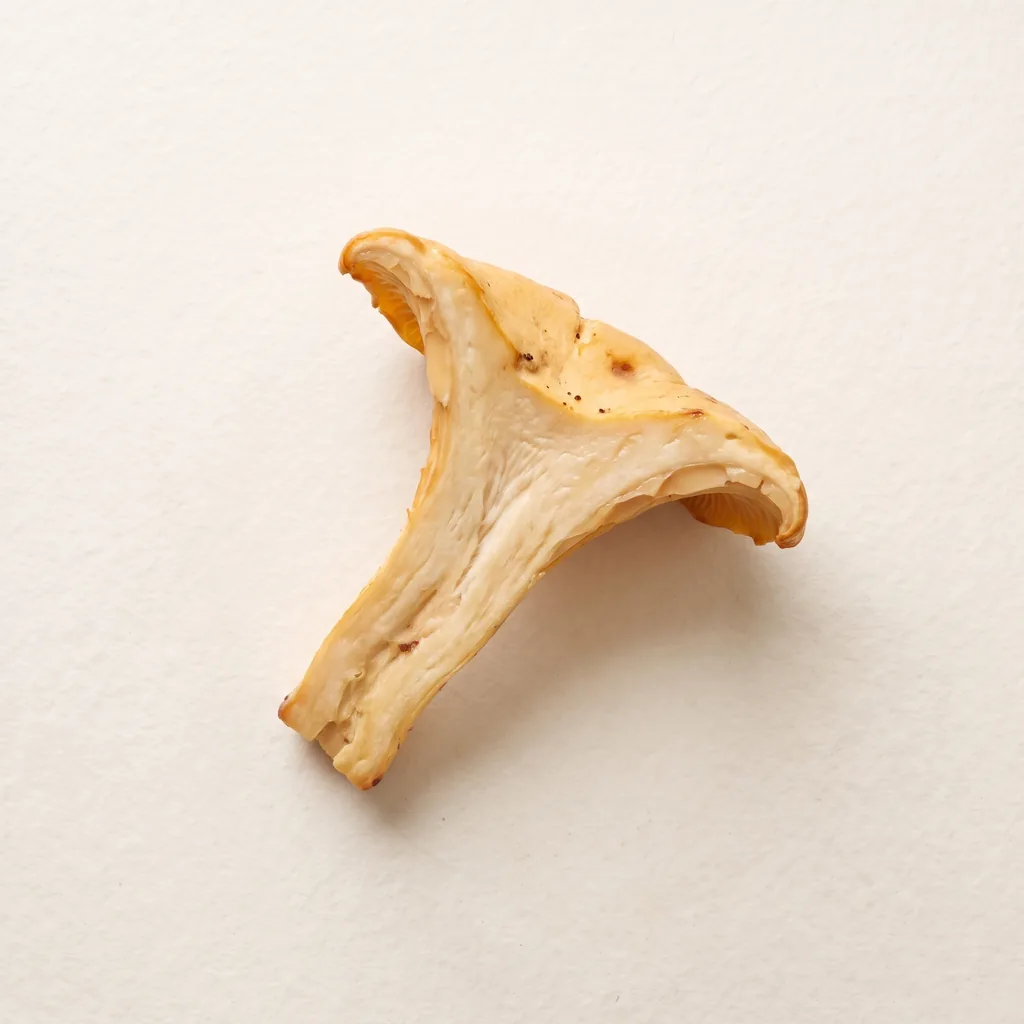
Serve chopped cooked mushrooms folded into pasta, pilaf or stew. If you serve the pieces alone, your baby can pick them up with a pincer grasp. Keep the pieces small and soft.
12 monthsCube
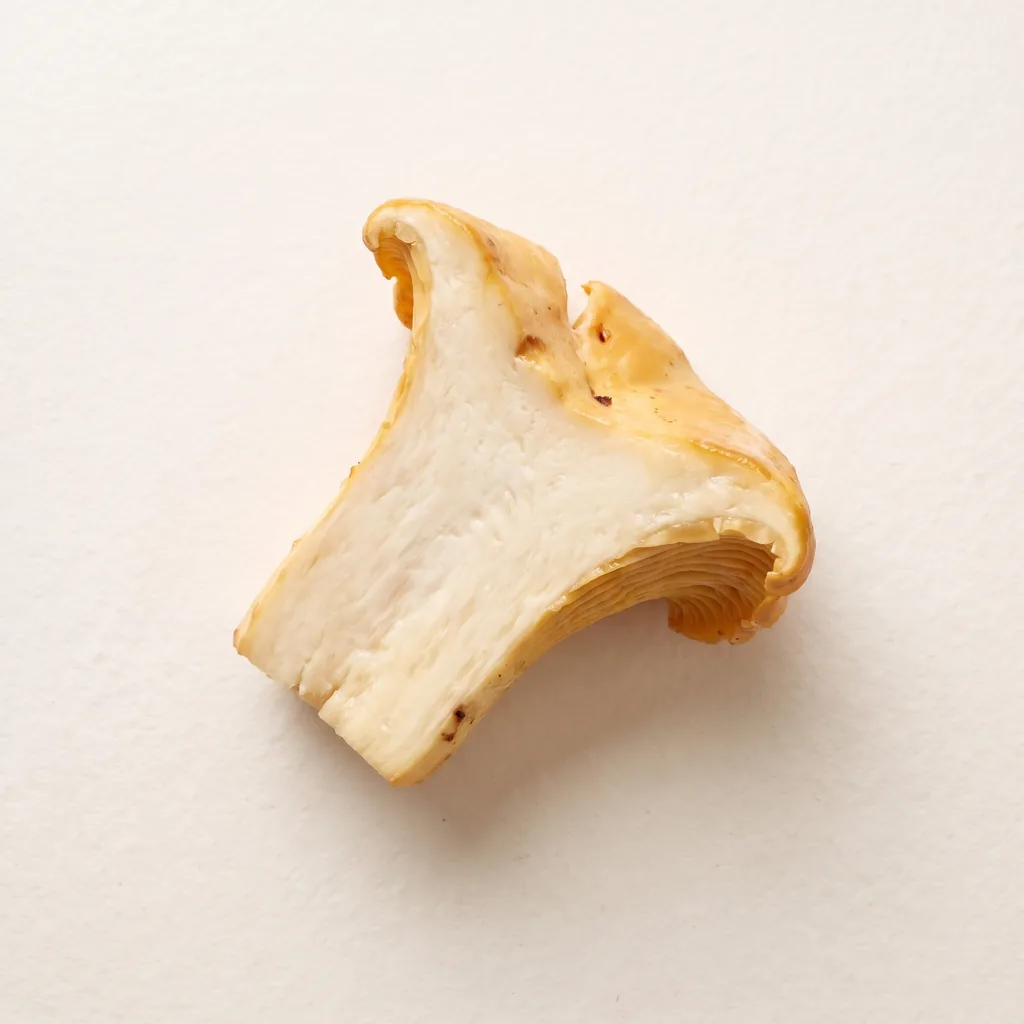
Keep serving chopped cooked mushrooms alone or inside a dish. If your child chews well and does not overstuff the mouth, you can try larger pieces for biting practice.
Chanterelle mushrooms carry a choking risk. The cylindrical stems are especially risky. The mushroom is chewy and hard for a new eater to break down. Chop both cap and stem fine before serving. Stay within arm's reach during meals.
Cutting rule
Do not serve mushrooms whole or in big pieces. Chop the cap and stem very fine.
Mushrooms are not a common allergen. Mushroom allergy is rare but reported. Anaphylaxis and contact rashes have occurred in people who handle mushrooms. Mushrooms contain chitin, which is also found in shellfish and insects, and a carbohydrate called mannitol. Either can trigger a reaction in sensitive people.
In pollen food allergy syndrome, especially with mold sensitivity, there can be short itching or burning in the mouth. Cooking reduces the reaction.
Sulfites can be used to preserve dried mushrooms. Sulfites rarely cause allergy, though people with asthma may have allergy-like reactions. Check the label for sulfur dioxide and sulfite compounds.
Start with a small amount at first. If there is no reaction, raise the portion.
Prepared by the Lokmini team | Last updated November 17, 2026
Join Lokmini to learn how this food is served at each age and to keep track of every food your baby tries.
Lokmini builds a day-by-day plan for your baby's age. Leave your email for new guides and our newsletter.
Start Your Journey