Skip to content

Dietitian's view

Chayote is not common in Türkiye.

Lokmini is not a healthcare provider and does not offer health services. For your baby's specific needs, talk to your doctor or a dietitian.

  • Vegetables
  • 6 mo+
  • Medium choking risk

Chayote for babies: when to start

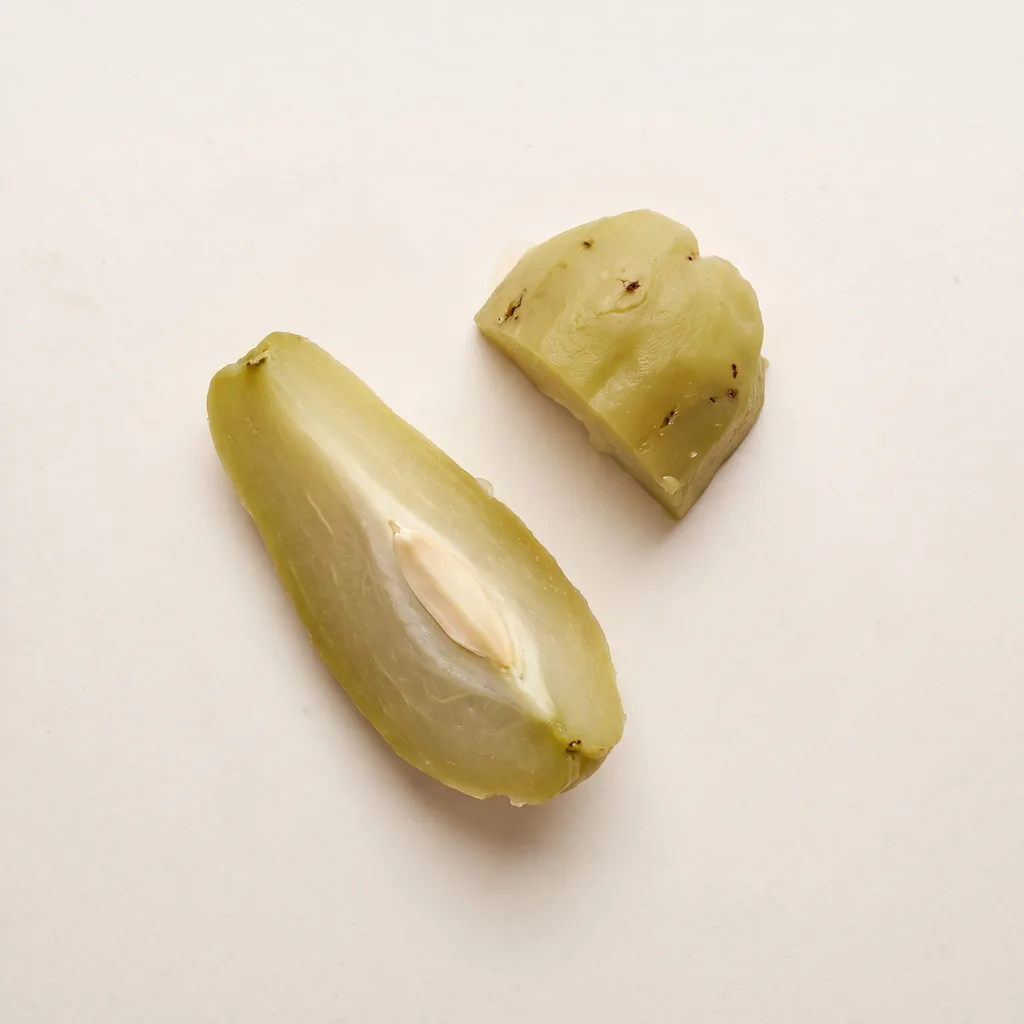
Chayote can start when your baby is about 6 months old and ready for solids. This squash is crunchy and juicy. Its skin is cream or green and its flesh is bright white. It comes from Central America. Today it grows in many parts of the world. It goes by many names, such as choko, mirliton and vegetable pear.

  • Zinc
  • Folate
  • Vitamin B6
  • Vitamin C
  • Fiber
Chayote prepared for a baby

About chayote

Chayote gives zinc, folate, vitamin B6 and vitamin C. It carries trace iron and copper, calcium, vitamin A and a little fiber. Like most squashes, it carries antioxidants.

When shopping

Choose a firm chayote that has no bruises and no dark patches. It should feel firm like a pear just starting to ripen, not rock hard.

Also known as: şayot, sebze armudu, mirliton, christophene, choko

  • Gluten-free
  • Vegan

How to prepare it by age

6 monthsMash or strip
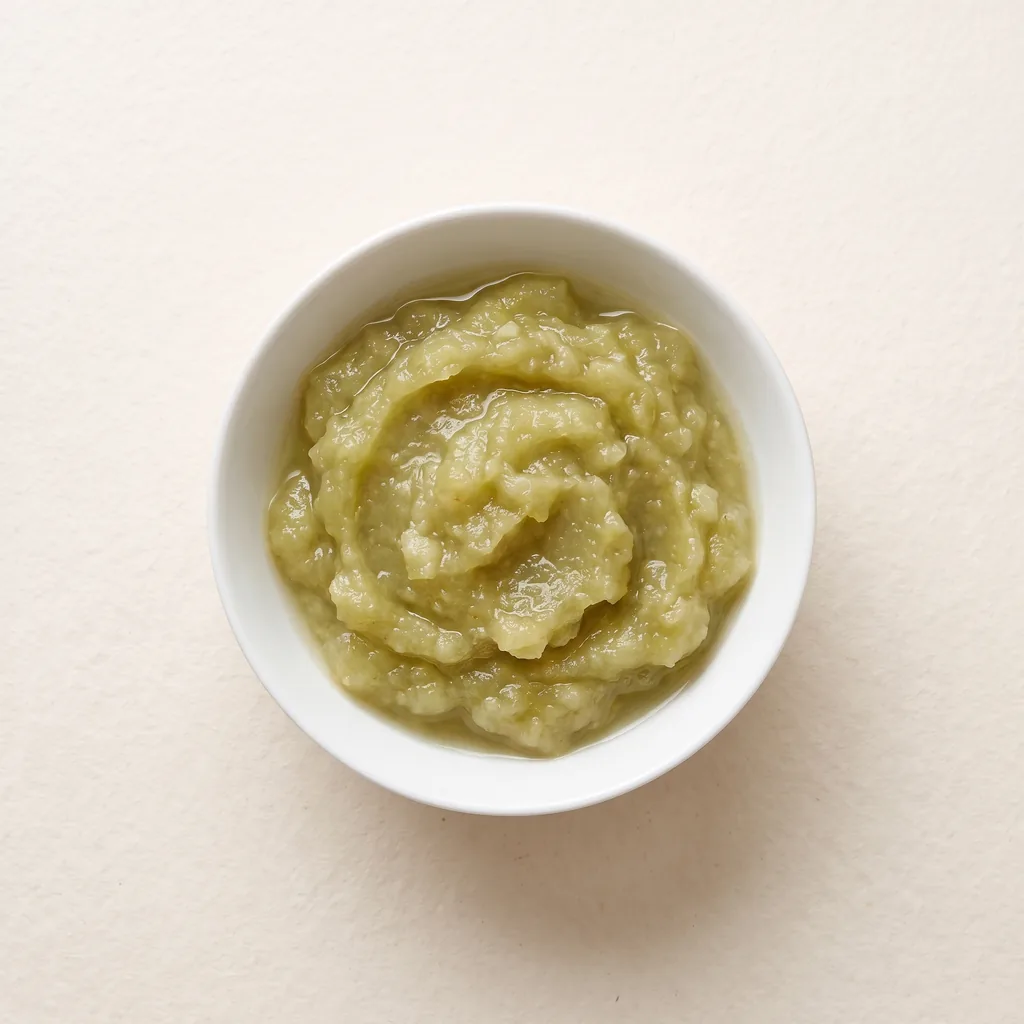
Chayote prepared for 6 months

Cut: Fork mashed

Peel the chayote, cook it until soft and mash it. Baby can scoop the mash up by hand, or you can fill a spoon ahead of time. Wear gloves while peeling, because the milky sap can make skin itch.

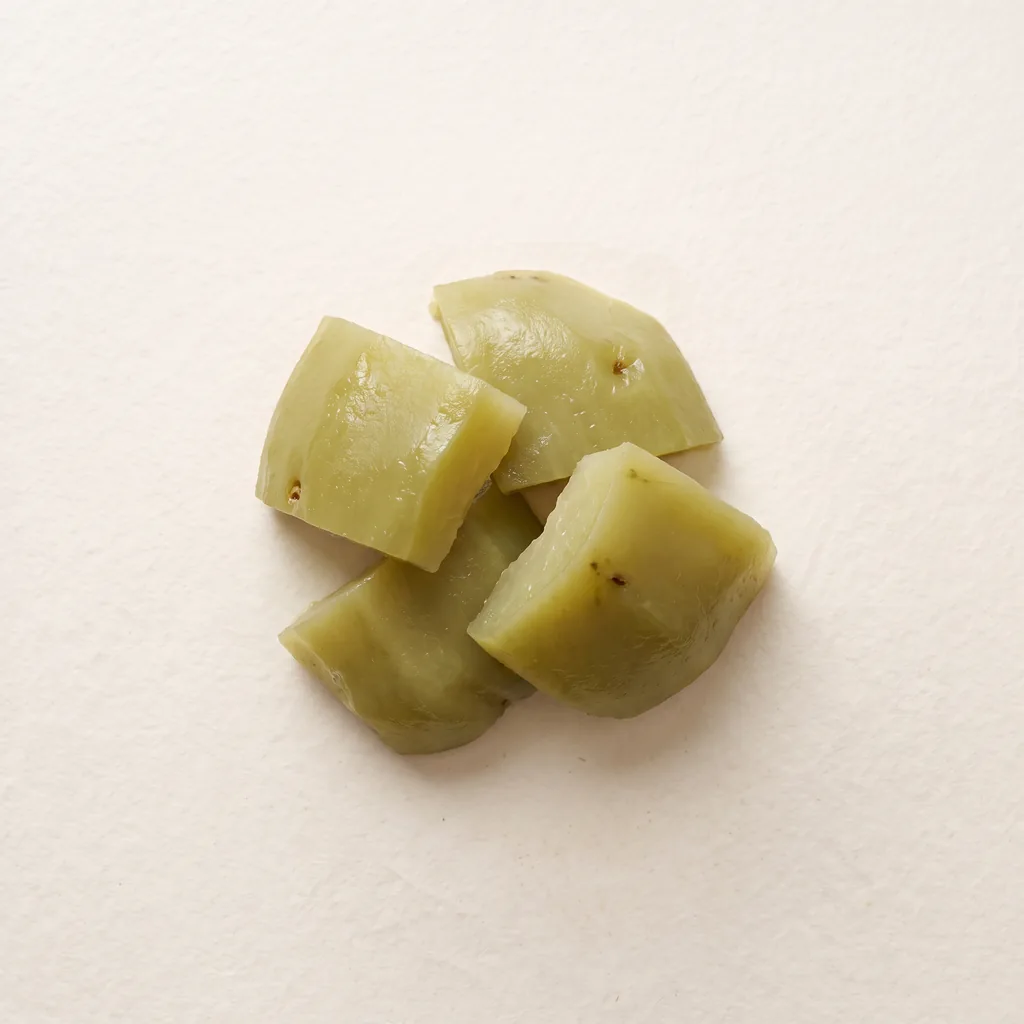
Cut: Thick wedge

Cut cooked, soft chayote into large wedges. Your baby gnaws on them. If a big bite comes off, keep your fingers out of the mouth. Rest a hand on the back and lean your baby slightly forward so spitting out is easier.
9 monthsCube

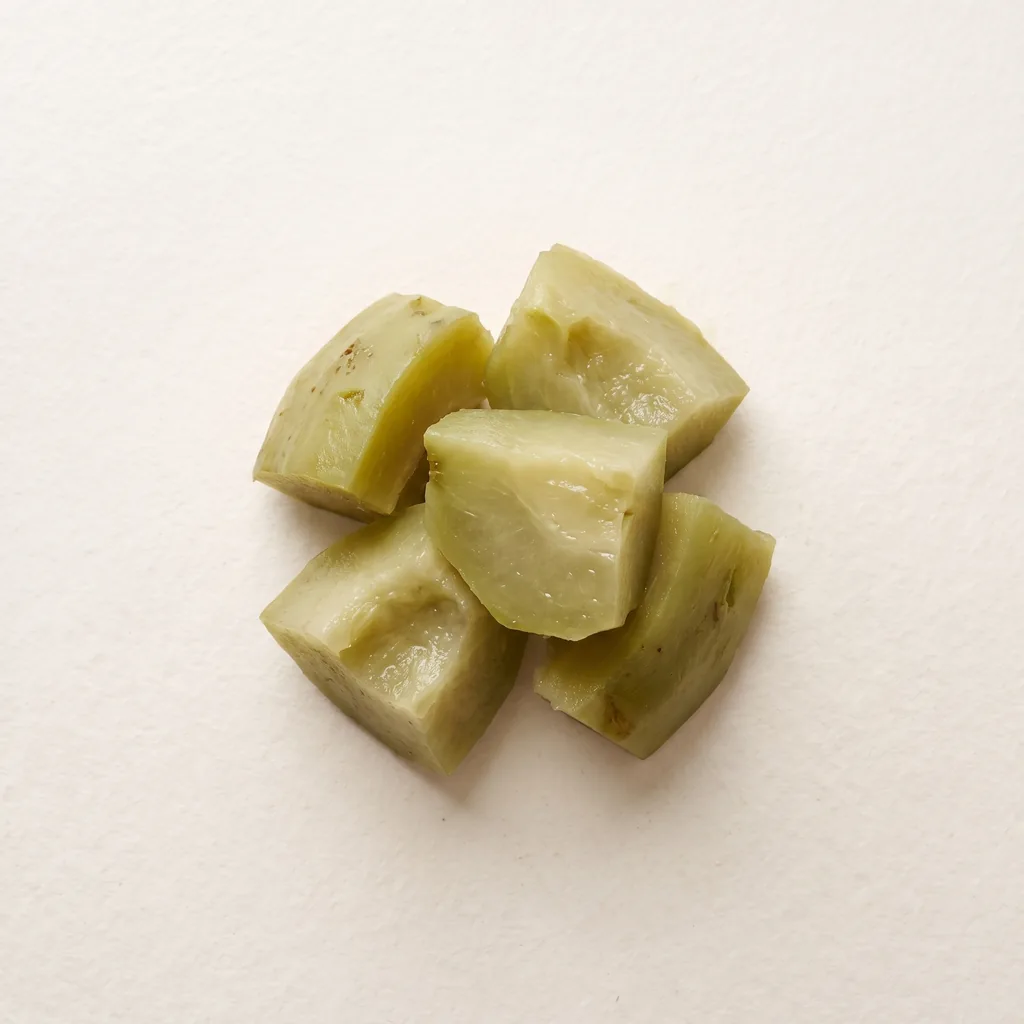
Chayote prepared for 9 months

Cut: Bite sized piece

Cut well-cooked chayote into bite-sized pieces. Your baby picks them up with a pincer grasp. To serve it raw, slice it paper thin or grate it.

12 monthsCube

Chayote prepared for 12 months

Offer cooked soft pieces with a fork. Pre-load the fork and let your child take it. Keep serving raw chayote grated or in thin slices. Try thicker raw slices after age 2.

Choking risk

  1. Low
  2. Medium
  3. High

Raw chayote is hard, slippery and tough to chew. These traits raise choking risk. Prepare it for your baby's age and stay within arm's reach during meals.

Serving raw

Do not give a young baby raw chayote pieces. If you serve it raw, slice it paper thin or grate it.

Allergen information

Chayote is not a common allergen. An allergy is rare. But handling squashes, mostly raw ones, often leaves the hands itchy and rashy. Peeled chayote releases a milky sap that can irritate skin. Wear gloves or hold it under cool water while peeling. Once cooked, the sap usually causes no trouble, so the risk of a reaction while eating is low.

For babies with sensitive skin, you can apply a barrier cream such as pure petroleum jelly around the mouth before the meal. Wash the face and hands afterward.

Offer a small amount the first time. If there is no reaction, raise the amount slowly.

Frequently asked questions

What age can babies eat chayote?

Chayote can start when your baby is about 6 months old and ready for solids. This squash is crunchy and juicy. Its skin is cream or green and its flesh is bright white. It comes from Central America. Today it grows in many parts of the world. It goes by many names, such as choko, mirliton and vegetable pear.

Is chayote a common allergen?

Chayote is not a common allergen. An allergy is rare. But handling squashes, mostly raw ones, often leaves the hands itchy and rashy. Peeled chayote releases a milky sap that can irritate skin. Wear gloves or hold it under cool water while peeling. Once cooked, the sap usually causes no trouble, so the risk of a reaction while eating is low.

How do you prepare chayote for babies?

For a 6-month-old: Peel the chayote, cook it until soft and mash it. Baby can scoop the mash up by hand, or you can fill a spoon ahead of time. Wear gloves while peeling, because the milky sap can make skin itch.

Is chayote a choking hazard for babies?

Raw chayote is hard, slippery and tough to chew. These traits raise choking risk. Prepare it for your baby's age and stay within arm's reach during meals.

Can chayote be eaten raw?

Yes, but it is hard, so take care with young children. Slice it paper thin or grate it. Try thicker raw slices after age 2.

Why do my hands itch when I peel it?

Peeled chayote releases a milky sap that irritates skin. Wear gloves or hold it under cool water as you peel.

Is chayote healthy for babies?

Yes. It gives zinc, folate, vitamin B6 and vitamin C, plus antioxidants.

Prepared by the Lokmini team | Last updated November 17, 2026

Share:WhatsApp

Want to add this food to your baby's solid food calendar?

Join Lokmini to learn how this food is served at each age and to keep track of every food your baby tries.

Join Lokmini

Starting Solids

When and how to start solids, and what happens in the first week?

Read the guide

Similar foods

Let's get ready for the first bite together

Lokmini builds a day-by-day plan for your baby's age. Leave your email for new guides and our newsletter.

Start Your Journey