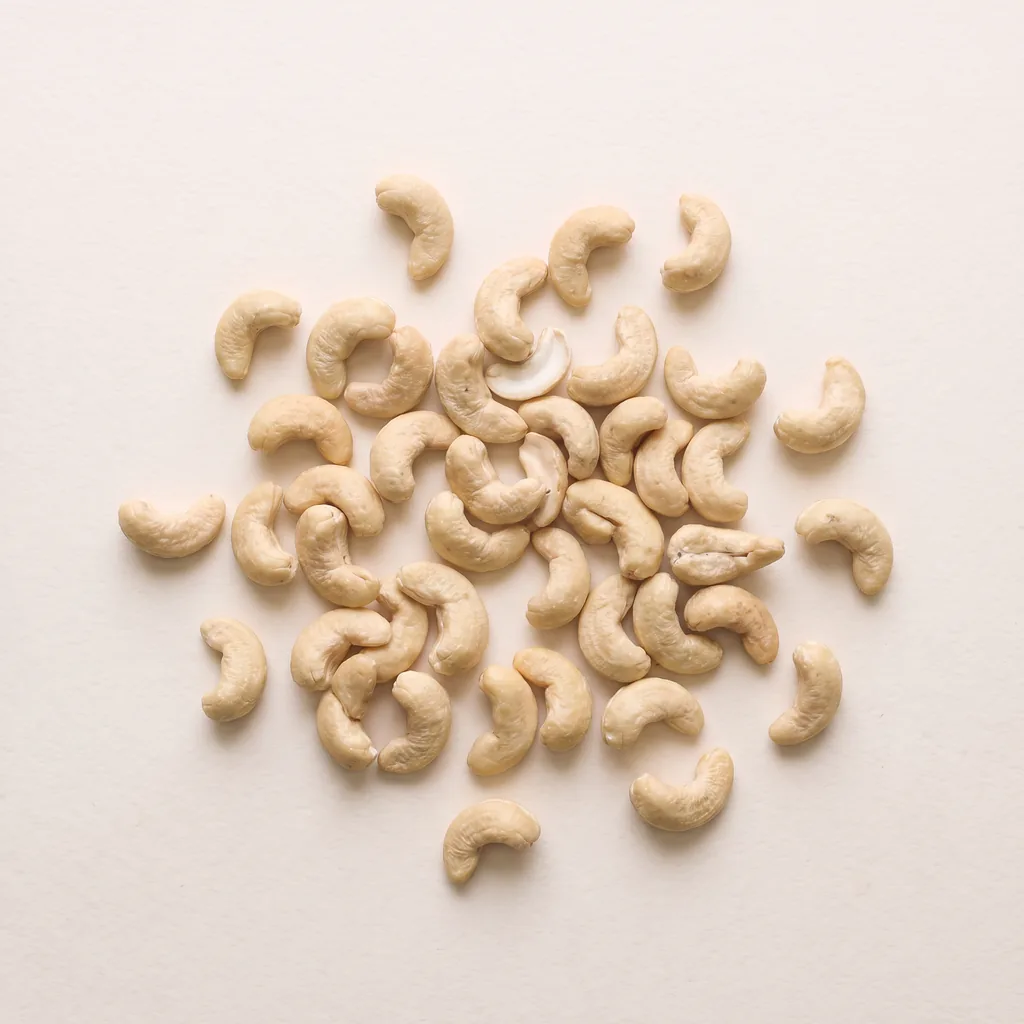
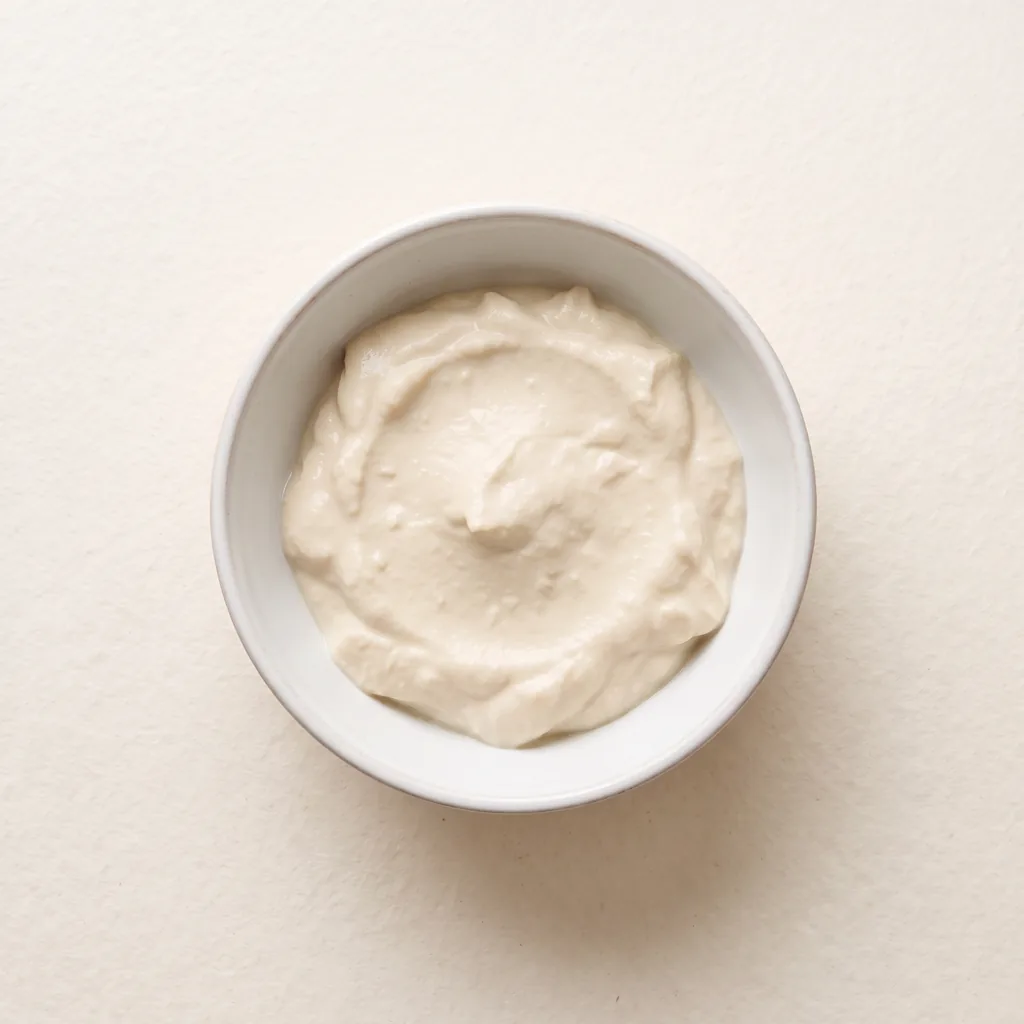
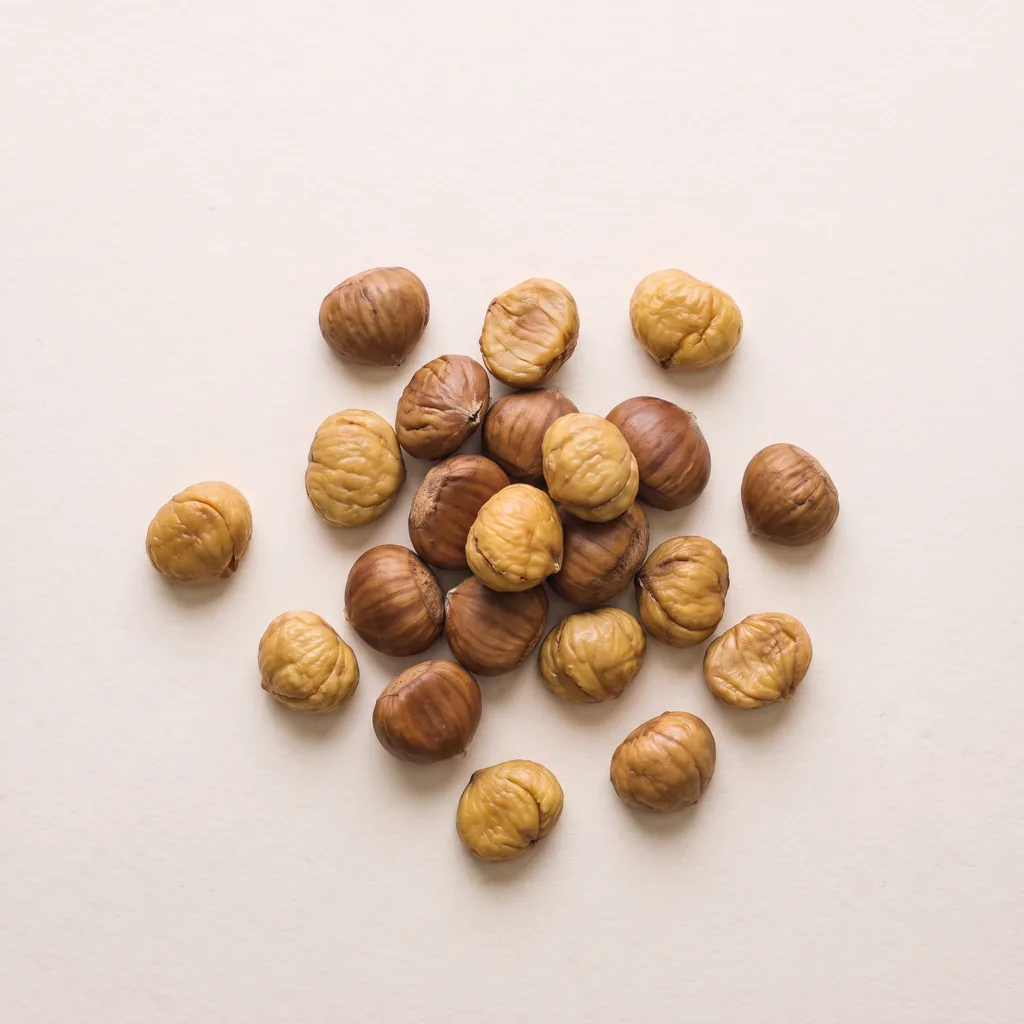
Cashew is one of the common allergens. Botanically a seed, it is grouped with tree nuts for allergy purposes. Its protein resembles that of pistachio, so around three quarters of children allergic to cashew also react to pistachio. Between 0.5 and 1.2 percent of the population has a tree nut allergy. It tends to stay for life, and only about one child in eleven grows out of it.
Sumac and pink peppercorn come from the same plant family as cashew (Anacardiaceae). People allergic to cashew might react to those spices. Mango sits in that family too, yet most cashew-allergic people can eat mango flesh with no problem.
Being allergic to one nut makes another allergy more likely. Still, you do not need to drop every nut. A varied diet counts for a child's growth and quality of life. With a cashew allergy, let an allergist decide which nuts are safe.
Most babies need no testing beforehand, even when allergy runs in the family. If your baby has severe eczema, has reacted to a food before, or may have a nut allergy, talk to a pediatrician or allergist before trying cashew at home. The doctor tells you whether to start at home or under clinic supervision. More and more evidence shows that giving allergens early protects, so do not wait longer than needed.
For the first try at home, give very little: a pinch of finely ground cashew, or an eighth of a teaspoon of smooth butter thinned with formula, breast milk or water. After the first time, keep offering it, ideally twice weekly. Stop only when signs of a reaction show up.