6 monthsStrip
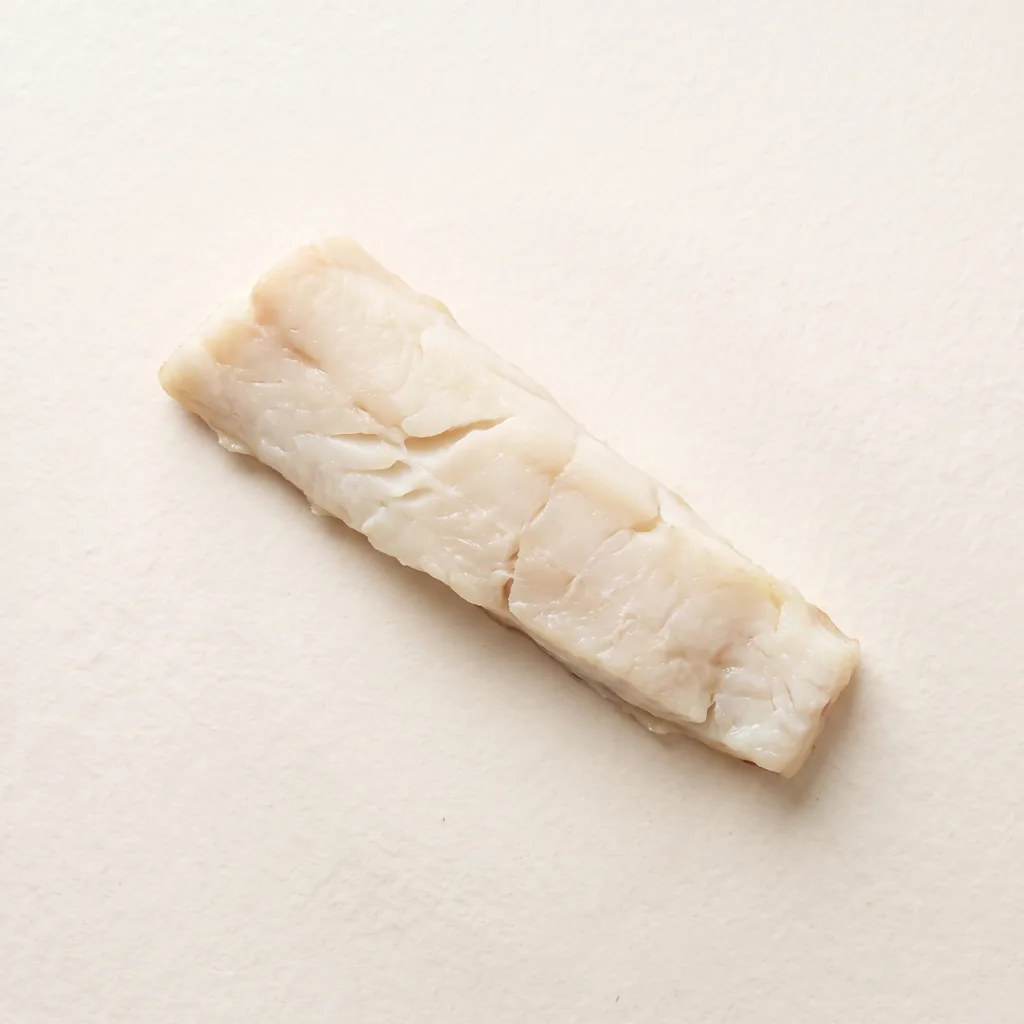
Cut: Finger strip
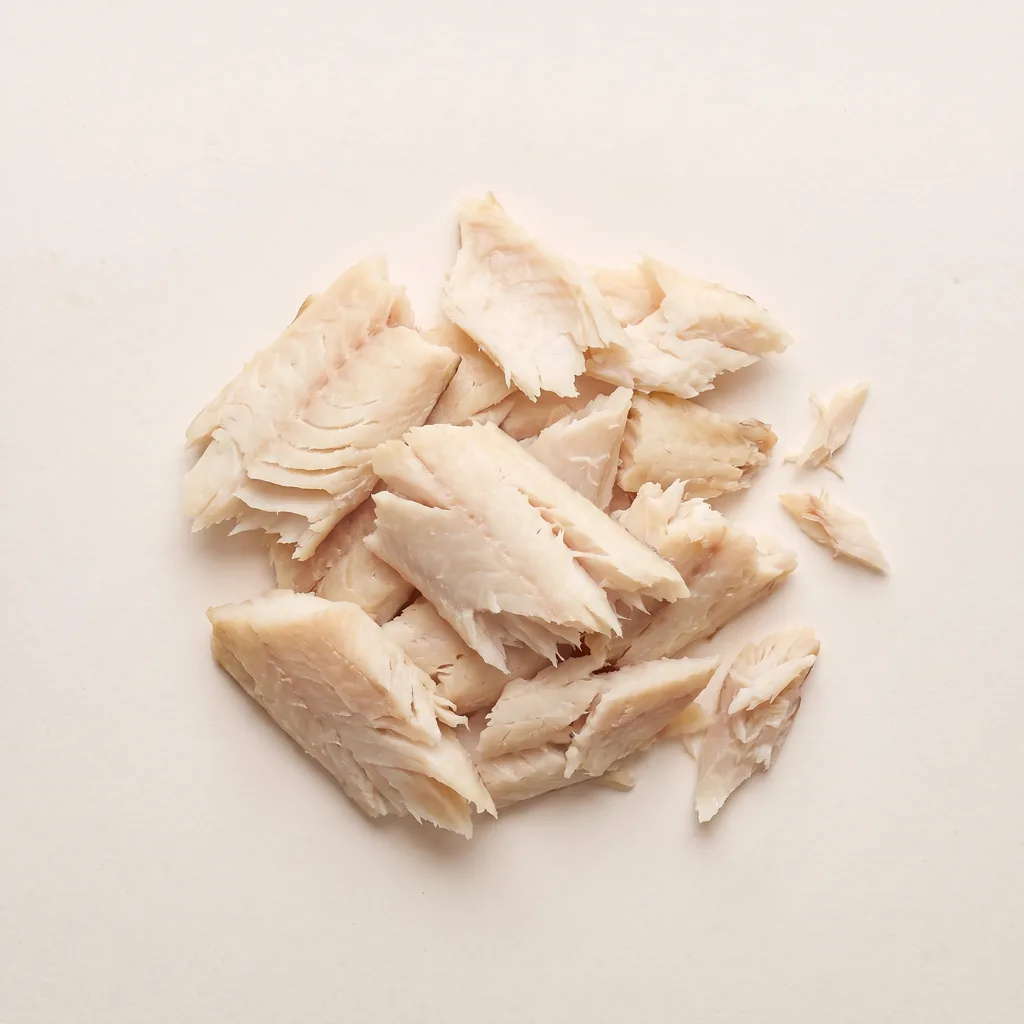
Cut a cooked, skinless and boneless fillet into a strip about two fingers wide. Your baby can hold it easily in a fist. You can also put flaked fish in a suction bowl. Keep the portion small for the first few meals.
Dietitian's view
Other types of fish are a sufficient alternative to catfish.
Lokmini is not a healthcare provider and does not offer health services. For your baby's specific needs, talk to your doctor or a dietitian.
Catfish can start when your baby is about 6 months old and ready for solids. The name comes from the whisker-like barbels around its mouth. It lives in fresh water around the world and in some seas. Once cooked, the meat tastes mild and breaks into flakes.
 Allergen, day 1/3
Fish gives protein and B vitamins. Vitamin B12 contributes to normal red blood cell formation. Catfish also has selenium and omega-3 fats, though less omega-3 than salmon, sardines or trout.
Species differ a lot. Mercury and other heavy metals build up in large, long-lived fish. So choose a small, short-lived fish from a known source. North American channel catfish is often suggested for this reason. Farmed channel catfish carries less mercury than wild fish, but it can have less omega-3. Skip imported farmed catfish when you do not know where it came from.
Also known as: kedi balığı, kedibalığı, kanal kedi balığı, catfish
So that any reaction can be linked to the right food, catfish is offered 3 days in a row and no other new food is tried on those days.
Start with a small amount in the morning or around midday. Your baby is watched closely for 5 to 10 minutes after the first bite.
Catfish is offered again the same way. No other new food is tried today.
If no reaction was seen, catfish is now part of your baby's meals. It keeps being offered regularly.
Emergency
If your baby has trouble breathing or swelling of the face or tongue, call 911 (or your local emergency number) right away.
FPIES warning
It is one of the known triggers of FPIES (a delayed-onset food allergy). In this condition, repeated severe vomiting, pallor and lethargy may occur, usually 1-4 hours after the food is eaten. Diarrhea may appear later. These symptoms require urgent medical evaluation.
Fish is a common food allergen. A small share of adults have a fish allergy, and most do not outgrow it. If allergies run in your family or you suspect a fish allergy, talk to an allergist before you offer it.
Offer only a tiny amount the first time. Watch your baby while they eat. If all is well, raise the portion over time.
Signs of a reaction
If you see lip or face swelling, hives, vomiting or trouble breathing, stop feeding and call a doctor.
6 monthsStrip
Cut: Finger strip
Cut a cooked, skinless and boneless fillet into a strip about two fingers wide. Your baby can hold it easily in a fist. You can also put flaked fish in a suction bowl. Keep the portion small for the first few meals.
9 monthsSlice
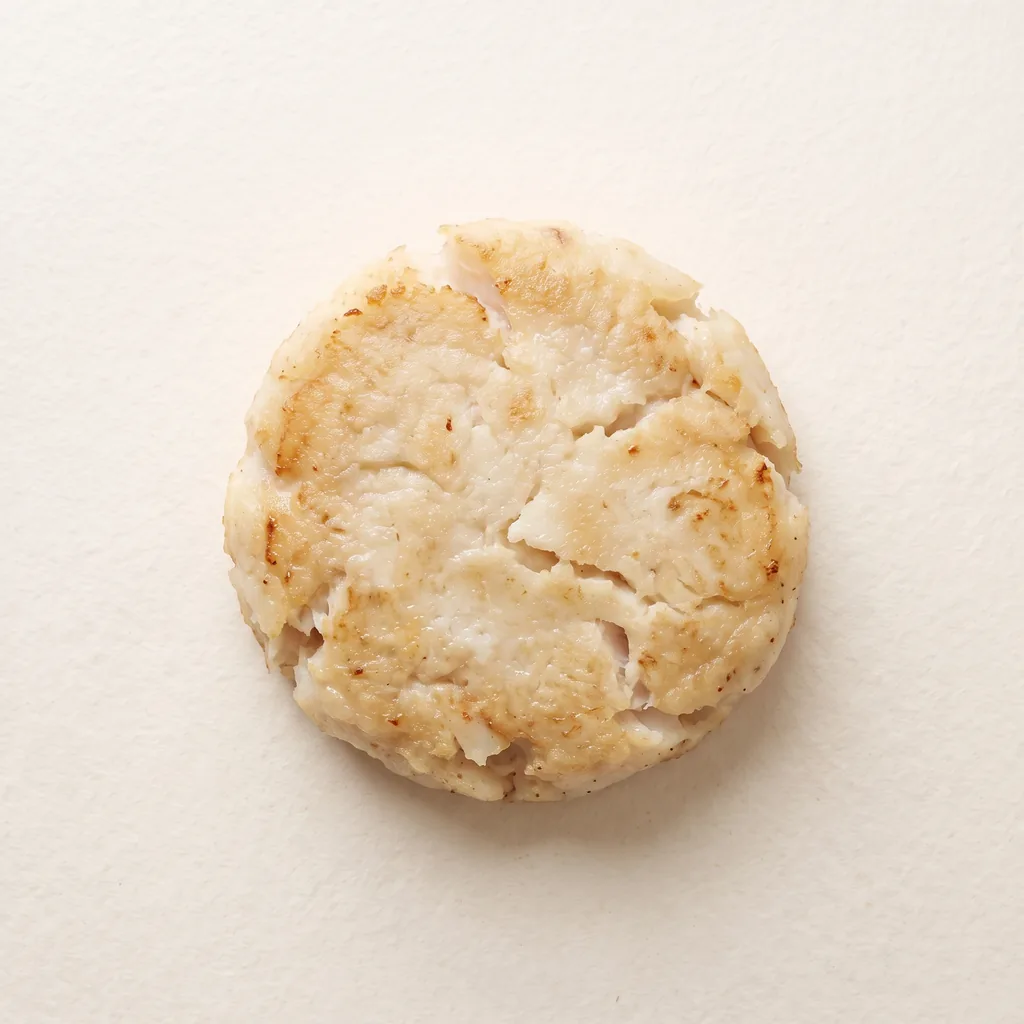
Shape flaked fish into soft patties and cook them. A flat patty is easy for a baby to hold alone, and babies tend to eat more of it. Press the mixture to check that no bones are left.
12 monthsCube
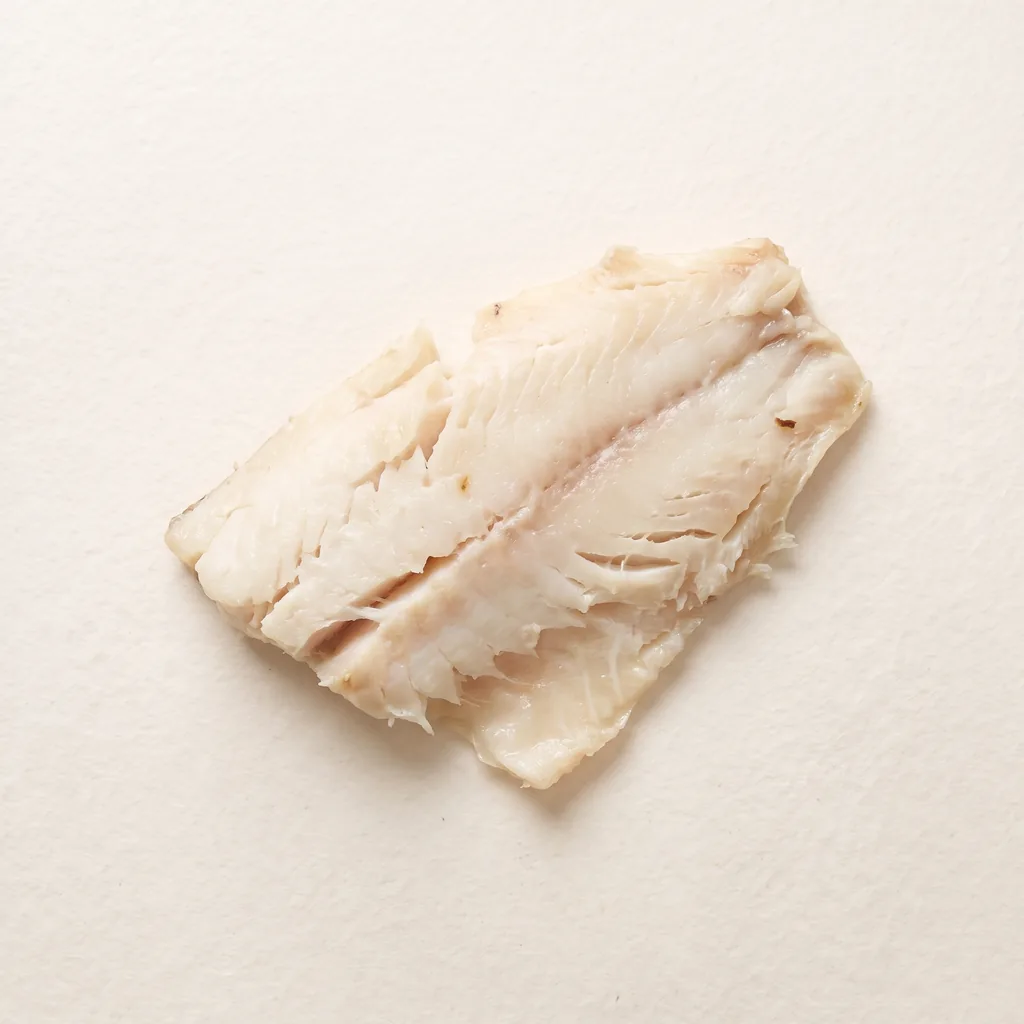
Cut: Shredded
Fold flaked fish into an omelet or a grain such as quinoa. Give your child a small fork and let them practice feeding alone. Check for stray bones every time.
Catfish meat is not a common choking risk. The trouble is bones and skin. Remove both before serving. Prepare the meat in a shape and size that suits your baby's age.
Check for bones
Even one small bone can catch in the throat. Go through the fish by hand at every meal.
Prepared by the Lokmini team | Last updated November 17, 2026
Join Lokmini to learn how this food is served at each age and to keep track of every food your baby tries.
Lokmini builds a day-by-day plan for your baby's age. Leave your email for new guides and our newsletter.
Start Your Journey