Skip to content

Dietitian's view

Napa cabbage is not a priority food in infant feeding.

Uzm. Dyt. Berk AysanPrepared the latest update, November 14, 2026

Lokmini is not a healthcare provider and does not offer health services. For your baby's specific needs, talk to your doctor or a dietitian.

  • Vegetables
  • 6 mo+
  • Low choking risk

Napa cabbage for babies: when to start

Napa cabbage can be offered cooked until soft once your baby is about 6 months old and ready for solids. It comes from East Asia. It is also known by names like baechu, dabaicai and hakusai. It belongs to the same plant family as cabbage, broccoli and kale, but it usually tastes milder.

  • Folate
  • Vitamin B6
  • Vitamin C
  • Vitamin K
  • Fiber
  • Antioxidants
Napa cabbage prepared for a baby

About Napa cabbage

Nutrition

Napa cabbage contains vitamins C and K, folate, vitamin B6 and fiber. It also provides potassium, calcium and carotenoids such as beta-carotene, which the body can turn into vitamin A.

Napa cabbage also contains natural plant compounds such as glucosinolates and phenolic compounds. Their effects on health are being studied, but it has not been clearly shown that they give babies any specific benefit.

Also known as: çin lahanası, pekin lahanası, napa lahanası, baechu, hakusai

  • Gluten-free
  • Vegan

How to prepare it by age

6 monthsMash or strip
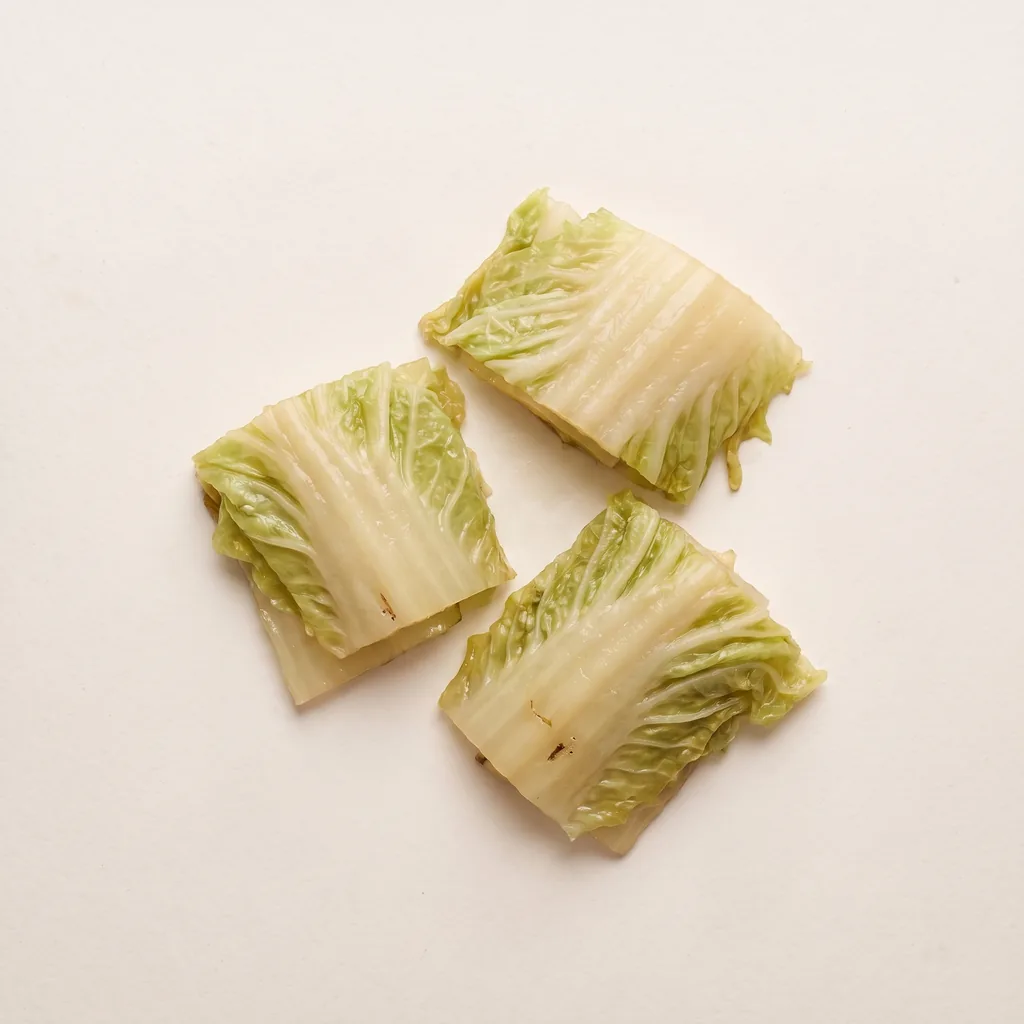
Napa cabbage prepared for 6 months

Cook the cabbage and chop or shred it very fine. Stir it into vegetable purée, porridge or another soft food. On its own, tiny pieces can cling to the tongue and cause gagging.

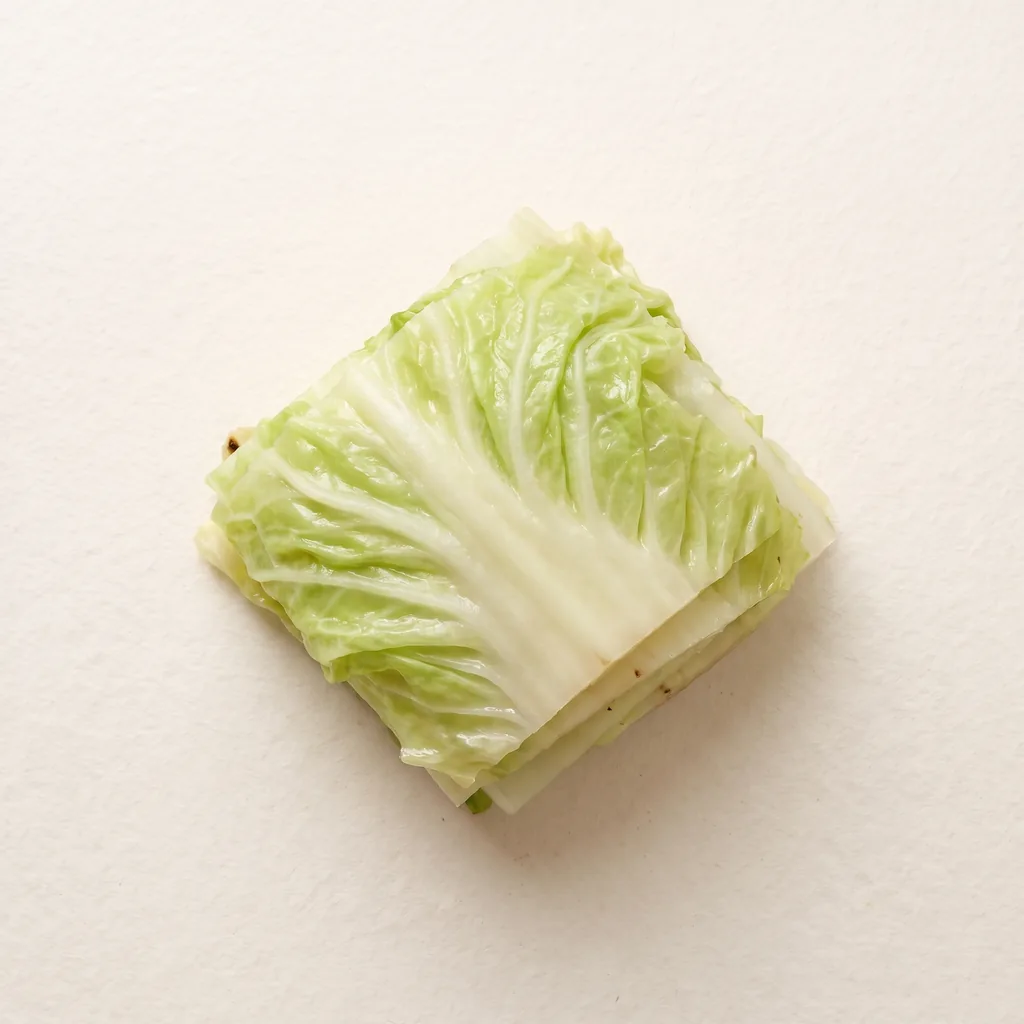
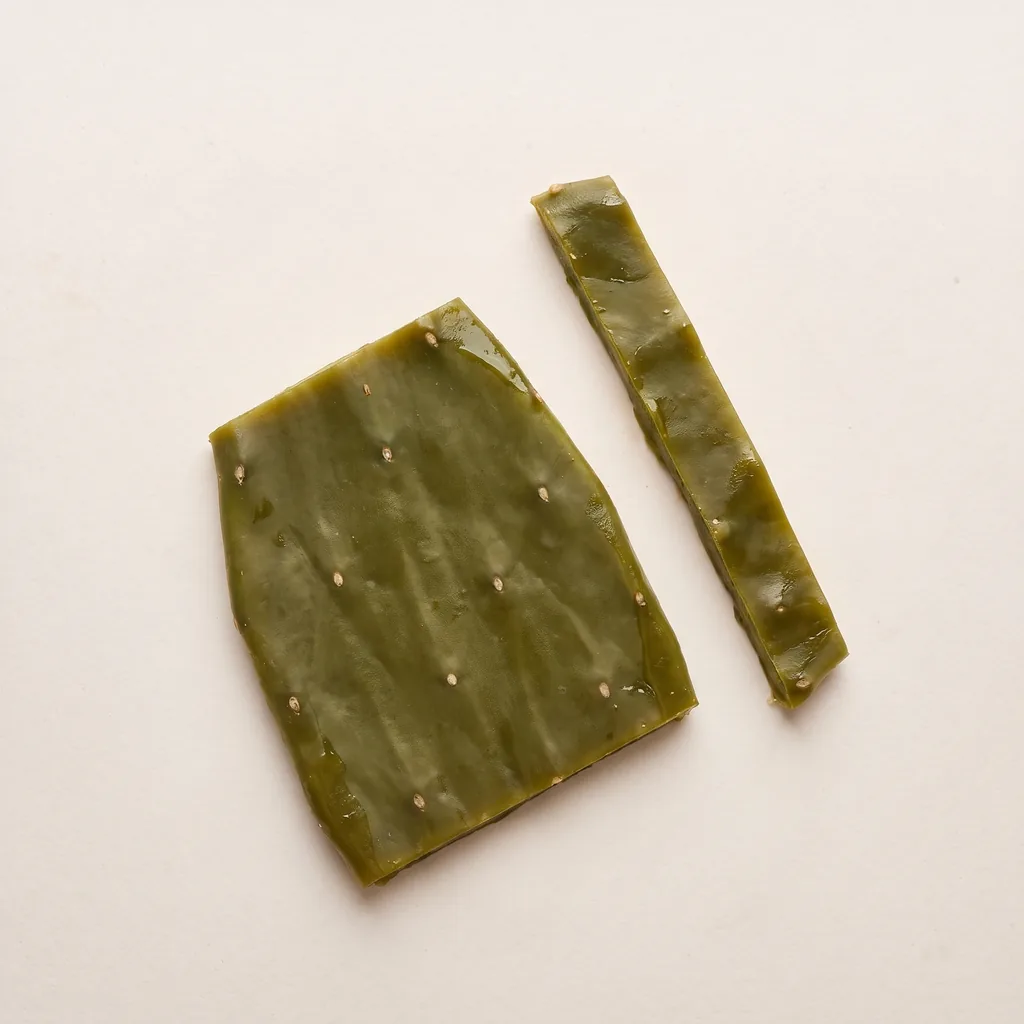
Cut: Finger strip

Offer the thick, firm stalk part of a leaf, either raw or cooked, minus the floppy leafy part removed. Baby will gnaw and teethe on it rather than swallow it, which builds mouth skills.
9 monthsCube

Cut: Finely chopped

Mix finely chopped cooked cabbage into soft food, porridge or stew. Pieces can stick to the tongue. Cook it until very soft, or let baby sip water from an open cup. You can keep offering a raw or cooked rib too.

12 monthsCube

Napa cabbage prepared for 12 months

Cut: Bite sized piece

Cut raw or cooked cabbage into bite-sized pieces for finger food or fork practice. For cabbage rolls, take them apart. Hand over one big cooked leaf to bite and rip, and the filling served apart. Trim or shrink any meat cubes and other choking hazards in the filling.

Choking risk

  1. Low
  2. Medium
  3. High

Well-cooked, properly prepared napa cabbage usually carries a low choking risk. But raw or hard leaf ribs can make chewing harder.

Thin pieces of leaf can stick to the tongue and palate and cause gagging or coughing. So cook the cabbage until soft, remove the hard ribs and serve it in a way that suits your baby's development.

During meals, make sure your baby sits upright, and stay within arm's reach.

Allergen information

Napa cabbage is not a common allergen. Still, allergic reactions to types of cabbage have been reported. Scientific data on how often allergies specific to napa cabbage occur are limited.

Napa cabbage belongs to the cruciferous family. Some people allergic to mustard greens or broccoli may also react to napa cabbage. But being from the same plant family does not mean an allergic reaction will always develop.

With some pollen allergies, cross-reactions with foods can cause itching, tingling or burning in the mouth. This is called pollen food allergy syndrome. But direct evidence of a link between napa cabbage and mugwort pollen is limited. Cooking can reduce some allergic reactions, but it does not stop all of them.

When you first offer napa cabbage, start with a small amount and watch your baby. If signs such as hives, swelling of the lips or vomiting develop, stop giving it and contact a health professional.

If you see serious signs such as trouble breathing, swelling of the tongue or throat, sudden marked weakness or loss of consciousness, call emergency services right away.

Frequently asked questions

What age can babies eat Napa cabbage?

Napa cabbage can be offered cooked until soft once your baby is about 6 months old and ready for solids. It comes from East Asia. It is also known by names like baechu, dabaicai and hakusai. It belongs to the same plant family as cabbage, broccoli and kale, but it usually tastes milder.

Is Napa cabbage a common allergen?

Napa cabbage is not a common allergen. Still, allergic reactions to types of cabbage have been reported. Scientific data on how often allergies specific to napa cabbage occur are limited.

How do you prepare Napa cabbage for babies?

For a 6-month-old: Cook the cabbage and chop or shred it very fine. Stir it into vegetable purée, porridge or another soft food. On its own, tiny pieces can cling to the tongue and cause gagging.

Is Napa cabbage a choking hazard for babies?

Well-cooked, properly prepared napa cabbage usually carries a low choking risk. But raw or hard leaf ribs can make chewing harder.

Does napa cabbage cause gas?

Because it is fibrous, it can cause brief gas in some babies. This is usually normal. You can offer napa cabbage in amounts that suit your baby's tolerance.

Can babies eat kimchi?

Traditional kimchi usually contains a lot of salt and hot spices, so it is not recommended, especially for babies under 12 months. It can also contain allergens such as fish sauce, shrimp and sesame. For babies, choose napa cabbage that is cooked soft, not spicy and made without added salt.

Can I give raw napa cabbage?

Raw napa cabbage is not recommended for young babies because its thick ribs are hard. Do not use it as a teether either. Once your child's chewing and swallowing skills are developed enough, you can try finely chopped raw leaves. Avoid large, hard pieces of the rib.
Share:WhatsApp

Want to add this food to your baby's solid food calendar?

Join Lokmini to learn how this food is served at each age and to keep track of every food your baby tries.

Join Lokmini

Starting Solids

When and how to start solids, and what happens in the first week?

Read the guide

Similar foods

Let's get ready for the first bite together

Lokmini builds a day-by-day plan for your baby's age. Leave your email for new guides and our newsletter.

Start Your Journey