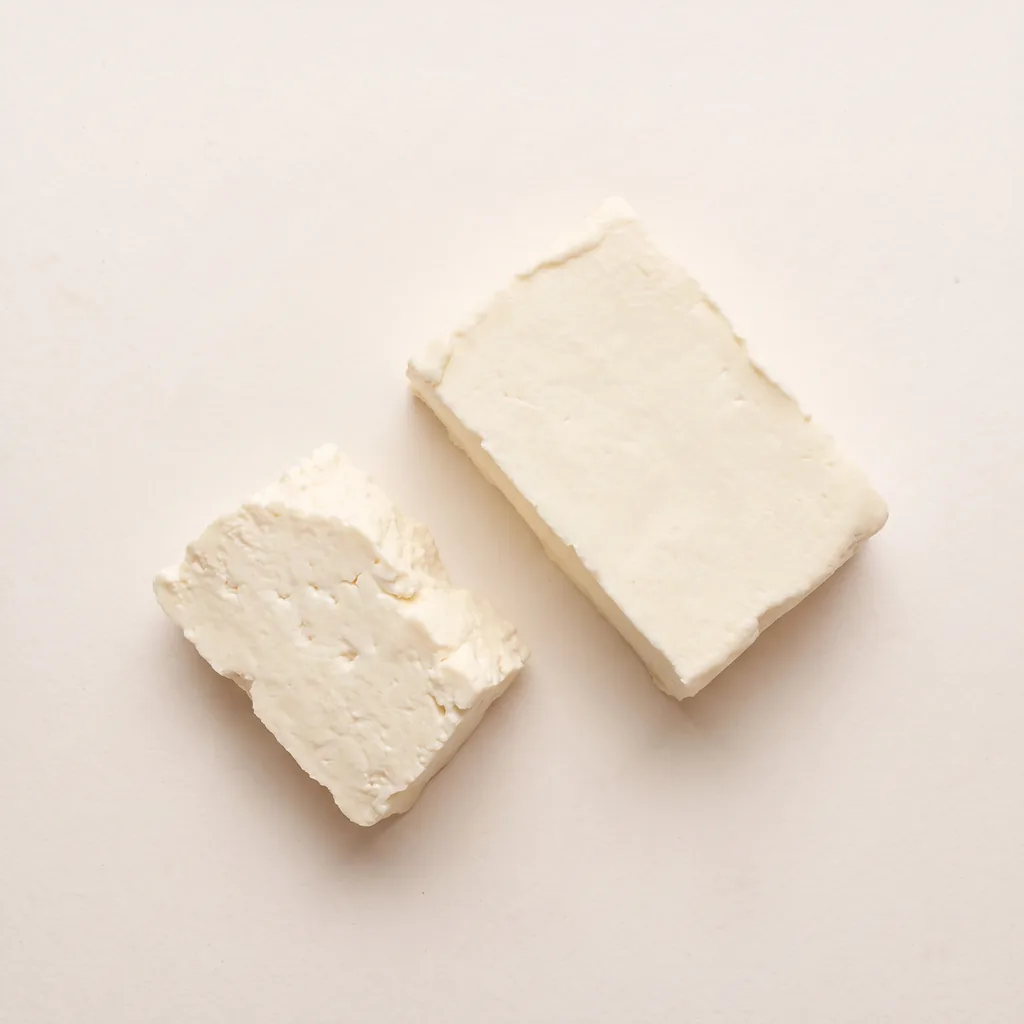
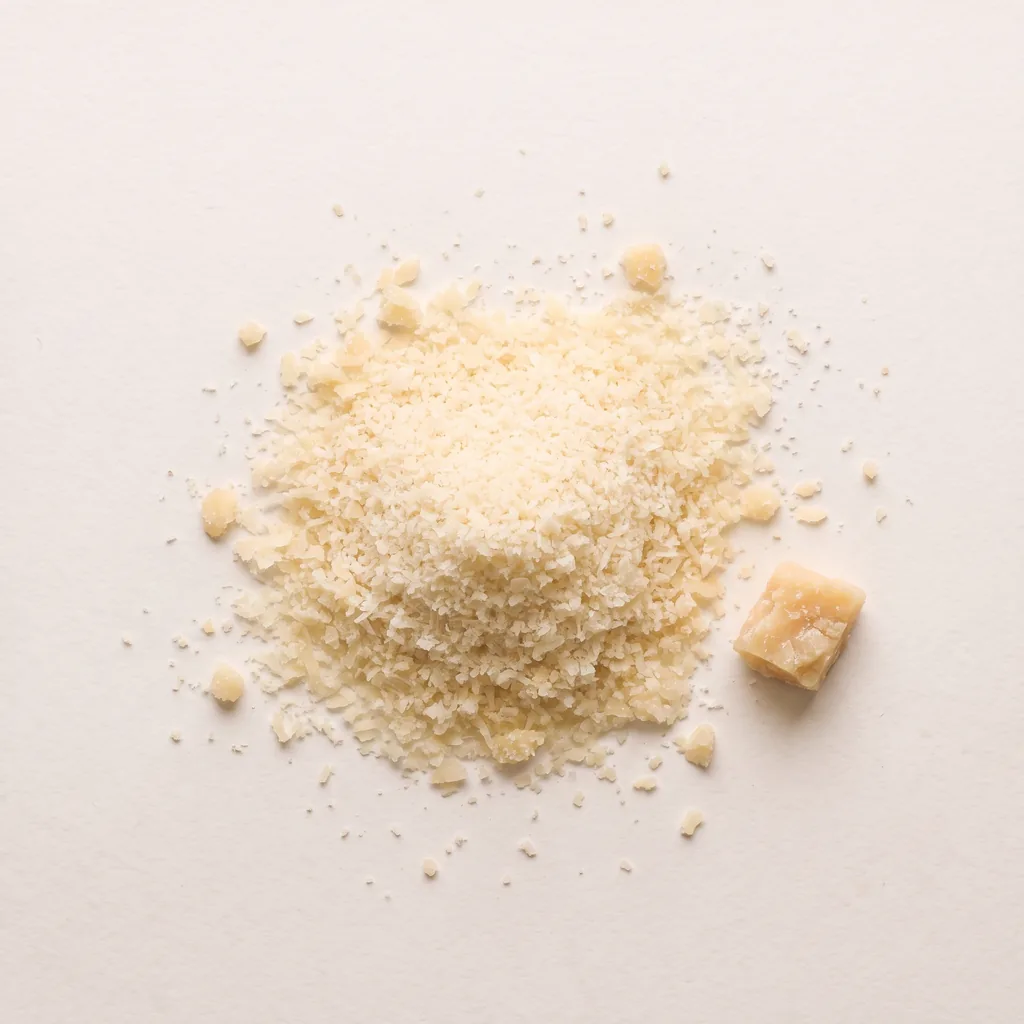
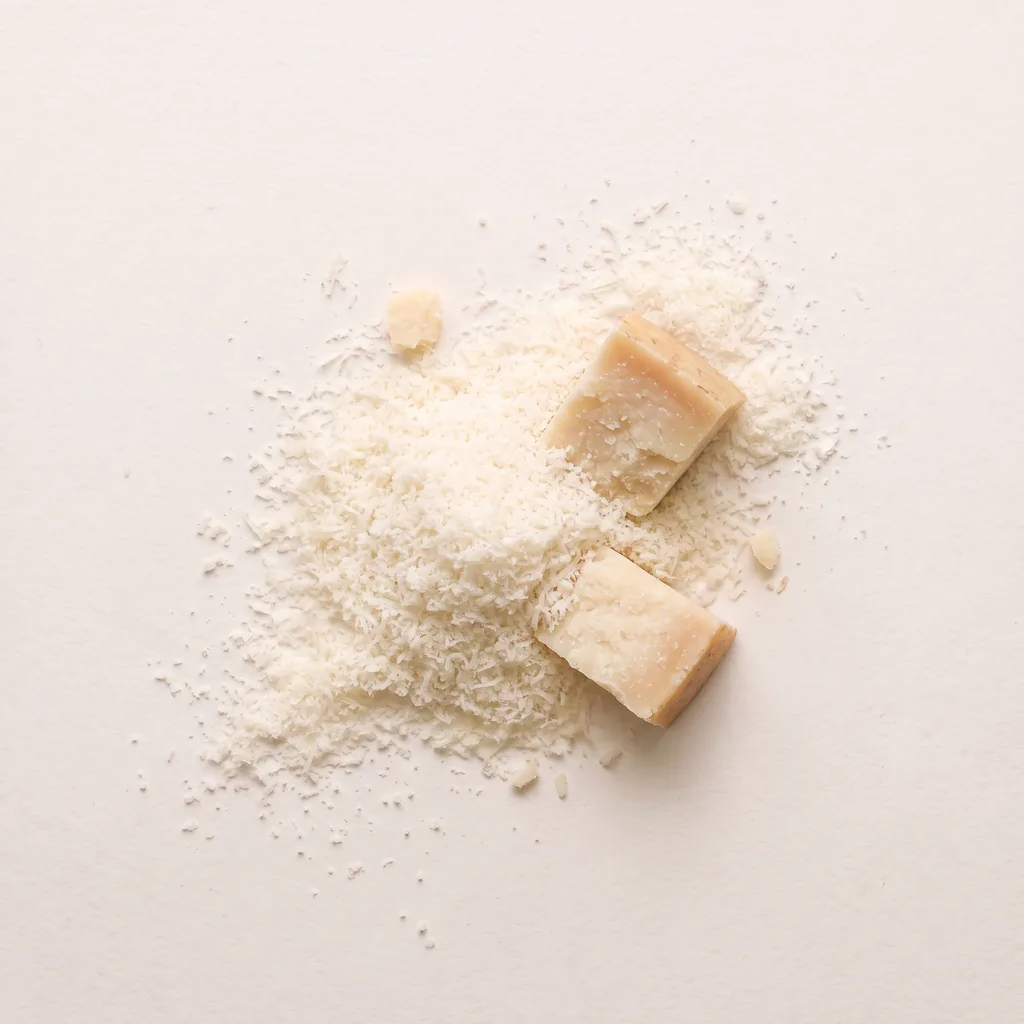
6 monthsStrip
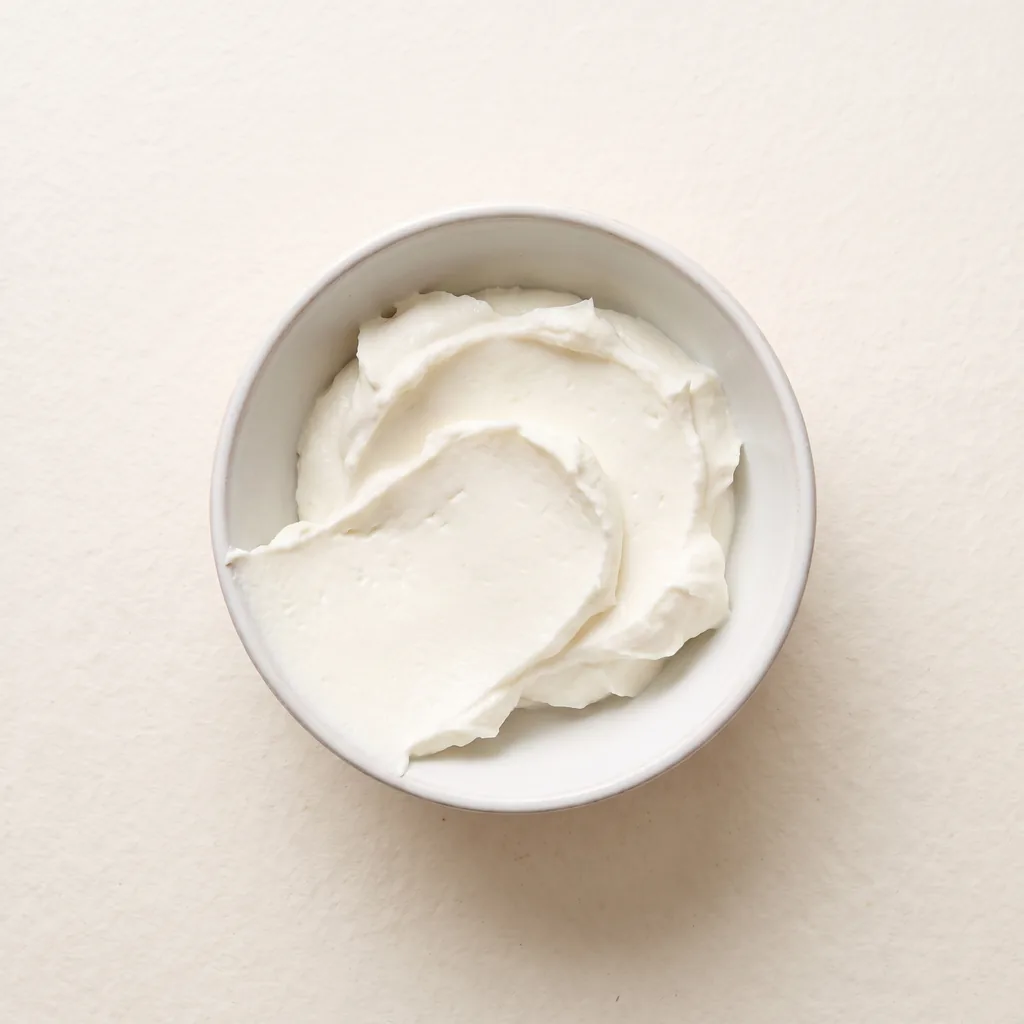
Coat a strip of toast, or half a toasted bagel, with a thin layer of pasteurized neufchâtel. It also blends into a pasta sauce, potato mash or scrambled egg. Avoid raw milk cheese and any version made with honey.
Dietitian's view
Traditional cheeses are a sufficient alternative to Neufchâtel.
Lokmini is not a healthcare provider and does not offer health services. For your baby's specific needs, talk to your doctor or a dietitian.
American-style neufchâtel is made from pasteurized cow's milk. It can be offered once baby is about 6 months old and ready for solids. The taste is fresh with a gentle tang, and the texture is much like cream cheese.
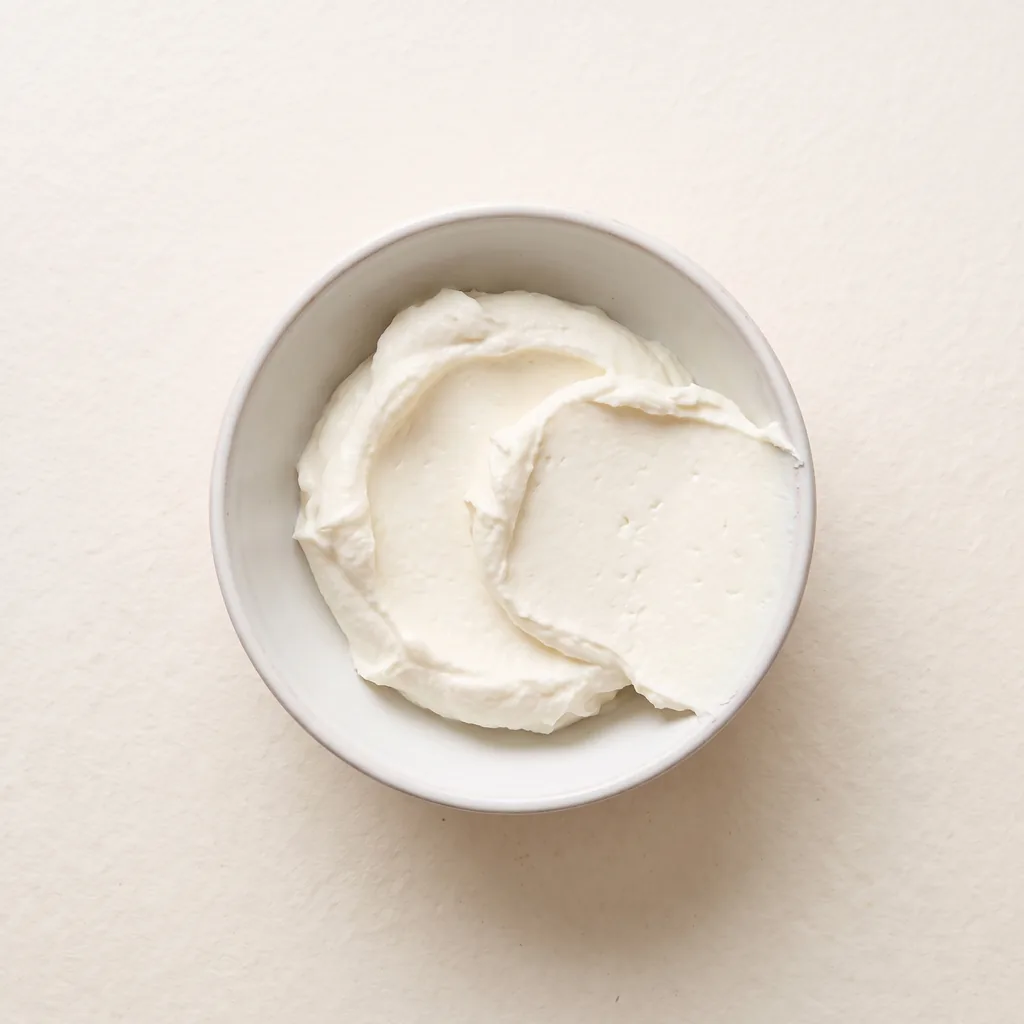 Allergen, day 1/3
French neufchâtel is quite different. It is made from raw milk, pressed into heart or brick shapes and mold-ripened. The American version adds cream to pasteurized milk, so it comes out close to cream cheese.
The American kind gives a little vitamin A, B12 and zinc.
No raw milk cheese
Traditional French neufchâtel carries a risk of bacteria such as listeria because of raw milk and mold ripening. It is not safe for babies and children.
Also known as: neufchâtel, neufchatel, Amerikan tipi neufchâtel, hafif krem peynir
So that any reaction can be linked to the right food, Neufchâtel is offered 3 days in a row and no other new food is tried on those days.
Start with a small amount in the morning or around midday. Your baby is watched closely for 5 to 10 minutes after the first bite.
Neufchâtel is offered again the same way. No other new food is tried today.
If no reaction was seen, Neufchâtel is now part of your baby's meals. It keeps being offered regularly.
Emergency
If your baby has trouble breathing or swelling of the face or tongue, call 911 (or your local emergency number) right away.
FPIES warning
It is one of the known triggers of FPIES (a delayed-onset food allergy). In this condition, repeated severe vomiting, pallor and lethargy may occur, usually 1-4 hours after the food is eaten. Diarrhea may appear later. These symptoms require urgent medical evaluation.
Neufchâtel is made from cow's milk. Cow's milk is a common allergen in young children and accounts for about one in five childhood food allergies. Milk from sheep, goat and buffalo can cause similar reactions.
The good news is that milk allergy often fades. Most children with cow's milk allergy outgrow it by age 6. Some babies with mild milk protein allergy can reintroduce milk around their first birthday with a doctor's guidance.
FPIES is a delayed reaction that begins hours after a meal with repeated vomiting and diarrhea, and dairy is one of its known triggers. Untreated, it can cause serious dehydration. FPIES that starts early is usually outgrown by 3 to 5 years.
Older children can have lactose intolerance. Neufchâtel contains lactose, and the digestive upset can be mistaken for an allergy.
If you suspect a dairy allergy, talk to an allergist before offering cheese. At the first meals, offer only a taste.
6 monthsStrip
Coat a strip of toast, or half a toasted bagel, with a thin layer of pasteurized neufchâtel. It also blends into a pasta sauce, potato mash or scrambled egg. Avoid raw milk cheese and any version made with honey.
9 monthsMash
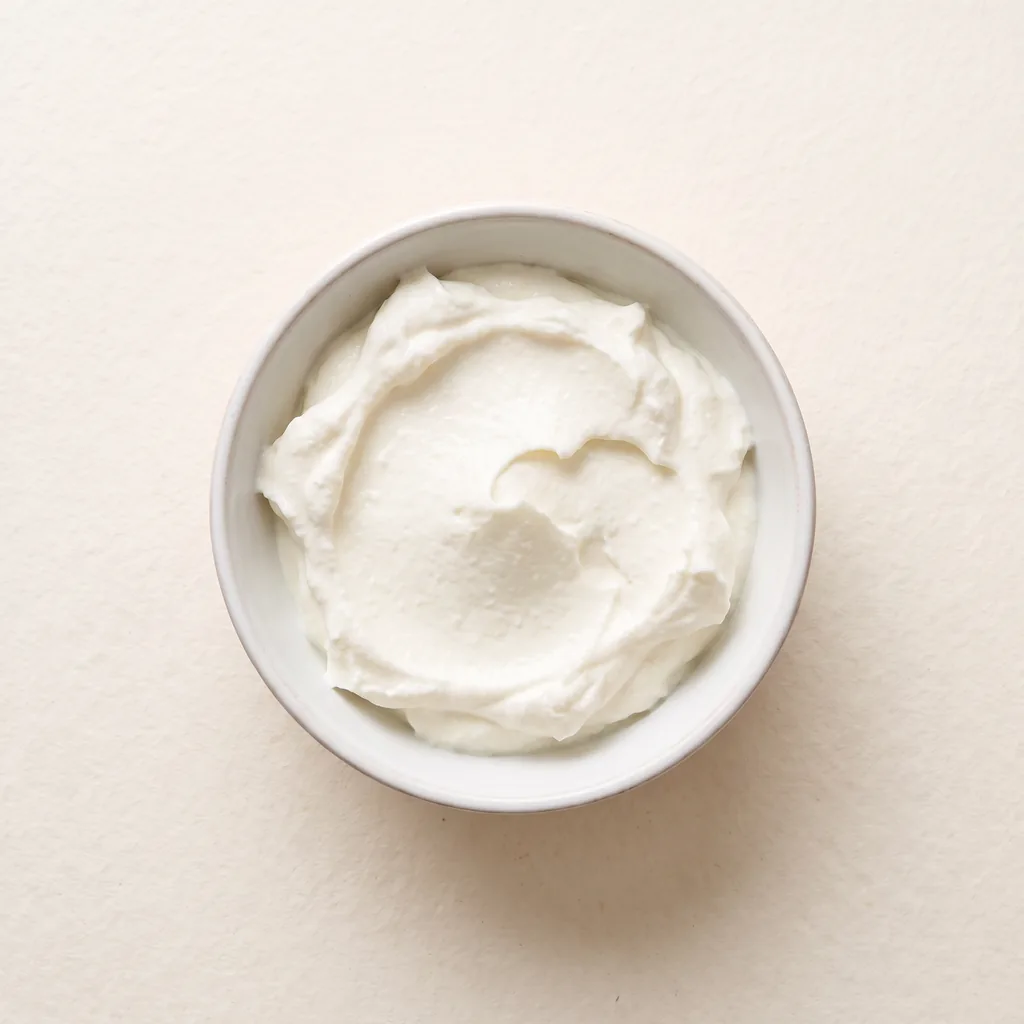
Whip the cheese, then let your baby dunk pieces of fruit or vegetable, cut to suit their age. You can also add it to omelet strips, mashed vegetables or grains.
12 monthsCube
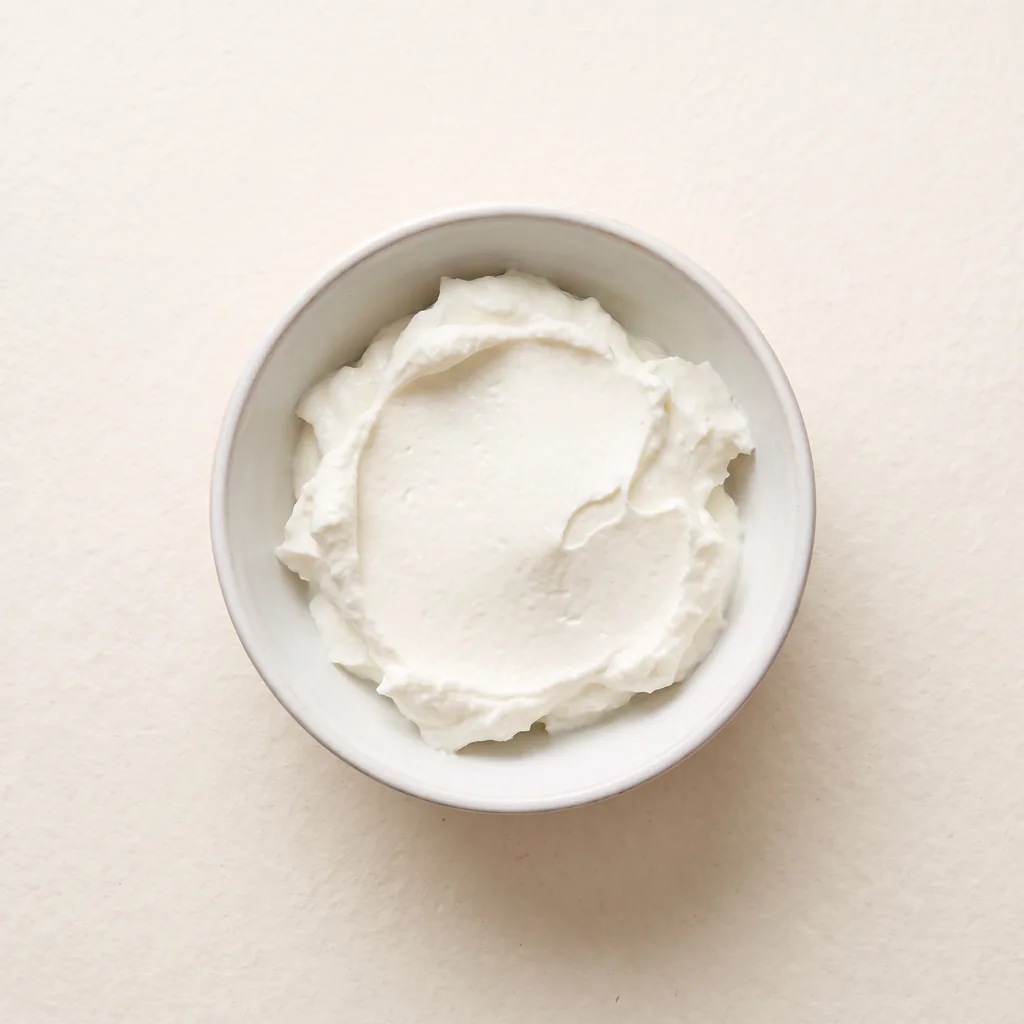
Pasteurized neufchâtel can be spread on foods that suit your child's age, worked into baking or family dishes, or served as a dip. Keep avoiding raw milk cheese.
A thick layer or a lump of cheese can cause choking. Spread a thin layer.
Stay within arm's reach of your baby during meals.
Prepared by the Lokmini team | Last updated November 18, 2026
Join Lokmini to learn how this food is served at each age and to keep track of every food your baby tries.
Lokmini builds a day-by-day plan for your baby's age. Leave your email for new guides and our newsletter.
Start Your Journey