Skip to content

Dietitian's view

Gorgonzola is a moldy cheese. Moldy cheeses are not needed in your baby's feeding.

Lokmini is not a healthcare provider and does not offer health services. For your baby's specific needs, talk to your doctor or a dietitian.

  • Cow's milk allergen
  • Dairy
  • 12 mo+
  • Medium choking risk

Gorgonzola for babies: when to start

Gorgonzola can be offered from 12 months at the earliest, and only if it is pasteurized. Soft, mold-ripened cheeses carry a higher risk of foodborne illness.

  • Protein
  • Calcium
  • Fat
Gorgonzola prepared for a babyAllergen, day 1/3

About Gorgonzola

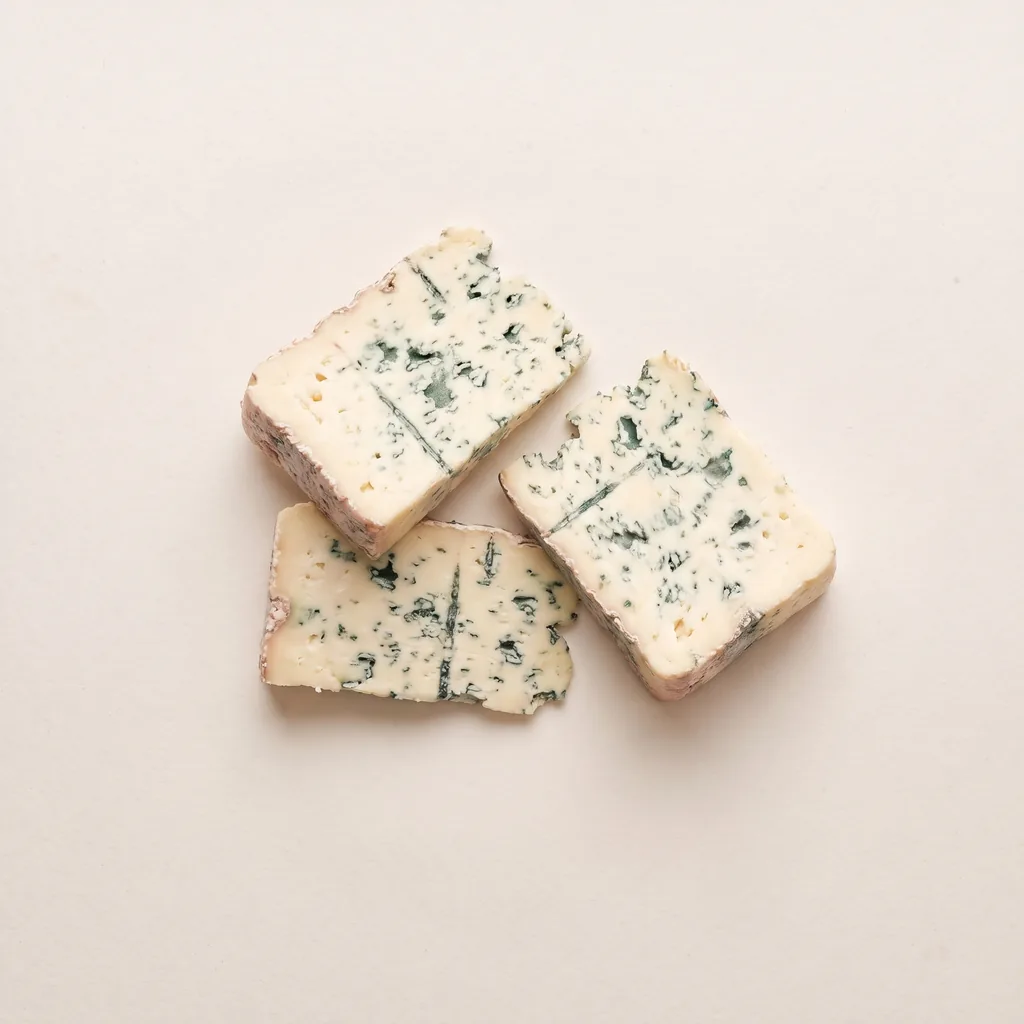
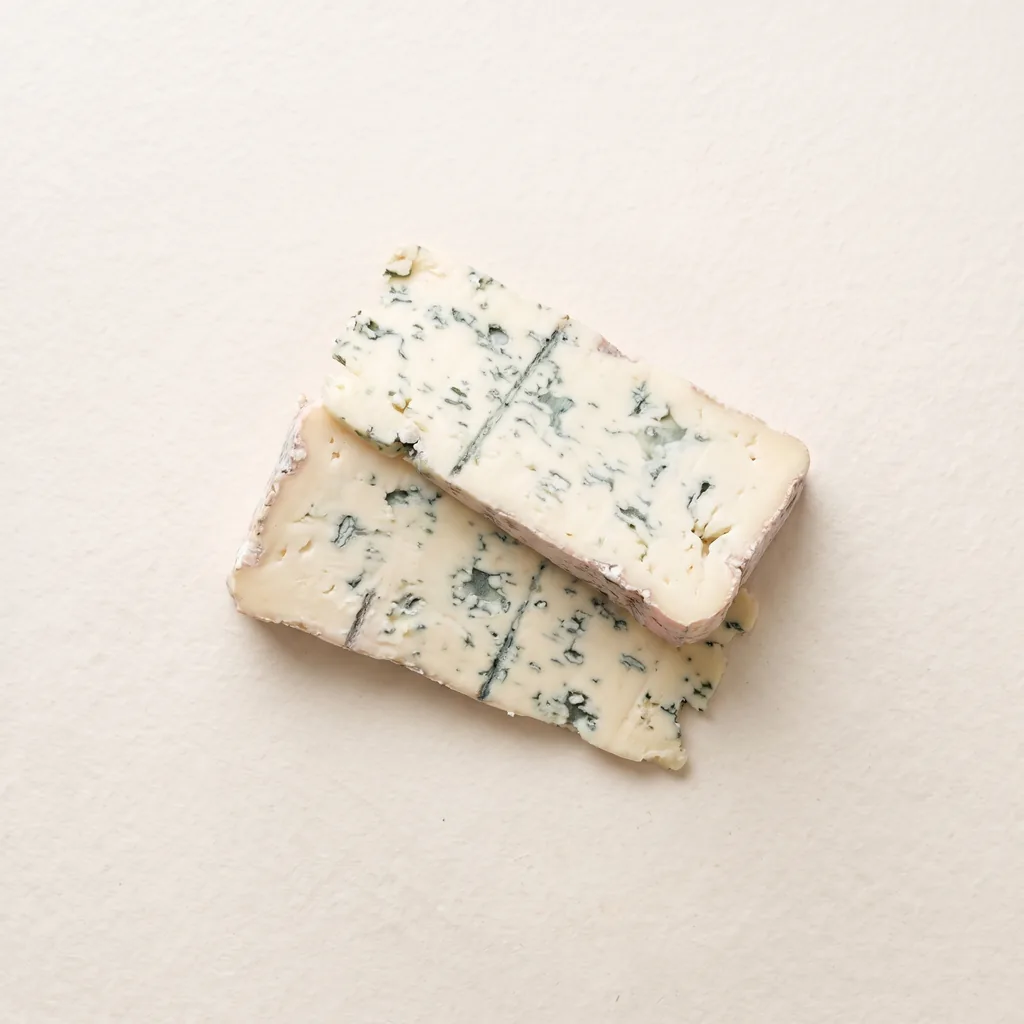
Gorgonzola is a blue cheese. It comes from the Italian area that carries its name and has protected origin status (PDO). It has two main types. The sweet type, dolce, makes up most of production, and the sharper type is piccante. It is made from cow's milk. Traditionally, a fresh batch of curd is layered onto the previous evening's batch. This creates the crevices where mold takes hold. The blue and green veins that give the cheese its rich, tangy taste come from this.

Also known as: gorgonzola, gorgonzola peyniri, mavi peynir, küflü peynir

  • Gluten-free
  • Vegetarian
  • Contains dairy

Gorgonzola is offered 3 days in a row

So that any reaction can be linked to the right food, Gorgonzola is offered 3 days in a row and no other new food is tried on those days.

  1. 1/3

    First taste

    Start with a small amount in the morning or around midday. Your baby is watched closely for 5 to 10 minutes after the first bite.

  2. 2/3

    Same food, same calm

    Gorgonzola is offered again the same way. No other new food is tried today.

  3. 3/3

    Introduction done

    If no reaction was seen, Gorgonzola is now part of your baby's meals. It keeps being offered regularly.

Emergency

If your baby has trouble breathing or swelling of the face or tongue, call 911 (or your local emergency number) right away.

About Gorgonzola allergy

FPIES warning

It is one of the known triggers of FPIES (a delayed-onset food allergy). In this condition, repeated severe vomiting, pallor and lethargy may occur, usually 1-4 hours after the food is eaten. Diarrhea may appear later. These symptoms require urgent medical evaluation.

Gorgonzola usually starts as cow's milk, though sheep or goat milk is sometimes used. Milk is a common allergen in young children. In the US about one in five childhood food allergies is milk allergy. Milk allergy usually refers to cow's milk, but dairy from ruminants such as sheep, goats and buffalo can cause similar reactions.

The good news is that milk allergy usually fades. Most children with cow's milk allergy outgrow it by age 6. Many babies with mild signs, such as painless blood in the stool, can retry milk around the first birthday with a doctor's guidance. Histamine in aged cheeses can cause a rash in sensitive children.

Dairy is also a frequent trigger of FPIES, a delayed allergy. Repeated vomiting and diarrhea start a few hours after eating. Left untreated it can lead to serious dehydration. FPIES that starts early usually fades by ages 3 to 5. The exact rate is unknown and it is thought to be uncommon.

Lactose intolerance is uncommon in babies and young children. Aged cheeses are low in lactose, so many people with lactose intolerance handle them better. When your child is lactose intolerant, keep offering other foods rich in calcium on a regular basis.

If you suspect a milk allergy, see an allergist before offering cheese. The allergist may order tests, or may supervise the first taste at the clinic. For low-risk babies, starting at home may be advised. Begin with a small amount and raise it over later meals if nothing happens.
How to prepare it by age

12 monthsSlice or cube

Gorgonzola prepared for 12 months

Serve pasteurized gorgonzola as flat slices or spread thinly on toast strips. To lower the risk of illness further, prefer dishes cooked until the inside reaches at least 74 C (165 F), such as casseroles and cooked sauces. Make sure your child's portion has no large, firm melted lumps.

Cut: Shredded

Offer pasteurized gorgonzola as flat, bite-sized crumbles. Before serving, think about your child's health and where the cheese comes from. Never give cheese made from raw milk.

Choking risk

  1. Low
  2. Medium
  3. High

Gorgonzola and similar cheeses are firm and clump in the mouth, so they are tough to manage. This raises the choking risk.

Prepare it for your child's age: flat slices or flat crumbles. Avoid large, firm, melted lumps. Stay beside your child during the meal.

Frequently asked questions

Is Gorgonzola a common allergen?

Gorgonzola usually starts as cow's milk, though sheep or goat milk is sometimes used. Milk is a common allergen in young children. In the US about one in five childhood food allergies is milk allergy. Milk allergy usually refers to cow's milk, but dairy from ruminants such as sheep, goats and buffalo can cause similar reactions.

How do you prepare Gorgonzola for babies?

For a 12-month-old: Serve pasteurized gorgonzola as flat slices or spread thinly on toast strips. To lower the risk of illness further, prefer dishes cooked until the inside reaches at least 74 C (165 F), such as casseroles and cooked sauces. Make sure your child's portion has no large, firm melted lumps.

Is Gorgonzola a choking hazard for babies?

Gorgonzola and similar cheeses are firm and clump in the mouth, so they are tough to manage. This raises the choking risk.

When can a baby have gorgonzola?

At 12 months at the earliest, and only the pasteurized kind. Using it in a cooked dish lowers the risk further.

Why is gorgonzola risky?

Soft mold-ripened cheeses can carry bacteria such as Listeria. Illness can be more severe in babies.

What inside temperature should gorgonzola reach?

If cooked, the inside should reach at least 74 C (165 F).

Can a child with milk allergy eat gorgonzola?

Not without asking an allergist first. The cheese is made from cow, sheep or goat milk.

Prepared by the Lokmini team | Last updated November 17, 2026

Share:WhatsApp

Want to add this food to your baby's solid food calendar?

Join Lokmini to learn how this food is served at each age and to keep track of every food your baby tries.

Join Lokmini

Starting Solids

When and how to start solids, and what happens in the first week?

Read the guide

Similar foods

Let's get ready for the first bite together

Lokmini builds a day-by-day plan for your baby's age. Leave your email for new guides and our newsletter.

Start Your Journey