Skip to content
  • Fruits
  • 6 mo+
  • Medium choking risk

Blackberry for babies: when to start

Blackberries can be served around 6 months, once baby is ready.

  • Fiber
  • Vitamin C
  • Anthocyanins
  • Flavanols
  • Phenolic acids
Blackberry prepared for a baby

About blackberry

Blackberry grows in temperate climates and is found on every continent except Antarctica. The leaves, roots and stems of the plant have also been put to many uses. Wild crossing and farming have produced a large family. Boysenberry, dewberry, loganberry, marionberry and tayberry are some of them.

Nutrition

Blackberries hold plenty of fiber. Vitamin C contributes to the normal function of the immune system and increases iron absorption. They carry antioxidant plant compounds such as anthocyanins, flavanols and phenolic acids. Few foods have as many antioxidants.

Also known as: kara dut, böğürtlen meyvesi, karayemiş

  • Gluten-free
  • Vegan

How to prepare it by age

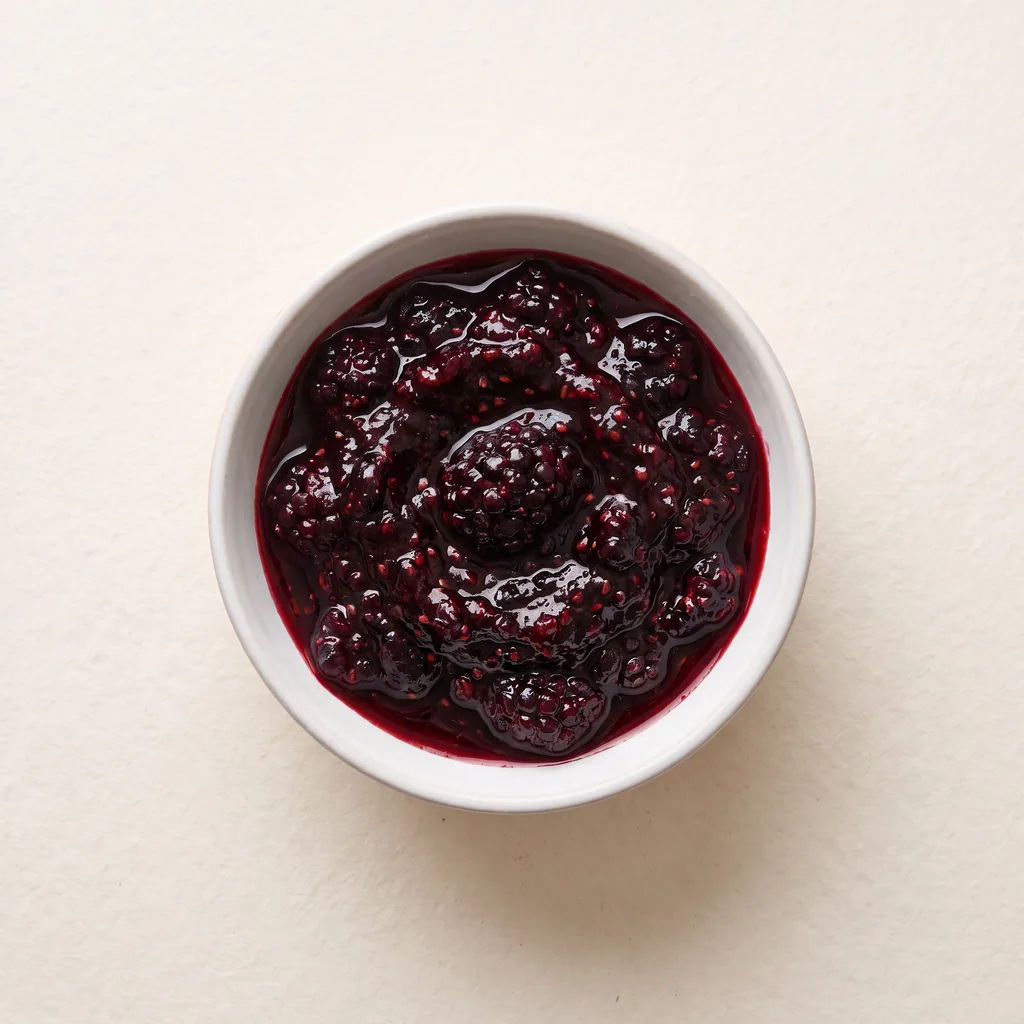
6 monthsMash

Blackberry prepared for 6 months

Cook ripe fresh or frozen berries until they burst. Another way is to crush very soft, ripe berries between your fingers or with the back of a fork. Mix the mash into porridge, ricotta or yogurt. Berries baked into muffins or pancakes can stay whole or chopped, since heat softens them.
9 monthsCube

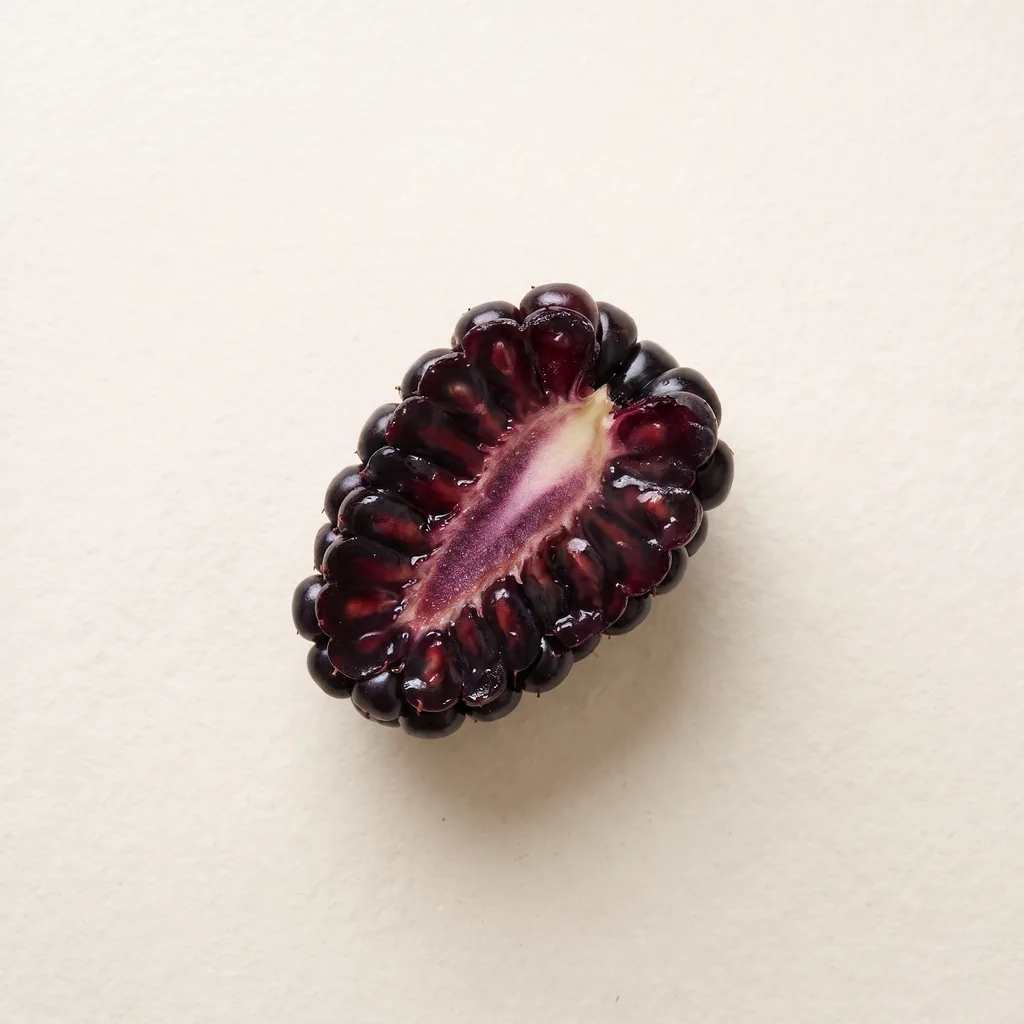
Cut: Quartered

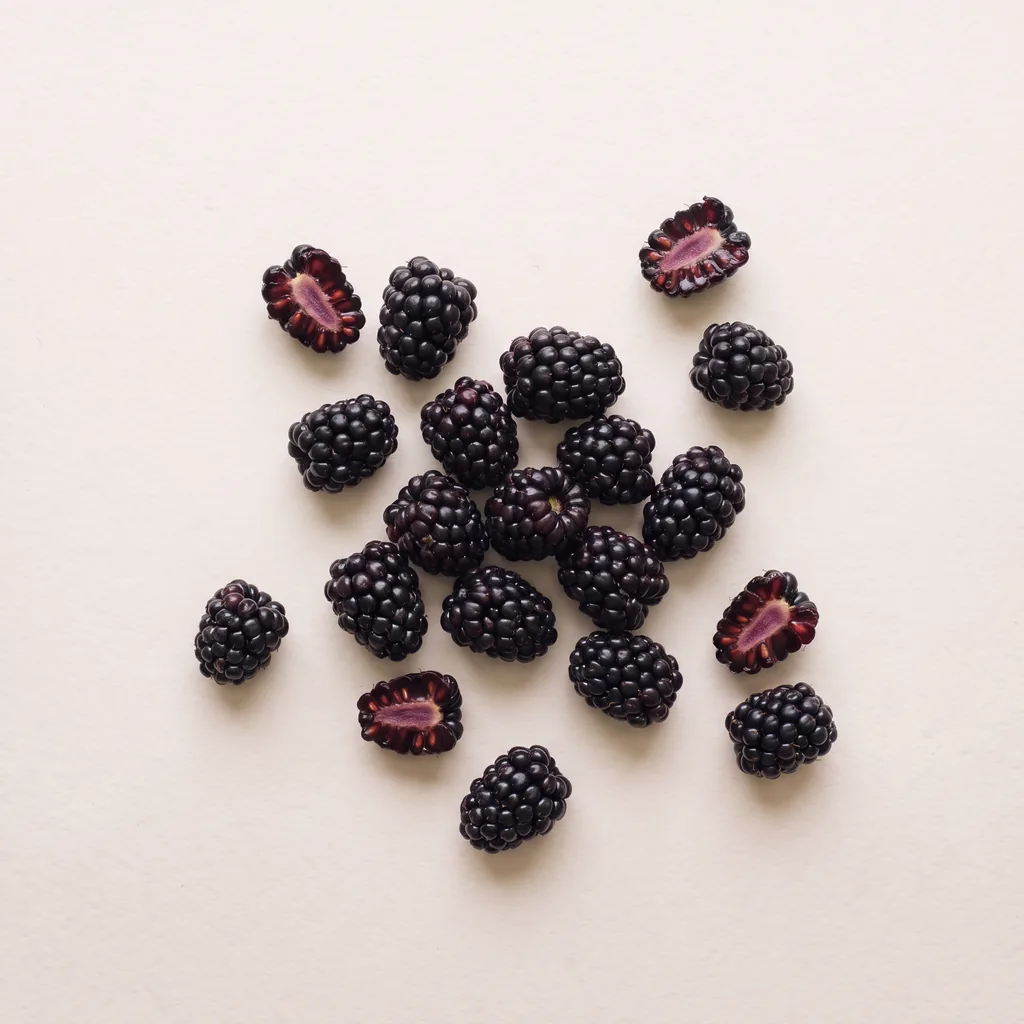
Cut ripe, soft berries into quarters lengthwise and serve as finger food. When ready, halves are fine. When your child crams in handfuls, put the halves straight on the tray or table instead of a bowl. That slows things down and they eat one at a time. Mash and bite-sized pieces of baked goods with cooked berries still work.

12 monthsSlice

Blackberry prepared for 12 months

At this age many children can eat ripe berries whole. For whole berries, choose the largest, softest ones, roughly half the width of your child's palm. A large berry is actually less risky than a small one, which can match the size of the windpipe. Risk rises as berries get smaller and firmer. Keep quartering or halving when needed.

Choking risk

  1. Low
  2. Medium
  3. High

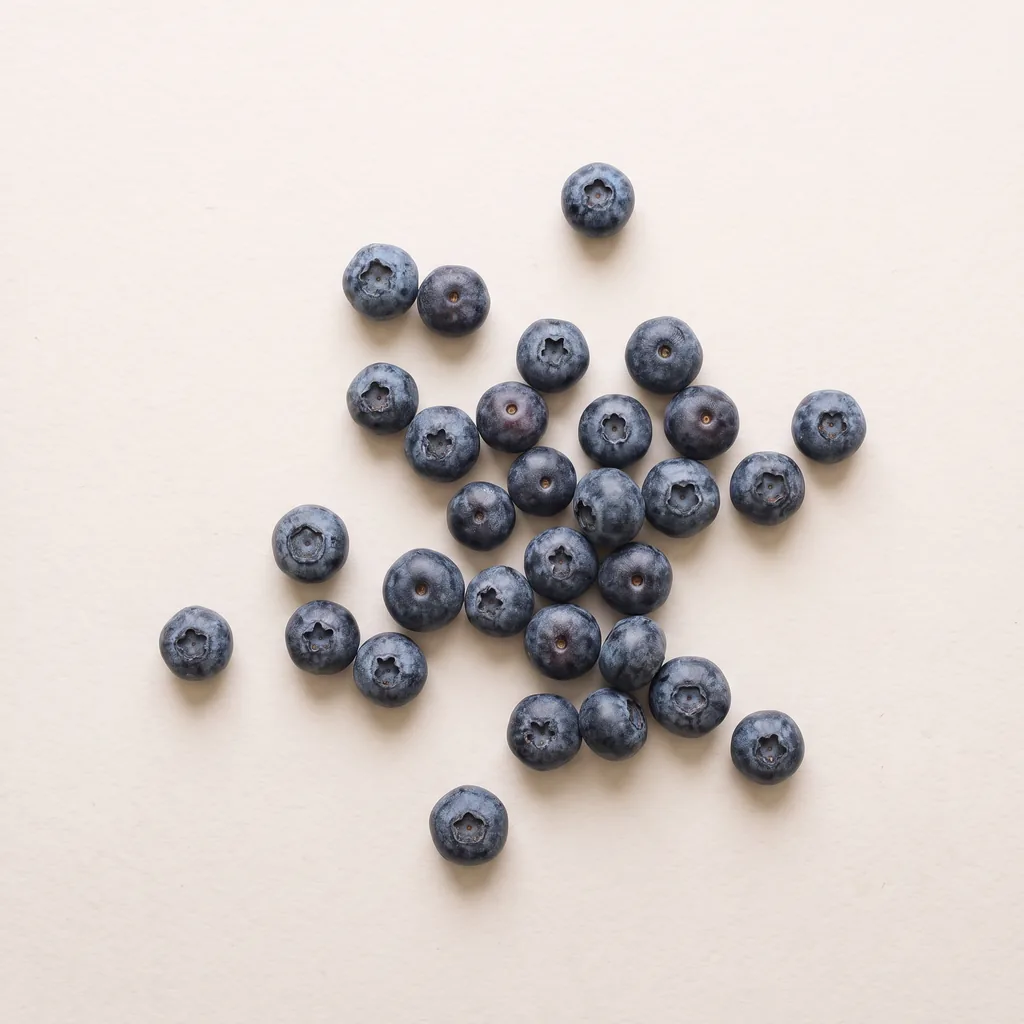
Blackberries are small, round and sometimes firm, so they can be a choking risk for babies. Do not serve whole, firm blackberries as they are.

Mash, flatten or split blackberries lengthwise to suit your baby's age and chewing skills. Choose ripe, soft fruit.

Your baby should sit upright and steady throughout the meal, always supervised and within arm's reach.

Allergen information

Blackberry is not a common food allergen. Allergic reactions to blackberry have rarely been reported, but scientific data on how often they occur, especially in babies, is limited.

First try

When you offer blackberries for the first time, start with a small amount and watch for signs of allergy. If there is no reaction, you can increase the amount at later meals to suit your baby's appetite and tolerance.

Mild redness around the mouth does not always mean an allergy. But if signs such as hives, swelling of the lips or face, or repeated vomiting develop, stop giving blackberries and get a medical assessment. For serious signs such as trouble breathing or swelling of the tongue and throat, call emergency services right away.

Frequently asked questions

Is blackberry a common allergen?

Blackberry is not a common food allergen. Allergic reactions to blackberry have rarely been reported, but scientific data on how often they occur, especially in babies, is limited.

How do you prepare blackberry for babies?

For a 6-month-old: Cook ripe fresh or frozen berries until they burst. Another way is to crush very soft, ripe berries between your fingers or with the back of a fork. Mix the mash into porridge, ricotta or yogurt. Berries baked into muffins or pancakes can stay whole or chopped, since heat softens them.
Is blackberry a choking hazard for babies?

Blackberries are small, round and sometimes firm, so they can be a choking risk for babies. Do not serve whole, firm blackberries as they are.

When can babies eat blackberries?

Blackberries can be offered around 6 months, once your baby is ready for solids.

Can I use frozen blackberries?

Yes, but cook them. Cooking until they burst softens them and lowers the choking risk.

What if my child stuffs their mouth?

Put a small amount of food in front of your child at a time, and give more as they finish. Show them how to take small bites. Do not give new food while their mouth is full, and stay with them throughout the meal.

Prepared by the Lokmini team | Last updated November 19, 2026

Share:WhatsApp

Want to add this food to your baby's solid food calendar?

Join Lokmini to learn how this food is served at each age and to keep track of every food your baby tries.

Join Lokmini

Starting Solids

When and how to start solids, and what happens in the first week?

Read the guide

Similar foods

Let's get ready for the first bite together

Lokmini builds a day-by-day plan for your baby's age. Leave your email for new guides and our newsletter.

Start Your Journey