In short
• In England, the National Health Service (NHS) recommends daily drops containing vitamins A, C and D for all children aged 6 months to 5 years [1].
• A baby having more than 500 millilitres of formula a day should not have these drops. Formula is fortified with these vitamins [1].
• The American Academy of Pediatrics (AAP) notes that healthy children on a balanced diet do not need vitamin supplements above daily requirements [2].
• In Turkey, the Ministry of Health recommends vitamin D drops for all babies throughout the first year [5].
Advice differs by country
The UK government recommends that all children aged 6 months to 5 years are given a daily supplement containing vitamins A, C and D. The NHS advises that babies having more than 500 millilitres of formula a day should not be given these drops. This is because formula is fortified with vitamins A, C and D [1]. The AAP takes a different approach. According to the AAP, healthy children on a normal, well-balanced diet do not need vitamin supplements above the recommended daily amounts [2]. The AAP notes that breast milk contains a natural balance of vitamins, especially C, E and the B vitamins. If mother and baby are healthy and the mother is well nourished, the baby may not need supplements of these vitamins. A breastfed baby still needs vitamin D [3]. In Turkey, the Ministry of Health recommends vitamin D drops for all babies from the first day of life to the end of the first year. The Ministry supplies the drops and family doctors hand them out [5]. If you are thinking of giving your baby vitamin A or C drops, talk to your pediatrician first [2].
What does vitamin A do?
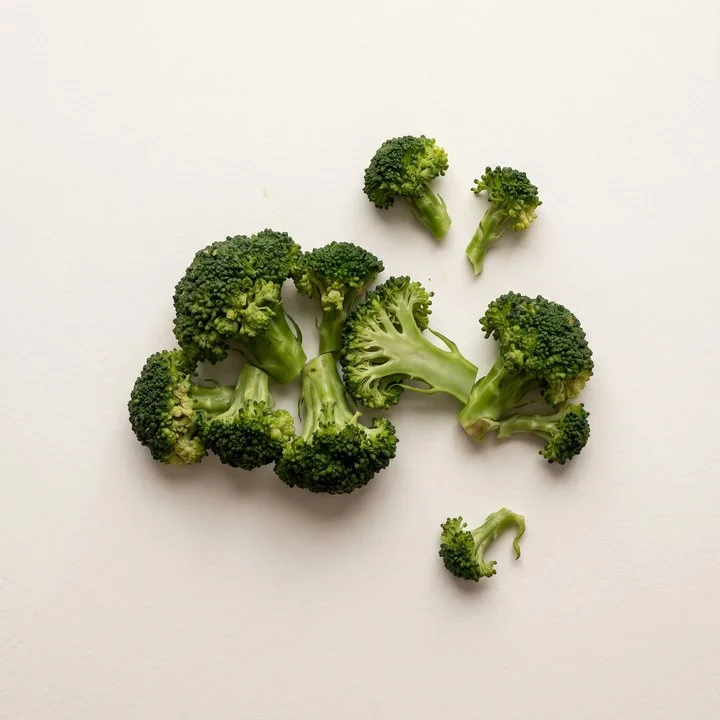
The NHS notes that vitamin A is needed for a healthy immune system. It also helps vision in dim light and keeps skin healthy. The NHS lists dairy products, carrots, sweet potatoes, mangoes and dark green vegetables such as spinach and broccoli among good sources [1]. According to the World Health Organization (WHO), vitamin A deficiency affects about 190 million preschool children. Most of them live in Africa and South-East Asia. Deficiency can cause night blindness. It can raise the risk of illness and death from infections such as measles and diarrhoea [4]. WHO recommends high-dose vitamin A supplements for children aged 6 to 59 months only in settings where vitamin A deficiency is a public health problem [4].
What does vitamin C do?
The NHS notes that vitamin C is important for general health and the immune system. It also helps the body absorb iron. The NHS lists oranges, kiwi, strawberries, broccoli, tomatoes and peppers among good sources [1]. The CDC notes that pairing plant sources of iron with foods high in vitamin C helps a baby absorb iron. For example, you can serve tomato or broccoli with a lentil dish [6].
Too much can also harm
The NHS notes that too much of some vitamins can be harmful. Keep to the amount on the label. Do not give two different supplements at the same time [1]. According to the AAP, very large amounts of vitamins A, C or D can cause toxic symptoms. These can range from nausea, rashes and headaches to more serious health problems [2]. Talk to your pediatrician before giving your child any vitamin supplement [2].
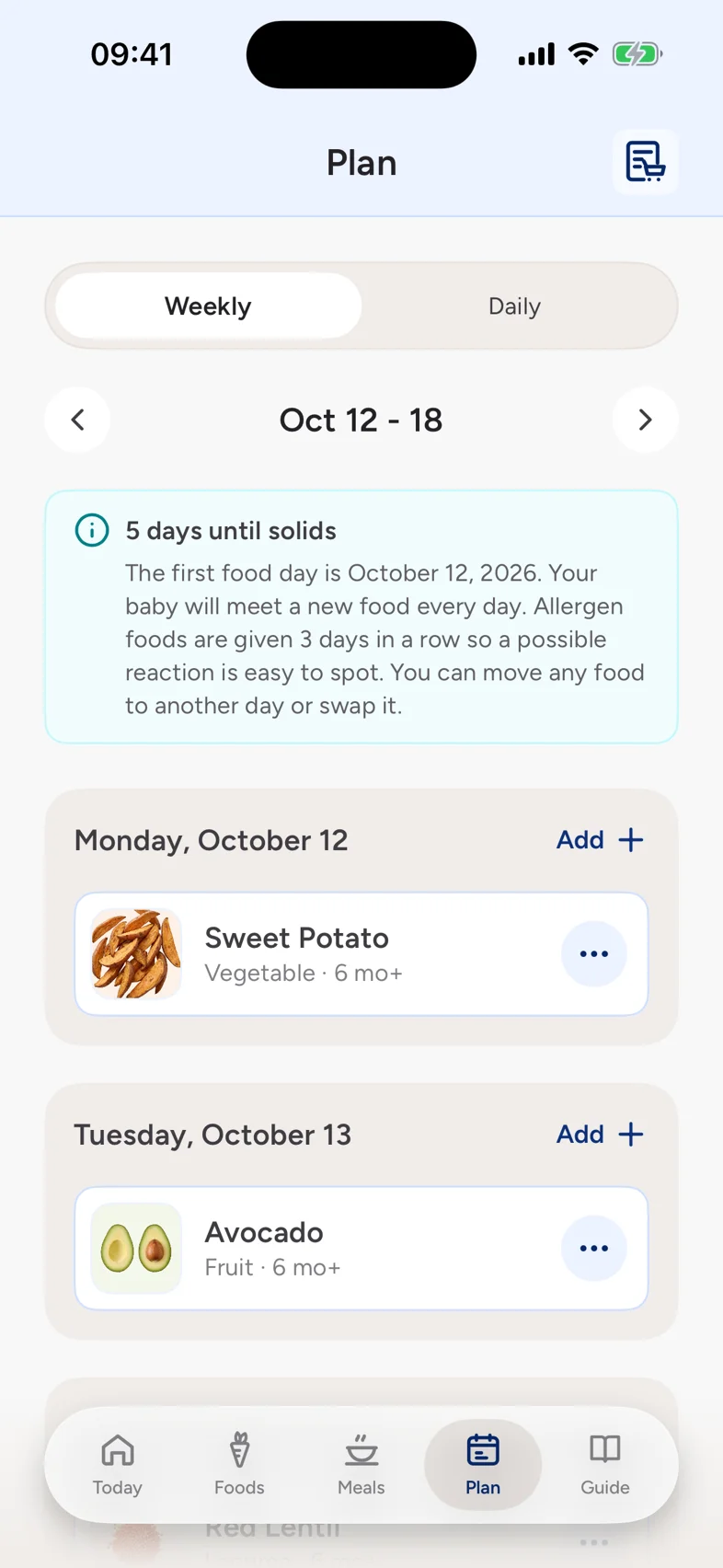
A starting solids calendar by age
Lokmini sets up a day-by-day starting solids calendar for your baby's age, introduces allergens one at a time and shows how to prepare every food by age.
Start with LokminiFrequently asked questions
Can I give cod liver oil and vitamin drops together?
Do not give them together unless a doctor advises it. Cod liver oil can contain vitamins A and D. Using it with another drop that contains vitamins A and D can lead to taking in too much of these vitamins. [1]
Should every baby get vitamin A and C drops?
No. In Turkey, the supplement routinely recommended for all babies is vitamin D. Vitamin A and C supplements should be planned after looking at your child's diet, needs and health.
Written by the Lokmini teamLast updated November 19, 2026
Sources
- National Health Service (NHS). (2024). Vitamins for children.
- American Academy of Pediatrics (AAP). (2025). Where We Stand: Vitamin Supplements for Children.
- American Academy of Pediatrics (AAP). (2022). Where We Stand: Vitamin D & Iron Supplements for Babies.
- World Health Organization (WHO). (2023). Vitamin A supplementation in infants and children 6-59 months of age (e-Library of Evidence for Nutrition Actions).
- Republic of Türkiye Ministry of Health, General Directorate of Public Health. (2018). D Vitamini Desteğinin ve Programın Uygulanması.
- CDC. (2026). Iron.
Lokmini is not a healthcare provider and does not offer health services. Lokmini shares information and does not diagnose. This information does not replace medical advice. Talk to your baby's doctor.