- Nutrition
- Long, 5 min
- 12 months and up
Moving to the family table after 12 months
Last updated November 19, 2026
In short
• From 12 months, a child's eating pattern can usually be planned as 3 meals and 2 snacks a day. How often your child eats may vary with their energy and nutrient needs. [1, 2, 3]
• When you cook family meals, set aside your child's portion before adding salt. For ages 1 to 3, total salt should not go over 2 grams a day. [5, 6]
• A drop in appetite after age 1 is a normal physiological change linked to slower growth. At this stage, you can expect the amount your child eats to vary from day to day. [2, 3]
• Your child's chewing and swallowing skills are still developing, so the texture, size and way of serving food should suit their stage of development. [2, 6]
What should be on the table?
From 12 months, your child should be encouraged to join the family table. This stage matters for meeting different food groups and for picking up the family's eating habits.
The American Academy of Pediatrics (AAP) notes that a 1-year-old's eating can be divided into 3 meals and 2 snacks a day. The Centers for Disease Control and Prevention (CDC) advises feeding young children about every 2 to 3 hours, with a pattern of 3 meals and 2 to 3 snacks a day. [2, 3]
Meals should include a balanced mix of food groups:
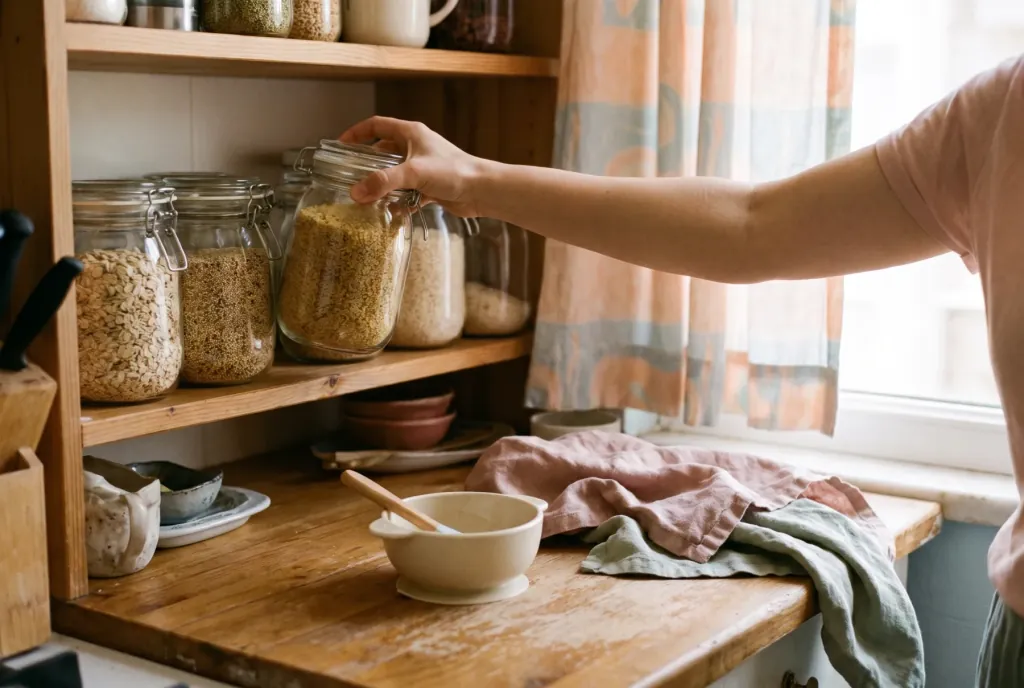
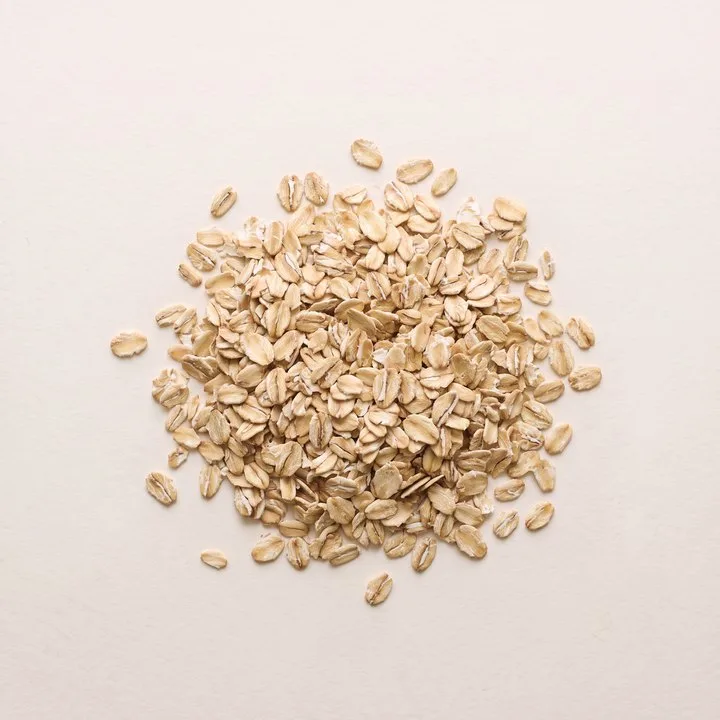
Carbohydrate sources: Potatoes, bulgur, rice, oats and bread.
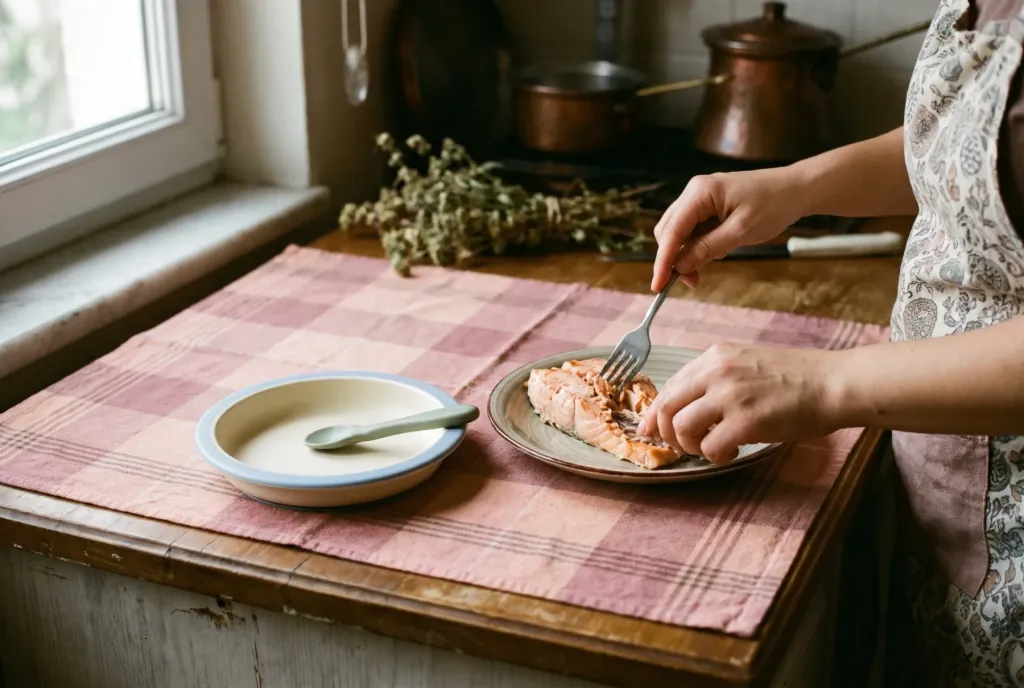
Protein sources: Eggs, meat, chicken, fish, lentils, chickpeas and beans.
Vegetables and fruit: Seasonal vegetables and fruit in a range of colors and kinds.
Milk and dairy: Yogurt, cheese and age-appropriate milk.
The UK National Health Service (NHS) advises including vegetables or fruit at every meal and introducing children to a variety of tastes, textures and foods. [7]
A varied diet helps cover your child's energy and micronutrient needs.
Salt, sugar and spice
Including your child in family meals after 12 months does not mean that food cooked for adults can be served without any changes.
According to the NHS, children aged 1 to 3 should have no more than 2 grams of salt a day in total, about 800 mg of sodium. This covers not only salt added to food but also salt from cheese, bread and processed foods. [5]
So when you cook, do not use salt, stock cubes or ready-made sauces high in sodium. Once your child's portion is set aside, you can add salt to the adults' food. [6]
The NHS advises not giving children aged 4 years and under foods and drinks with added sugar or sweeteners. This includes sugary products such as honey, syrup, fruit juice and smoothies. Whole fruit is not part of this limit. [6]
When you use spices, think about your child's tolerance and their chance to learn the natural taste of food. Herbs and mild spices can add flavor to meals without adding salt. [5]
Milk and breastfeeding
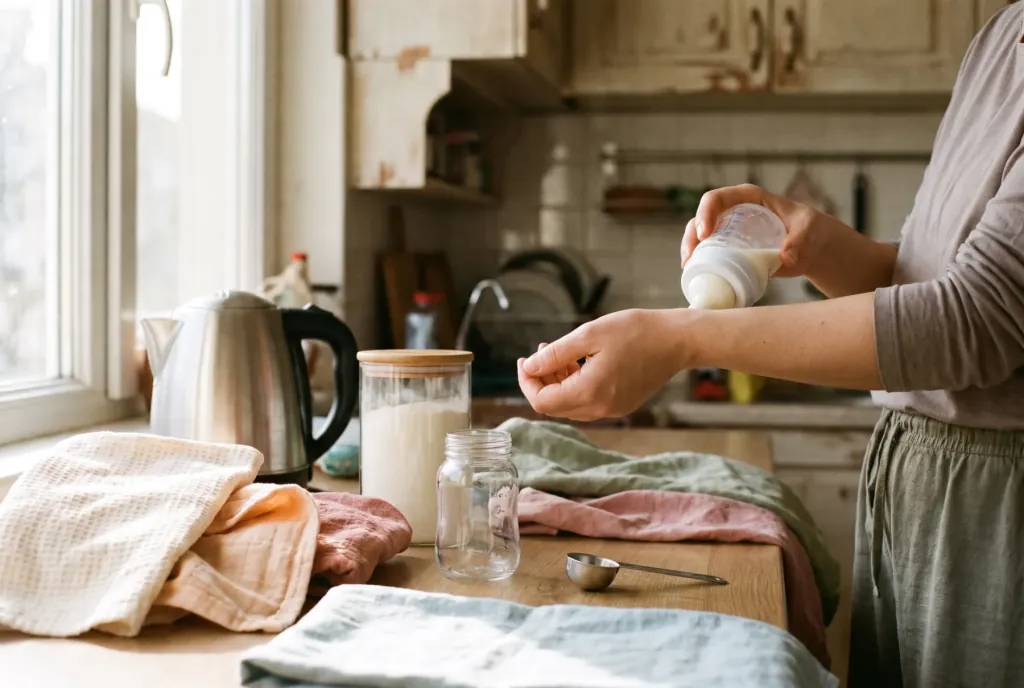
The World Health Organization (WHO) recommends continuing breastfeeding up to 2 years and beyond once complementary foods start. Breast milk keeps adding to your child's nutrition in the second year too. [4]
After 12 months, alongside breast milk, your child needs an adequate and balanced eating pattern that includes different food groups.
The NHS notes that from 12 months pasteurized cow's milk can be the main drink, and that follow-on and growing-up milks are not routinely needed. [1, 7]
The NHS suggests offering children at least 350 ml of milk a day, or 2 servings of dairy foods such as cheese and yogurt. Choose full-fat milk and dairy until age 2. [7]
What matters is looking at milk as part of your child's overall diet. Do not let too much milk crowd out iron-rich foods.
Appetite and safety
After age 1, one of the most common things parents notice is that their child eats less than in earlier months.
The AAP notes that appetite can drop markedly as growth slows after the first year. At this stage, a child may eat a good amount at one meal and very little at the next. [2]
The CDC also notes that from 12 months, as growth slows, the amount a child eats each day can vary. Do not judge your child's eating by a single meal or day. Look at a longer stretch of time. [3]
Points for parents to keep in mind:
Offer meals and snacks at regular times as much as you can.
Do not let your child graze all day. Leave set gaps between meals.
Pay attention to your child's hunger and fullness cues.
Do not pressure or force your child to eat.
Offer foods they refused before again, at different times and in different ways.
The AAP advises offering your child a choice of foods but not forcing them to eat. How much your child eats can vary from day to day. [2]
Food safety: watch out for choking!
Eating more independently after 12 months does not mean the choking risk is gone.
The AAP notes that children learn to chew with a grinding motion at about 4 years. So adjust the texture and size of food to your child's chewing and swallowing skills. [2]
Pay special attention to these points:
Cut round foods such as grapes and cherry tomatoes lengthwise into quarters.
Cook or soften hard foods such as carrots and apples.
Do not give whole nuts to children under 5 years.
Do not serve sticky foods such as peanut butter on their own or in thick lumps.
Remove bones and hard pieces from meat and fish.
Your child should sit upright while eating and always be supervised by an adult.
Check the temperature of food too. Serve meals at a suitable temperature to avoid burning the mouth. [2, 6]
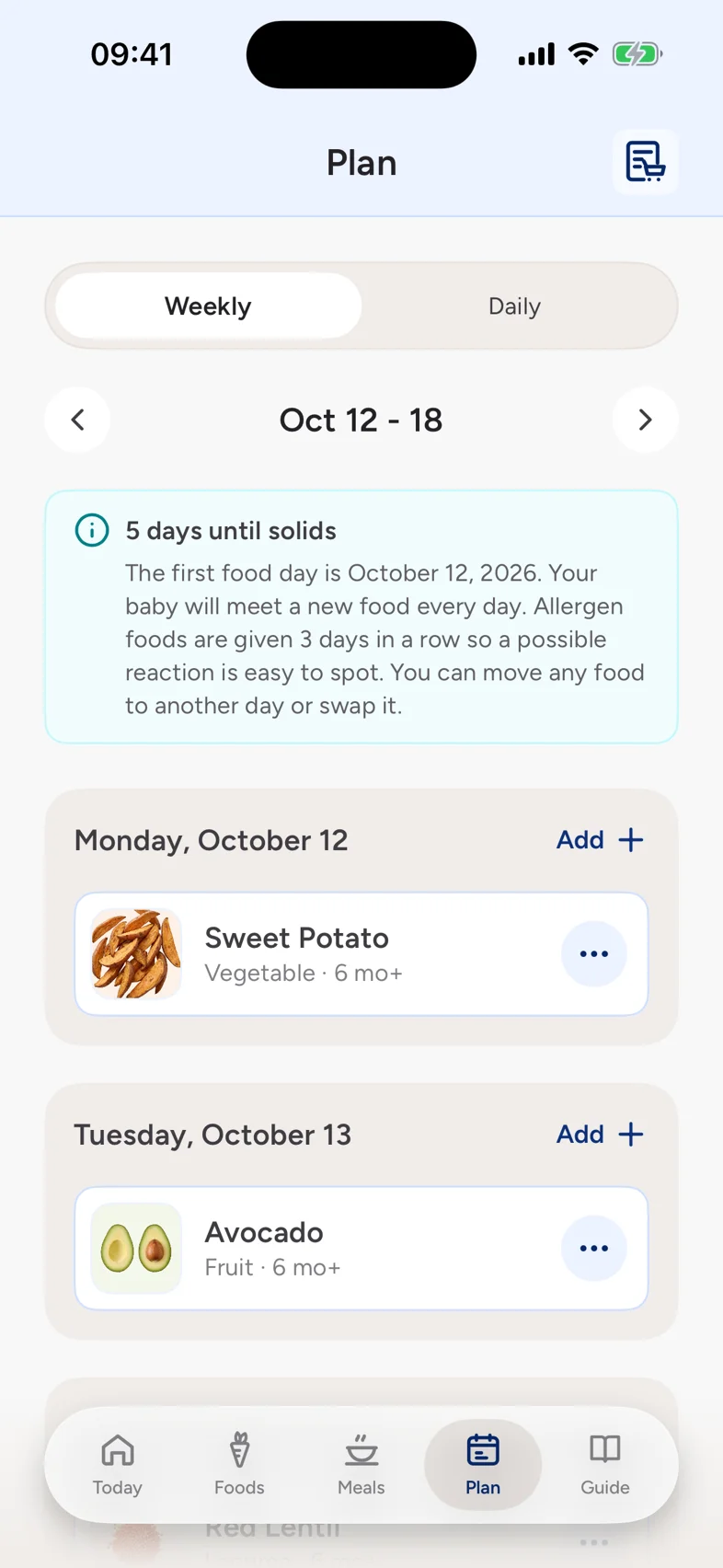
A starting solids calendar by age
Lokmini sets up a day-by-day starting solids calendar for your baby's age, introduces allergens one at a time and shows how to prepare every food by age.
Start with LokminiFrequently asked questions
Can my child eat the same food as us now?
Yes. As long as it suits your child's developmental skills and nutritional needs, you can encourage them to join in family meals.
But do not use salt or added sugar when you cook, and set aside your child's portion first. The cooking method, texture and way of serving should suit your child's chewing and swallowing skills.
Remember, moving to the family table is not just about eating the same meal. It is an important stage of development that helps your child get to know different foods, build healthy eating habits and take on the family's eating habits.

Uzm. Dyt. Özge Uğur ErciyasPrepared the latest update, November 14, 2026
Sources
- National Health Service (NHS). (2026). Your baby's first solid foods.
- American Academy of Pediatrics (AAP). (2020). Feeding & Nutrition Tips: Your 1-Year-Old.
- CDC. (2025). How Much and How Often To Feed.
- World Health Organization (WHO). (2026). Infant and young child feeding (fact sheet).
- National Health Service (NHS). (2023). Salt in your diet.
- National Health Service (NHS). (2026). Foods to avoid giving babies and young children.
- National Health Service (NHS). (2023). What to feed young children.
Lokmini is not a healthcare provider and does not offer health services. Lokmini shares information and does not diagnose. This information does not replace medical advice. Talk to your baby's doctor.