In short
Common allergenic foods can be introduced from about 6 months to babies who are developmentally ready for solids, but not before 4 months. [1]
It is advised to offer egg and peanut soon after starting solids, in a way that suits your baby's age and development. [1]
Once an allergen has been eaten without problems, keep it in the diet and offer it regularly. [1]
Babies with severe eczema or a known egg allergy need a doctor's assessment before peanut is introduced. [2]
The old advice has changed
In the past, families were sometimes advised to delay allergenic foods such as egg, peanut and fish to keep allergy from developing. But current scientific evidence does not show that delaying these foods stops allergy.
The American Academy of Pediatrics (AAP) states that there is no evidence that delaying allergenic foods such as egg and peanut stops food allergy from developing. [3]
In particular, the LEAP (Learning Early About Peanut Allergy) study on peanut showed that adding peanut to the diet early in high-risk babies can greatly reduce the risk of developing peanut allergy. [4]
When to start
For babies who are developmentally ready for solids, it is advised to introduce common allergenic foods from about 6 months. Do not start solids before 4 months. [1]
Egg and peanut can be added to the diet soon after starting solids. Other common allergens, such as cow's milk products, wheat, soy, sesame, tree nuts, fish and shellfish, should also be introduced within the first year. [1]
When you offer a new allergenic food, use only one new allergen per meal. This makes it easier to tell which food caused a possible reaction. [1]
Serving them safely
Always serve egg well cooked. You can mash hard-boiled egg or prepare it in a texture that suits your baby's development. Do not choose raw or lightly cooked egg. [1]
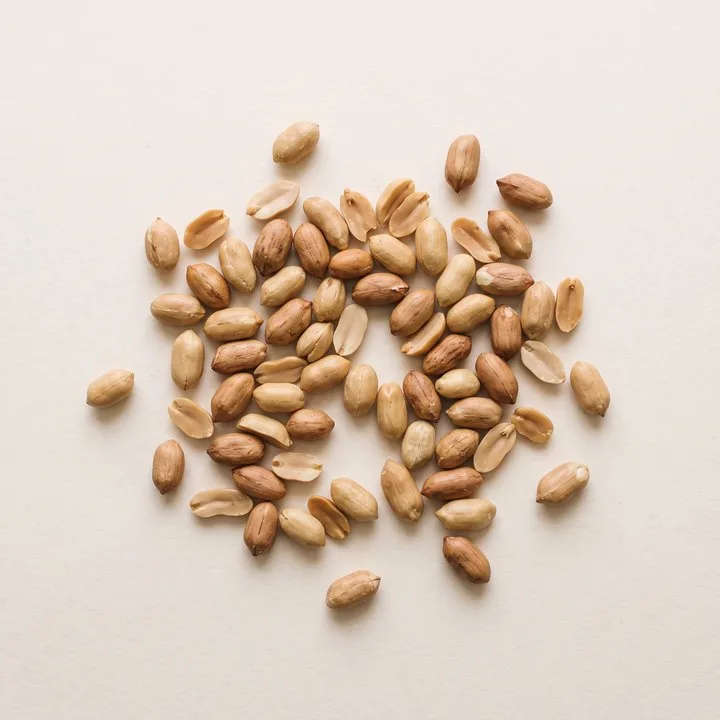
Do not give whole peanuts. You can thin smooth peanut butter with water, yogurt, breast milk or the formula your baby drinks. Finely ground peanut is also a good option.
High-risk babies: doctor first
If your baby has severe eczema or a known egg allergy, talk to your child's doctor or a pediatric allergist before introducing peanut.
For these babies, an assessment for peanut allergy can be planned and, if needed, the first taste can be given under medical supervision. [2]
If reactions such as widespread hives, repeated vomiting or breathing symptoms develop after a new food, get a medical assessment before giving that food again.
We plan your allergen days
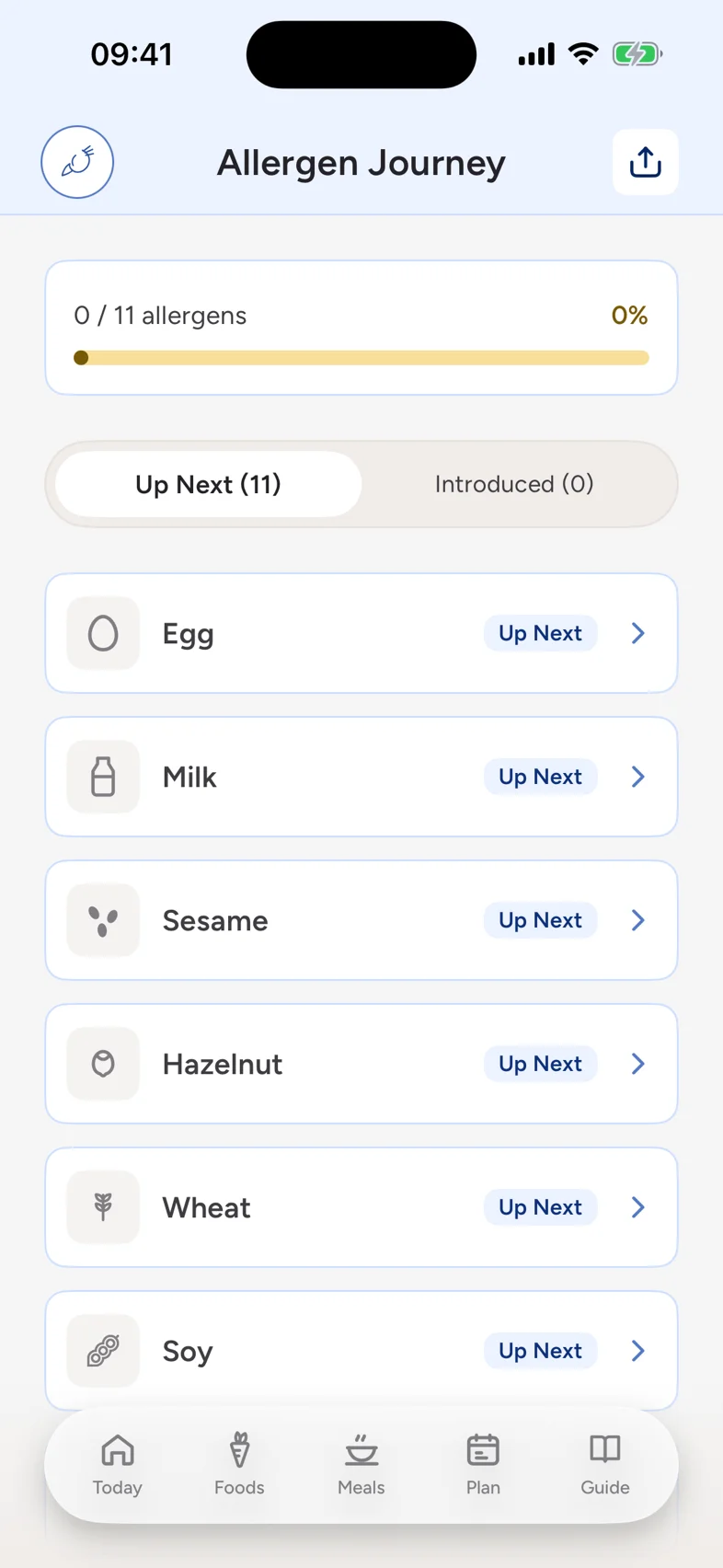
The allergen journey adds each allergen to your calendar 3 days in a row. On those days, the plan focuses only on that introduction.
Start with Lokmini
Uzm. Dyt. Özge Uğur ErciyasPrepared the latest update, November 14, 2026
Sources
- NIAID. (2017). Addendum Guidelines for the Prevention of Peanut Allergy in the United States: Report of the NIAID-Sponsored Expert Panel.
- American Academy of Pediatrics (AAP). (2019). The Effects of Early Nutritional Interventions on the Development of Atopic Disease in Infants and Children.
- EAACI. (2021). EAACI guideline: Preventing the development of food allergy in infants and young children (2020 update).
- American Academy of Pediatrics (AAP). (2025). When to Introduce Egg, Peanut Butter & Other Common Food Allergens to a Baby.
Lokmini is not a healthcare provider and does not offer health services. Lokmini shares information and does not diagnose. This information does not replace medical advice. Talk to your baby's doctor.