- Starting Solids
- Long, 4 min
Anaphylaxis: emergency signs and calling 911
Last updated November 25, 2026

In short
• Anaphylaxis is a serious, life-threatening allergic reaction that can start within minutes. Symptoms can sometimes appear within a few hours as well. [1,2]
• Difficulty breathing, wheezing, swelling of the lips or tongue, and pale or bluish skin are among the emergency signs. [1,2]
• Babies may also show sudden drooling, inconsolable crying and unusual sleepiness. [2]
• If you suspect anaphylaxis, call emergency services right away. If an adrenaline auto-injector has been prescribed, use it without delay. [1,2]
What is anaphylaxis?
Anaphylaxis is a serious reaction of the immune system to an allergen. It starts quickly and can be life-threatening. Foods, medicines and insect stings can cause anaphylaxis. [1]
The American Academy of Pediatrics (AAP) notes that it is not possible to predict when an allergic reaction will start, which symptoms it will cause or how severe it will be. Anaphylaxis can happen at any age, including in babies. [2]
Peanuts, milk, eggs, tree nuts, fish, shellfish, wheat, soy and sesame are among the foods that can trigger anaphylaxis. [2]
Which signs are urgent?
Symptoms can start within minutes of contact with the allergen, or they can appear a few hours later. [2]
The emergency signs listed by the NHS and the AAP are:
Difficulty breathing or breathing very fast
Wheezing, coughing or noisy breathing
A tight throat, trouble swallowing or a hoarse voice
Swelling of the lips, tongue or throat
Marked paleness, blueness or a bluish-grey color of the skin
Dizziness, fainting or confusion
Sudden, marked weakness or loss of consciousness [1,2]
Babies may also show irritability, inconsolable crying, sudden drooling and unusual sleepiness. A child who goes limp, has floppy arms or legs, cannot hold up their head or does not respond as usual is also showing serious warning signs. [1,2]
What to do at that moment
If you suspect anaphylaxis, act without delay:
Call emergency services right away. Say that you suspect anaphylaxis and ask for an ambulance.
If your child has been prescribed an adrenaline auto-injector, use it right away following the device instructions. Adrenaline is the first-choice emergency treatment for anaphylaxis. [2]
If possible, lay your child on their back. If they are vomiting, or unconscious but breathing, turn them on their side. If they are having serious trouble breathing, you can sit them up with their legs stretched out to make breathing easier. Do not stand your child up or let them walk. [1,2,3]
If symptoms do not improve, continue or get worse and a second adrenaline auto-injector is available, a second dose may be needed 5 minutes after the first. [2,3]
Stay with your child until the ambulance arrives. Tell the medical team the time you gave the adrenaline.
Antihistamines can be used for some mild allergic symptoms, but they do not replace adrenaline in anaphylaxis. Do not delay adrenaline to give an antihistamine. [2]
Be prepared in advance
For children who have had anaphylaxis before or who are at risk of serious allergy, a written emergency action plan should be prepared with your child's doctor or a pediatric allergist. [2]
Family members, teachers and others who care for your child should know the signs of allergy, where the adrenaline auto-injector is kept and how to use it.
For children diagnosed with a food allergy, it is important to read food labels carefully, check for allergens and watch out for cross-contamination. [1]
If mild symptoms appear after a new food, talk to your child's doctor before offering that food again.
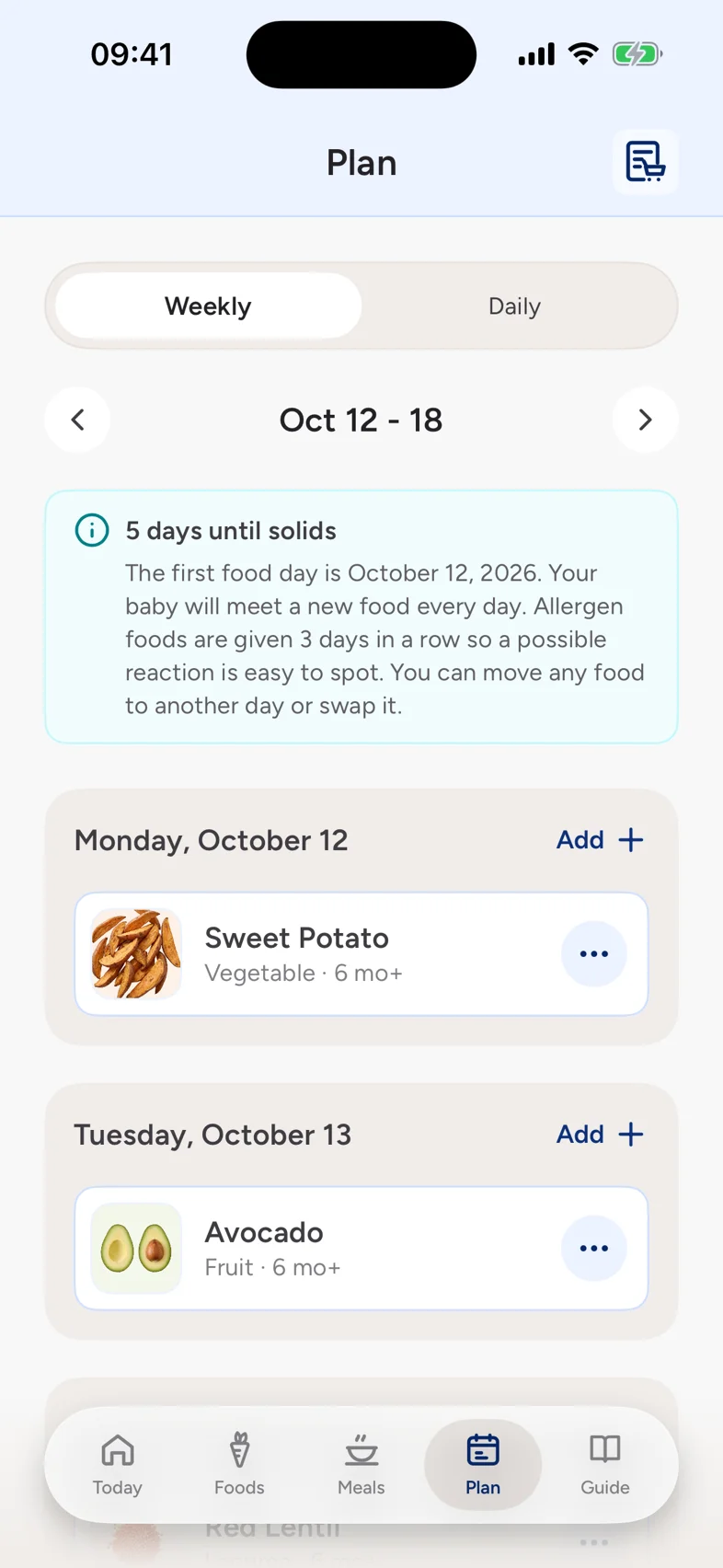
A starting solids calendar by age
Lokmini sets up a day-by-day starting solids calendar for your baby's age, introduces allergens one at a time and shows how to prepare every food by age.
Start with LokminiFrequently asked questions
If the symptoms go away on their own, do we still need to go to the hospital?
Yes. If anaphylaxis is suspected, an urgent medical check is needed even if the symptoms ease or go away completely. This is because in some people symptoms can come back after the first reaction has settled. This is called a biphasic reaction. The medical team decides how long your child needs to stay in hospital for observation. [3,4]

Uzm. Dyt. Özge Uğur ErciyasPrepared the latest update, November 14, 2026
Sources
- National Health Service (NHS). (2023). Anaphylaxis.
- American Academy of Pediatrics (AAP). (2026). Anaphylaxis in Infants & Children: Responding to Severe Allergic Reactions.
- National Health Service (NHS). (2024). Food allergies in babies and young children.
Lokmini is not a healthcare provider and does not offer health services. Lokmini shares information and does not diagnose. This information does not replace medical advice. Talk to your baby's doctor.