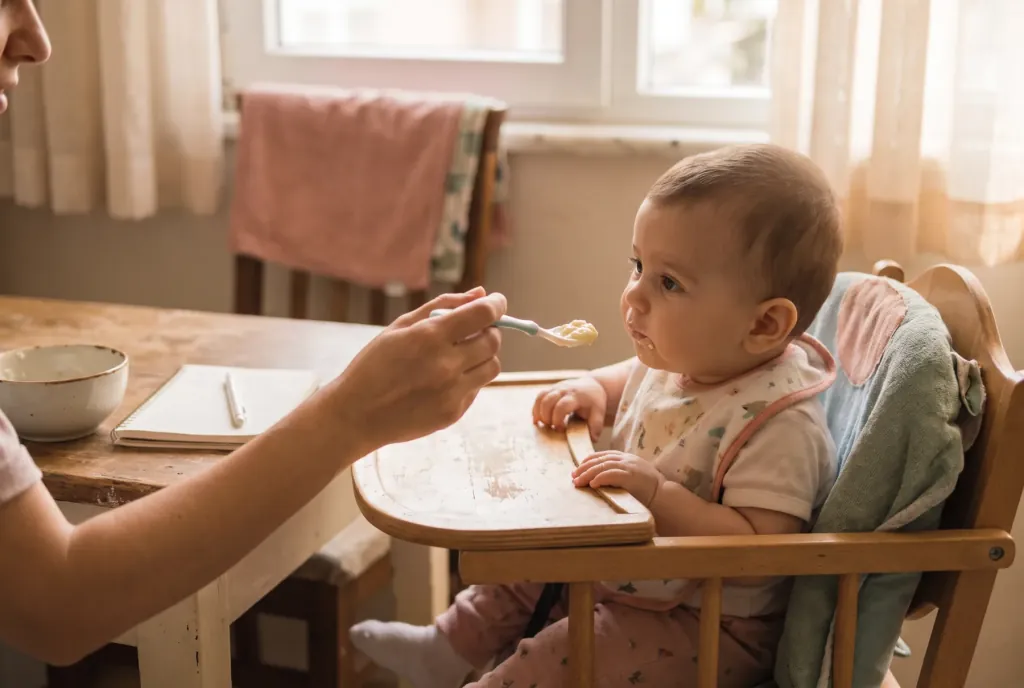
First 6 months: breast milk only
The World Health Organization and UNICEF recommend that babies have only breast milk for the first 6 months. The American Academy of Pediatrics (AAP) also recommends breast milk only for about 6 months. The Turkish Ministry of Health shares the same goal. The Ministry states that breast milk alone meets all of a baby's nutritional needs in the first 6 months.
After 6 months: keep going alongside solids
Around 6 months, a baby's need for energy and nutrients becomes greater than what breast milk provides. Solid foods are needed at this stage, but breastfeeding does not have to stop. The World Health Organization recommends continuing breastfeeding with suitable solid foods up to 2 years or beyond. The AAP's 2022 policy statement also supports breastfeeding for 2 years or beyond, as long as mother and child both want to. The Turkish Ministry of Health's goal is also 2 years and beyond.
What continued breastfeeding offers
Between 6 and 12 months, breast milk can meet half or more of a child's energy needs. Between 12 and 24 months, its share is one third. Breast milk also stays an important source of energy and nutrients during illness.
The choice belongs to you and your baby
You and your baby decide how long breastfeeding lasts. The AAP stresses that the right choice is the one that works for you, your baby and your family. According to the AAP, babies can thrive on breast milk, formula or a combination of both. For families who cannot breastfeed, formula is a safe and nutritious choice. If you want to breastfeed for longer, ask your baby's doctor and lactation consultants for support.
If you have difficulties or questions about breastfeeding, talk to your baby's doctor or a lactation consultant.
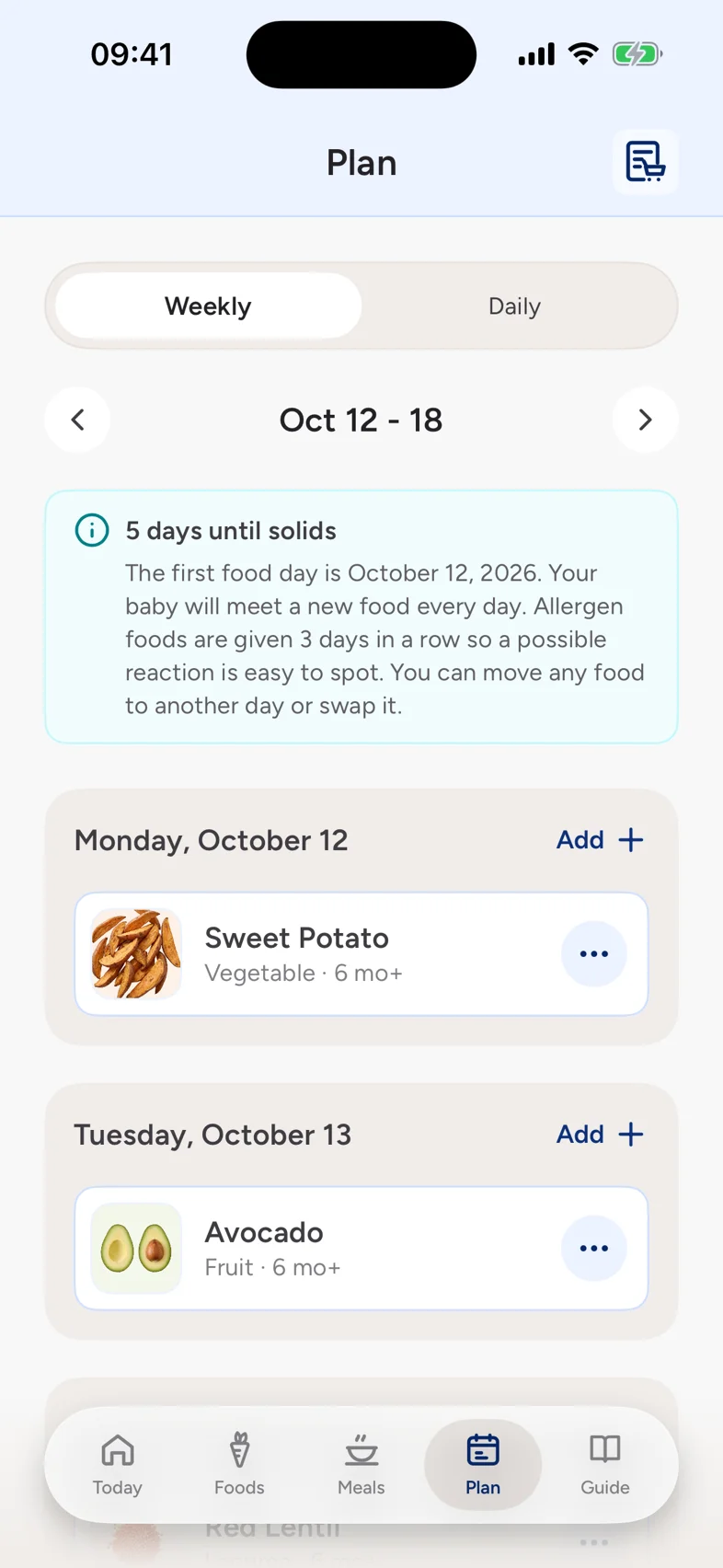
A starting solids calendar by age
Lokmini sets up a day-by-day starting solids calendar for your baby's age, introduces allergens one at a time and shows how to prepare every food by age.
Start with LokminiFrequently asked questions
Bebeğim 6 aylık olduğunda emzirmeyi bırakmalı mıyım?
Hayır. Altıncı ayda tamamlayıcı besinlere başlanır ancak emzirme devam eder. WHO ve AAP, uygun ek besinlerle birlikte emzirmenin 2 yaş ve ötesine kadar sürdürülmesini destekler. [1,2]
İki yaşından sonra da emzirmek mümkün mü?
Evet. WHO ve AAP, anne ve çocuk istediği sürece emzirmenin 2 yaşından sonra da devam edebileceğini belirtir. [1,2]
Anne sütü bir yaşından sonra da besleyici midir?
Evet. Anne sütü 12–24 ay arasında çocuğun enerji gereksiniminin yaklaşık üçte birini karşılayabilir. Ayrıca hastalık dönemlerinde de önemli bir enerji ve besin kaynağı olmaya devam eder. [1]
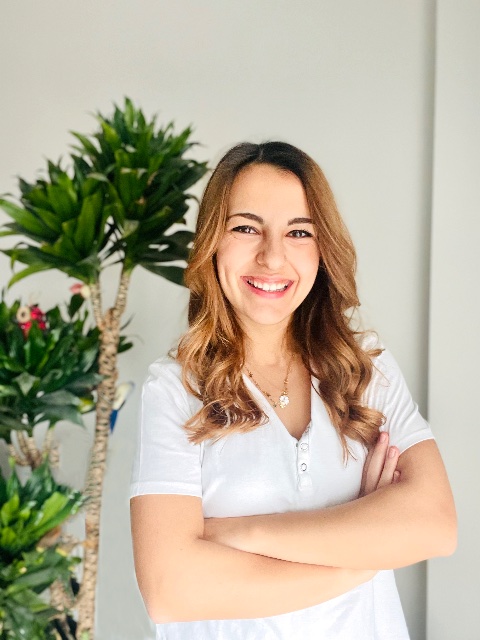
Uzm. Dyt. Özge Uğur ErciyasPrepared the latest update, November 25, 2026
Sources
- World Health Organization (WHO). (2026). Infant and young child feeding (fact sheet).
- Meek JY, Noble L. (2022). Policy Statement: Breastfeeding and the Use of Human Milk. American Academy of Pediatrics (AAP), Pediatrics 150(1):e2022057988. doi:10.1542/peds.2022-057988
- American Academy of Pediatrics (AAP). (2026). Why We Support Breastfeeding for Your Baby's Health.
- Republic of Türkiye Ministry of Health. (2026). 1-7 Ağustos Emzirme Haftası: Anne Sütü İlk 6 Ay Tüm Besin İhtiyacını Tek Başına Karşılar.
Lokmini is not a healthcare provider and does not offer health services. Lokmini shares information and does not diagnose. This information does not replace medical advice. Talk to your baby's doctor.