Dietitian's view
Oysters are a risky food for babies.
Lokmini is not a healthcare provider and does not offer health services. For your baby's specific needs, talk to your doctor or a dietitian.
- Shellfish allergen
- Proteins
- Not recommended for babies
- High choking risk
Can babies have Oyster?
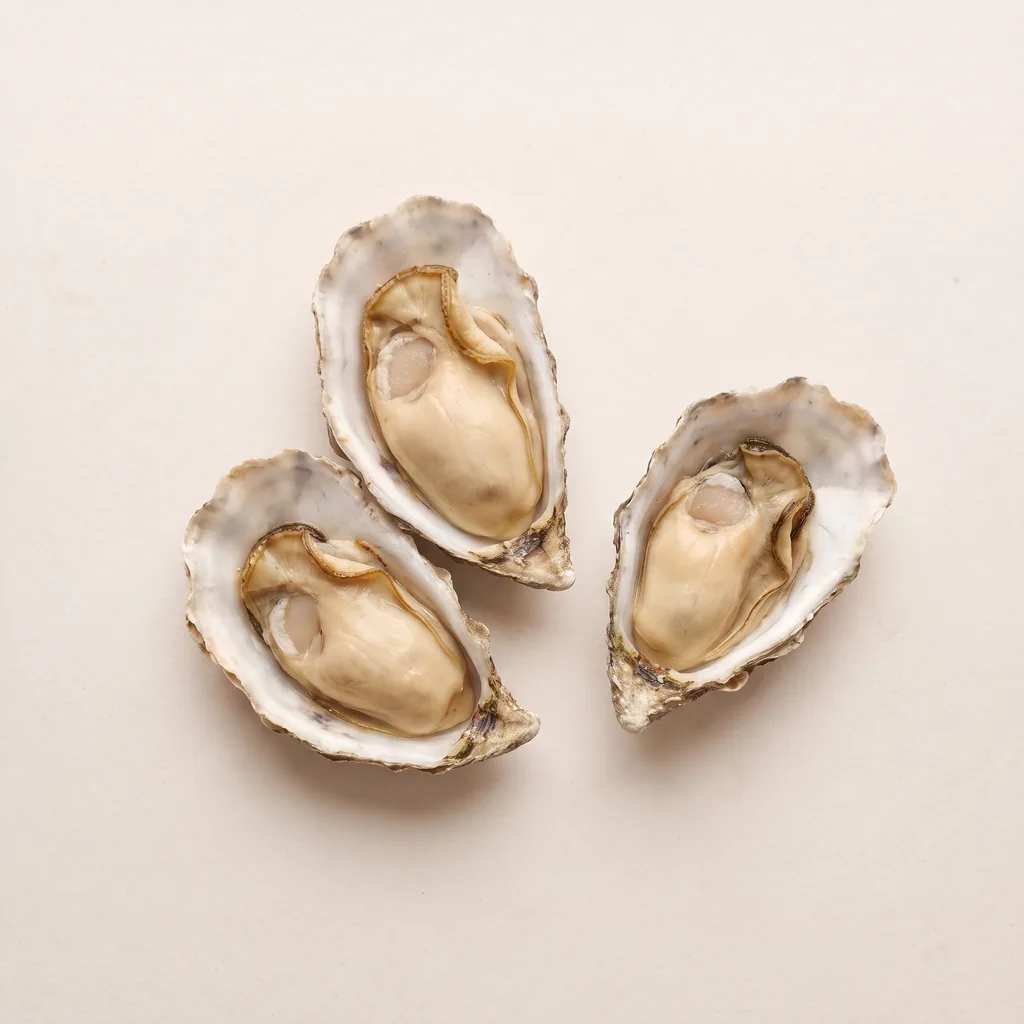
Oyster is not recommended for babies. It is considered a risky food for babies. Oysters live in tidal estuaries, salty bays and coastal waters worldwide. They are bivalves, like mussels and clams.
- Protein
- Omega-3
- Choline
- Vitamin B12
- Zinc
- Calcium
 Allergen, day 1/3
About oyster
Oysters are a strong source of protein, omega-3, choline, B12, zinc, calcium and iron. Their cadmium content varies by where they come from. Cadmium is a heavy metal, and too much harms the developing nervous system.
Illness risk
Oysters can make people ill with foodborne infections, and the illness may be severe in babies.
Also known as: istiridye, pişmiş istiridye, konserve istiridye
- Gluten-free
- Contains shellfish
Choking risk
- Low
- Medium
- High
Oysters are firm and slippery, which makes choking a serious risk.
About oyster allergy
Mollusks such as oysters are not on the World Health Organization's global priority allergen list, which names only crustaceans such as shrimp and crab. Many national regulators, though, count both as common allergens, so the app treats oyster as a shellfish allergen.
Shellfish allergy usually starts in adulthood. Most people who develop it in childhood do not outgrow it.
People allergic to oysters may react to other mollusks (mussels, octopus, scallop, snail, squid). Their risk of reacting to crustaceans (shrimp, crab, lobster) is over 70 percent.
A shellfish allergy does not mean a finned fish allergy. Still, fish prepared in the same facility with shared tools can pick up shellfish proteins.
Frequently asked questions
What age can babies eat oyster?
Is oyster a common allergen?
Is oyster a choking hazard for babies?
Can babies eat raw oysters?
Can babies have canned oysters?
What temperature should oysters reach?
Sources
- Environmental Analysis Health and Toxicology, Developmental toxicity of cadmium in infants and children: a review (2021)
- Clinical and Experimental Allergy, Shellfish allergy (2010)
- CDC, Vibrio and Oysters (2019)
- World Health Organization (WHO), Guideline for complementary feeding of infants and young children 6-23 months of age (2023)
Prepared by the Lokmini team | Last updated November 17, 2026