Dietitian's view
Mussels are a risky food for babies.
Lokmini is not a healthcare provider and does not offer health services. For your baby's specific needs, talk to your doctor or a dietitian.
- Shellfish allergen
- Proteins
- Not recommended for babies
- High choking risk
Can babies have Mussels?
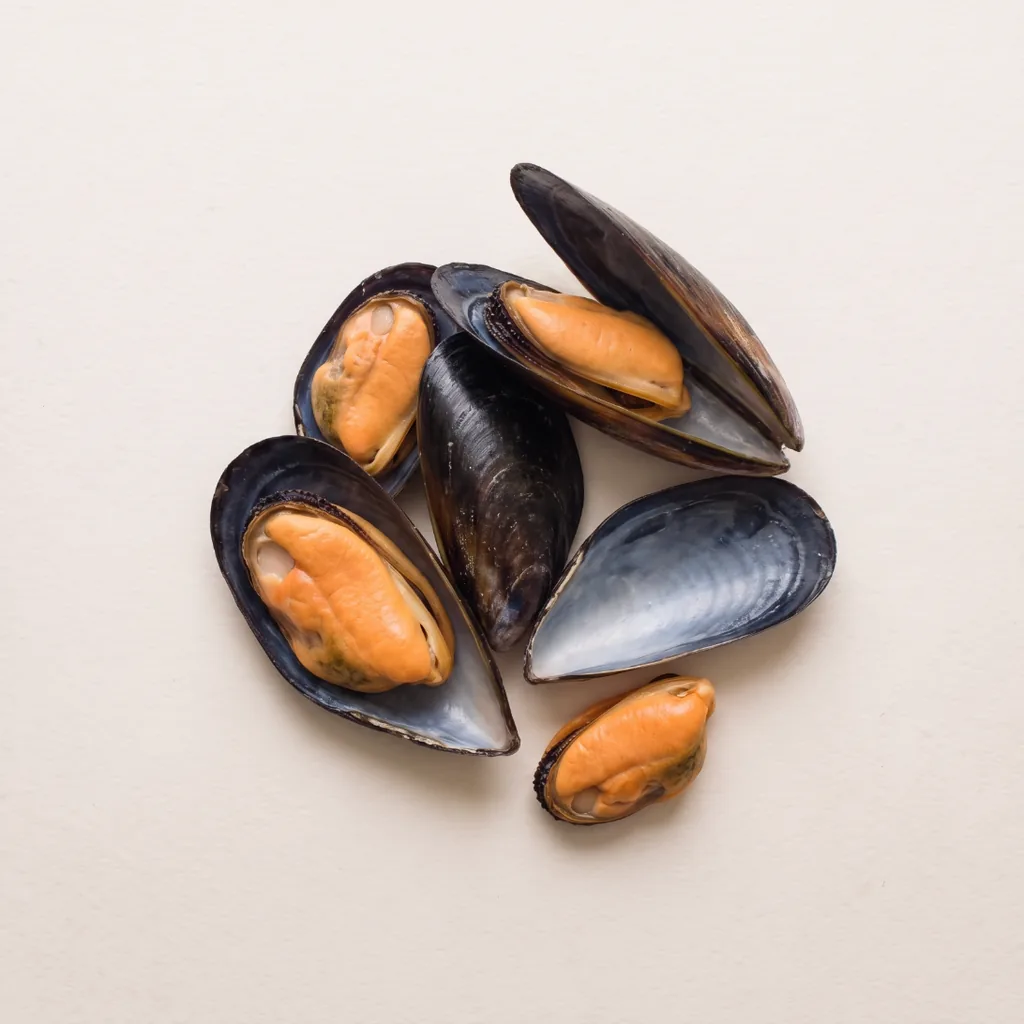
Mussels are not recommended for babies. They are considered a risky food for babies. Mussels are rich in protein. They also contain omega-3 fats, folate, B-group vitamins and minerals such as zinc, iron and selenium.
- Protein
- Omega-3
- Vitamin B12
- Vitamin B6
- Folate
- Zinc
 Allergen, day 1/3
About mussels
Mussels grow in freshwater and in tidal areas along the coast. Most on the market come from sea farms, where they grow on long ropes. In Turkey, stuffed mussels filled with spiced rice are a street food favorite.
Illness risk
Food poisoning is a real concern with mussels, and infants tend to get sicker than adults.
Also known as: midye, kara midye, midye dolma
- Gluten-free
- Contains shellfish
Choking risk
- Low
- Medium
- High
The texture is firm, rubbery and slippery, so the choking risk is high. Whole mussels need a lot of chewing.
Spitting out is normal
Toddlers often spit out bites while they learn tough textures. It does not mean they dislike the food.
About mussels allergy
Mussels are mollusks. The World Health Organization counts only crustaceans, such as shrimp and crab, as priority allergens. Many countries do label mollusks as allergens too. In this app we treat mussels as a shellfish allergen.
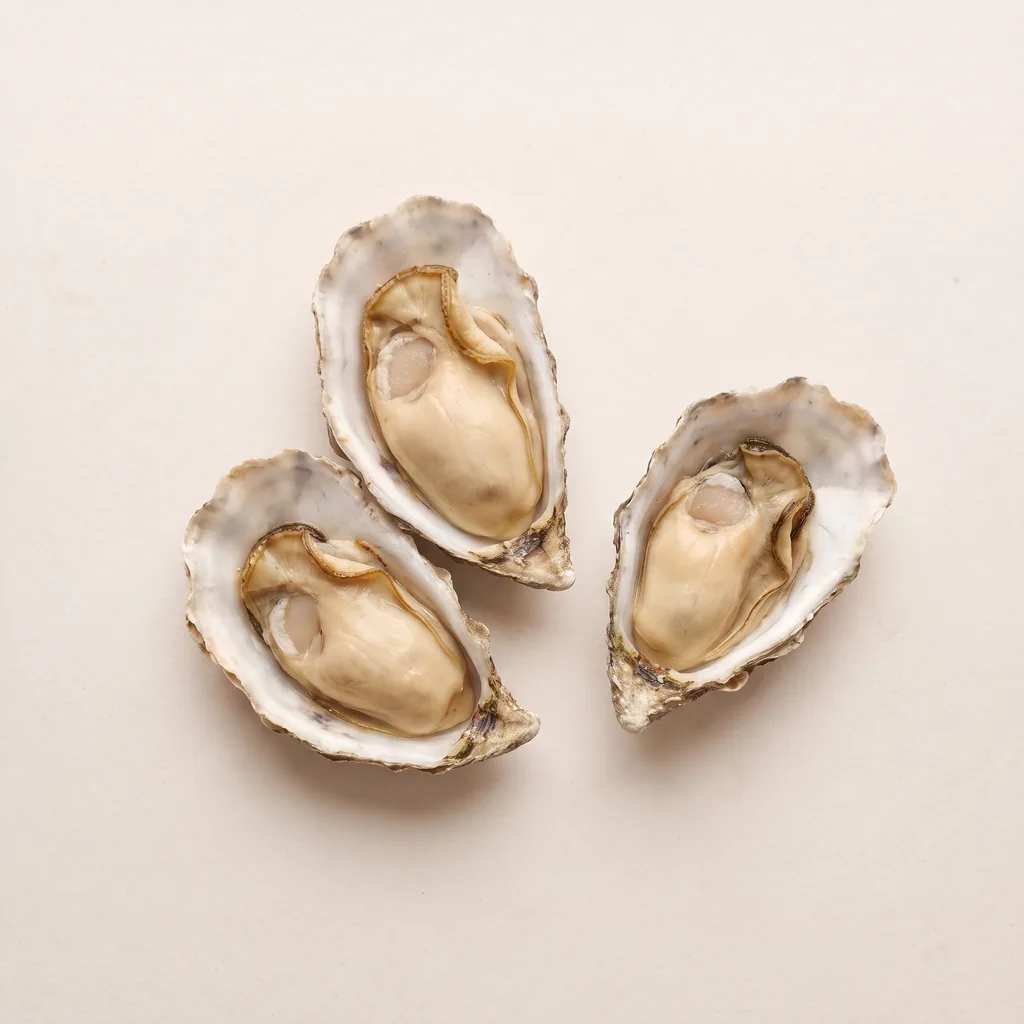
Someone allergic to mussels may also react to other mollusks, such as oysters, octopus, squid and snails. The chance of reacting to crustaceans like shrimp and crab is above 70 percent. Shellfish allergy is uncommon in early childhood and usually starts in adulthood. When it starts in childhood, it often lasts.
Cross-contact
A shellfish allergy does not mean a fish allergy. Still, products prepared in the same kitchen with shared tools can pick up traces.
Frequently asked questions
What age can babies eat mussels?
Is mussels a common allergen?
Is mussels a choking hazard for babies?
Can babies eat canned mussels?
Can babies eat raw mussels?
Do mussels contain heavy metals?
Can babies have stuffed mussels?
Sources
Prepared by the Lokmini team | Last updated November 17, 2026