Grape molasses
- First taste
- 24 months
- Choking risk
- low
- Common allergen
- no
- Iron
- medium
Free sugar · not an everyday food
Note
Grape molasses counts as added sugar; CDC advises no added sugars under 2 years.
When can babies eat grape molasses?
When to consider grape molasses
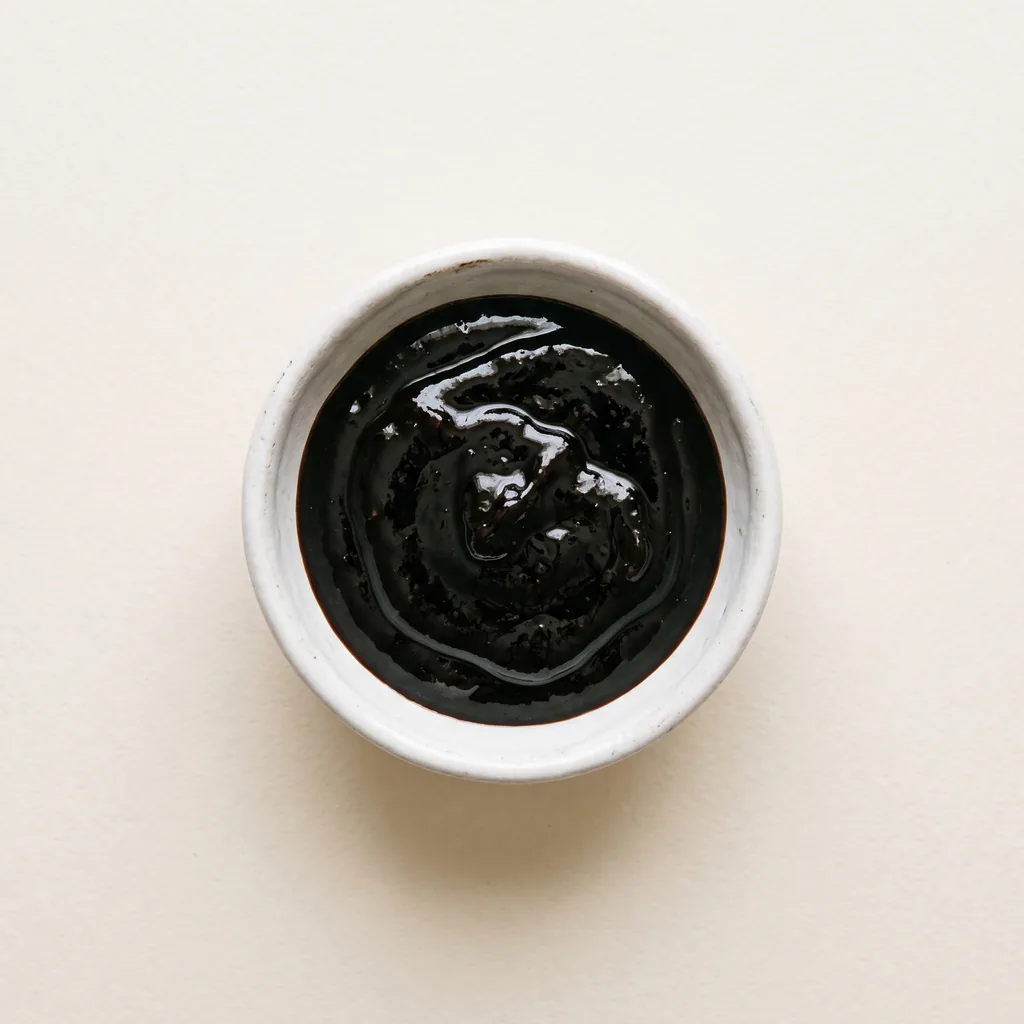
Grape molasses (pekmez) is a traditional Turkish sweetener made by boiling down fruit juice, most often grape, until it thickens. We do not recommend it for baby's daily diet. It is very rich in sugar and counts as a free sugar in child feeding.
Nutrition and origin
A study of several molasses samples from Turkey reported that they contain polyphenols and minerals. The same study also noted a high sugar content. For baby's iron needs, rely on animal-source foods such as meat and eggs instead. The World Health Organization encourages animal-source foods in complementary feeding.
Molasses is not honey
Honey is not given in any form before 12 months because it can cause infant botulism. We found no reliable data on whether grape molasses carries botulism spores, so we cannot give assurance on this.
How do you prepare grape molasses for babies?
Preparation basics
Do not use grape molasses to sweeten baby's food. Do not add it to yogurt, porridge or fruit purée. When you set aside baby's share of a family meal, take it before the molasses goes in. The CDC advises no added sugars for children under 24 months.
What to use instead
If you want a sweet taste, use a ripe banana or mashed fruit. Fruit is enough to introduce baby to new flavors.
Preparation by age
The same food is served differently at each age. What matters is how your baby sits, grasps and chews, more than the calendar.
12 months
12 months · How to servemash
We do not recommend grape molasses as an everyday food. If your family still wants to offer it after 12 months, use a very small amount, only now and then, stirred into a meal. Do not feed it by the spoonful on its own. Mixing it with tahini adds sesame, which is an allergen. If sesame has not been offered before, try it separately first.
Is grape molasses a choking hazard for babies?
Choking risk: low
Grape molasses is a runny food with a low choking risk. Judge sticky foods served with it, such as dried fruit, halva or hard bread pieces, separately.
Choking risk
Grape molasses is runny and does not pose a choking risk by itself. Sticky and hard foods do. Make dried fruit, halva or hard bread served with it smaller to suit baby's age. Stay close to baby during meals.
Is grape molasses a common allergen?
Allergen status
Grape molasses is not a common allergen. Serving it mixed with tahini is common in Turkish cooking. Tahini is made from sesame, and sesame is an allergen. If sesame has not been offered before, try it separately from the molasses. Read the ingredient list on packaged products.
Key nutrients
Frequently asked questions about grape molasses
Does grape molasses give baby iron?
Grape molasses contains minerals, but it is also very sugary. Animal-source foods such as meat and eggs are a better route for baby's iron needs. Ask your pediatrician about this.
Is grape molasses off limits before 12 months like honey?
Honey is never given before 12 months. We found no reliable data on botulism risk for grape molasses. Because of its high sugar we also do not recommend it in baby's daily diet.
Can I give grape molasses after 12 months?
This app considers very small amounts, only now and then, acceptable after 12 months. The CDC, however, advises no added sugars under 24 months. Talk to your pediatrician about your family's choice.
Is a grape molasses and tahini mix safe?
Tahini contains sesame, which is an allergen. If sesame has not been offered before, introduce it on its own first. Keep the sugar load of the mix in mind too.
Sources for this page
- Dünya Sağlık Örgütü. (2023). Guideline for complementary feeding of infants and young children 6-23 months of age.
- NHS. (n.d.). Preparing food safely for babies.
- CDC, Infant and Toddler Nutrition. (n.d.). Choking Hazards.
- CDC, Infant and Toddler Nutrition. (n.d.). Foods and Drinks to Avoid or Limit.
- NHS. (n.d.). Foods to avoid giving babies and young children.
- Asian Journal of Chemistry 21(3):2215-2223 (Aliyazıcıoğlu ve ark.). (2009). Determination of Chemical, Physical and Biological Characteristics of Some Pekmez (Molasses) From Turkey.
- T.C. Sağlık Bakanlığı Halk Sağlığı Genel Müdürlüğü. (2022). Türkiye Beslenme Rehberi (TÜBER) 2022, sunum.
Guides on iron, allergen introduction, gagging and drinks. Read the starting solids guides
Medical note
This page is for information only and is not a substitute for medical advice, diagnosis or treatment. Talk to your pediatrician before any feeding decision, especially about allergen introduction and reactions.
The Lokmini app
Log grape molasses, reactions and your allergen journey in the app.
Open in LokminiLokmini is coming soon to the App Store.
Astro Tasarım Simay Yenice · Türkiye · merhaba@lokmini.com