Honey
- First taste
- 12 months
- Choking risk
- low
- Common allergen
- no
- Iron
- low
Not in any form before 12 months
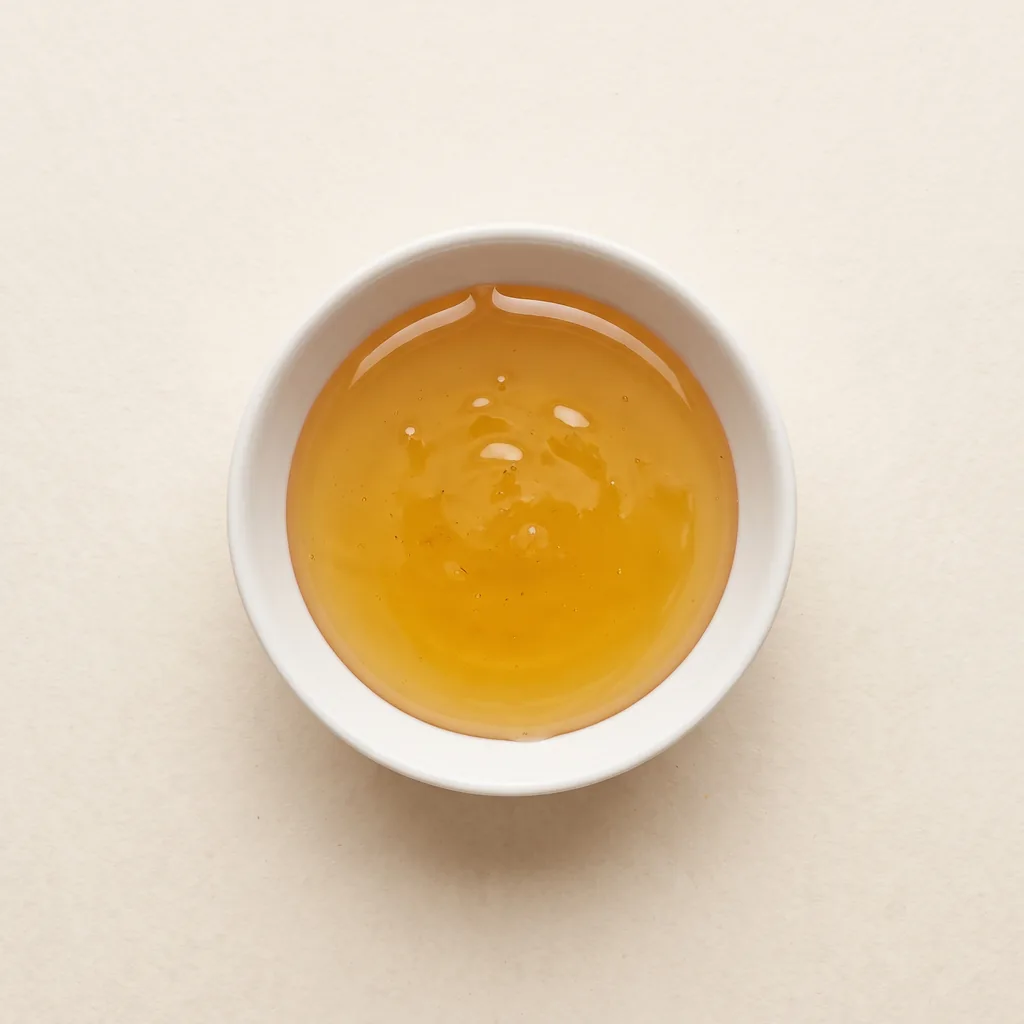
When can babies eat honey?
When to start
Honey waits until after your baby's first birthday. Honey can carry spores of the bacterium Clostridium botulinum. These spores can cause infant botulism, a rare illness that can be deadly. Toddlers can have honey safely. The highest risk sits with babies younger than a year.
If your baby tasted a food with honey, stay calm. It is most likely fine. Signs may show up between 3 and 30 days after exposure to the spores. Constipation is often the first. If your baby ever seems weak or sluggish, contact your pediatrician.
Not in any form before 12 months
Because of the risk of infant botulism, honey is not given before the first birthday. Cooking or baking does not destroy the spores.
A little background
Honey is a food that bees make from flower nectar. Bees turn nectar into honey both in the wild and in hives.
How do you prepare honey for babies?
Do not give honey between 6 and 11 months. After 12 months you can use honey in family meals, baked goods, sauces, and dressings. Give desserts and sweets made with honey in moderation. Change their shape if needed to cut the choking risk.
Ready-made foods can contain honey. Baked goods, breads, and cereals are examples. Processing methods vary, so do not give babies under 12 months store-bought foods that contain honey.
Honey for a cough
If you want to give honey for a cough to a child over 12 months, dissolve one spoon in lukewarm water or herbal tea. It may soothe the throat.
Preparation by age
The same food is served differently at each age. What matters is how your baby sits, grasps and chews, more than the calendar.
12 months
12 months · How to servemash
Do not give honey before the first birthday, because of the risk of infant botulism. Cooking or baking does not destroy the spores, so ready-made products containing honey wait until 12 months too. After 12 months you can use honey in moderation in family meals, baked goods, and sauces. For a cough, you can dissolve one spoon of honey in lukewarm water and give it.
12 months · Honeycomb (in moderation)slice
Cut: Bite sized piece
If you are sure there is no pollen or bee product allergy, you can offer a small piece of honeycomb. Cut the comb into small pieces. Do not give the next bite until your child has chewed and swallowed the last one. Honeycomb turns gummy in the mouth and can be a choking risk. Do not give large amounts or give it often.
Is honey a choking hazard for babies?
Choking risk: low
Liquid honey is not a choking risk. Watch out for candy and sticky foods made with honey. Honeycomb can turn gummy in the mouth, so cut it into small pieces.
Plain honey does not usually cause choking. Candy and similar honey treats can, though. Serve foods with honey after the first birthday and in a form that suits your child's age.
Honeycomb is waxy and can turn gummy in the mouth. Cut it into small pieces. Do not give the next bite until your child has chewed and swallowed the last one. Stay near your baby while they eat and within reach.
Is honey a common allergen?
Honey allergy is rare, but it does happen. Baked goods, desserts, and other foods made with honey often contain other common allergens too, such as wheat, egg, milk, and nuts. Introduce each common allergen one at a time before sharing prepared foods that hold several. That way you know your baby has already eaten the allergens in the dish. If a reaction does happen, it is also easier to narrow down the cause.
People often use honey at home for seasonal allergies. In one study, participants ate raw honey, store-bought honey or a placebo with honey flavor. The groups did not differ. In rare cases, honey can worsen symptoms in people with pollen or bee venom allergy, whether eaten or put on the skin.
Offer a small amount for the first few servings. If there is no reaction, raise the amount at later meals.
Honeycomb
People with pollen allergy can react to honeycomb. Beeswax, propolis, and royal jelly, which honeycomb holds in varying amounts, can cause allergic reactions from mild to severe. If you are sure there is no allergy, a small amount of honeycomb prepared for the child's age is fine after 12 months. Eating large amounts of honeycomb regularly has been linked to stomach blockage. Honey is also rich in sugar, so keep sugar intake limited.
Key nutrients
Frequently asked questions about honey
Is cooked honey safe for babies?
No. The spores behind infant botulism survive heat. Cooking or baking at home will not kill them. Ready-made foods with honey also wait until 12 months.
My baby ate something with honey. What should I do?
Stay calm. The risk of illness is very low. Infant botulism affects about 160 babies a year in the United States, and most cases do not come from honey. Stop serving that food and keep an eye out for symptoms. Possible signs include constipation, a weak cry, weak sucking, a flat face, a weak gag reflex and low muscle tone. If you are worried, see a doctor right away.
Does honey help a cough?
For children over 12 months, one spoon of honey dissolved in lukewarm water or herbal tea may soothe the throat. Do not give it to babies under 12 months.
Sources for this page
- Dünya Sağlık Örgütü. (2023). Guideline for complementary feeding of infants and young children 6-23 months of age.
- NHS. (n.d.). Preparing food safely for babies.
- CDC, Infant and Toddler Nutrition. (n.d.). Choking Hazards.
- NHS. (n.d.). Your baby's first solid foods.
- Siu K, Rehan M, Austin JW, Ramachandran Nair R, Pernica J. (2017). It’s not all about the honey. Paediatrics and Child Health. doi:10.1093/pch/pxx009
- Tanzi MG, Gabay MP. (2002). Association Between Honey Consumption and Infant Botulism. Pharmacotherapy. doi:10.1592/phco.22.16.1479.33696
- Koca I, Koca AF. (2007). Poisoning by mad honey: A brief review. Food and Chemical Toxicology. doi:10.1016/j.fct.2007.04.006
Guides on iron, allergen introduction, gagging and drinks. Read the starting solids guides
Medical note
This page is for information only and is not a substitute for medical advice, diagnosis or treatment. Talk to your pediatrician before any feeding decision, especially about allergen introduction and reactions.
The Lokmini app
Log honey, reactions and your allergen journey in the app.
Open in LokminiLokmini is coming soon to the App Store.
Astro Tasarım Simay Yenice · Türkiye · merhaba@lokmini.com